
Graduate Careers
Start your career with purpose at JBA. Each year, we welcome graduates through our annual graduate recruitment drive, offering the opportunity to work on meaningful projects, learn from industry-leading experts and build a rewarding career with purpose.

Play your part in creating a more resilient future
Our graduates work across a diverse range of multidisciplinary projects, helping clients to tackle some of today’s most complex challenges, from climate change and flood risk to environmental sustainability and community resilience.
You'll work alongside experts across engineering, data science, water management, environmental management and software development. From developing innovative technologies and advanced modelling tools to designing infrastructure, delivering environmental solutions and analysing complex datasets, you'll have the opportunity to apply your skills to real-world challenges and help shape solutions that make a meaningful difference to people, communities and the environment.
With opportunities to collaborate and rotate between teams, you’ll gain experience across the breadth of JBA’s work while building a career focused on creating a more resilient future.
What can you expect?
Our graduates are valued members of our team from day one, with the same benefits, support and opportunities as all colleagues, plus additional opportunities designed to support your development. From a competitive salary to rotation opportunities, agile working and dedicated support throughout the Graduate Scheme, you'll be empowered to build the skills, experience and confidence needed to shape a successful future.
-
Minimum entry requirements

To apply to our Graduate Scheme, as a minimum, by the time you join us you will need:
- An awarded bachelor’s degree relevant to the pathway you are applying for. This may include engineering, environmental sciences, geography, mathematics, computer science, data science or other related subjects.
- One or more A Levels (or equivalent qualifications) in a STEM subject.
- The right to work in the UK by the first day of employment.
-
Desirable experience
It will be advantageous to your application if you have, and/or can evidence:
- A postgraduate qualification (such as a master’s degree or PGCert) in a discipline relevant to your area of intended expertise (in addition to or instead of a bachelor’s degree).
- Relevant work experience (e.g., gained through an internship, year-in-industry placement, or voluntary roles).
- Strong problem solving and analytical skills.
- Effective written and verbal communication skills.
- The ability to work independently or as a team member.
- The ability to reflect on and check your work to make sure outputs meet specified requirements or quality criteria.
- Confidence and willingness to work outdoors or in remote environments if the nature of your role requires it.
Find the right graduate pathway for you
At JBA, graduates join one of several specialist pathways, each offering different opportunities to develop technical skills, contribute to meaningful projects and build a rewarding career.
The pathways below are intended as a guide. We welcome applicants from a range of relevant undergraduate and postgraduate degree backgrounds, including BSc, BA, MSc, MEng and PhD qualifications.
When choosing a pathway, think first about the type of work you would like to do, rather than solely focusing on your degree title. Many degree subjects can lead to more than one pathway, so it is important to consider the projects and activities that interest you most.
Ask yourself:
- Am I most interested in flooding, rivers, coasts, hydrology, modelling and climate resilience?
- Do I want to design, assess and manage engineering assets and infrastructure?
- Do I want to specialise in environmental assessment, landscape, hydrogeology, permitting and compliance?
- Do I enjoy using data, statistics and machine learning to solve complex problems?
- Do I want to build software, digital products and technology solutions?
The answers to these questions are often a better guide than your degree title alone.
Top tip: Choose the pathway that best matches the work you want to do and the skills you want to develop. The most common mistake applicants make is choosing a pathway based solely on their degree subject. For example, graduates in Geography or Environmental Science may be suited to our Water Management and Geoscience pathway, depending on the type of work that interests them.
Water Management and Geoscience
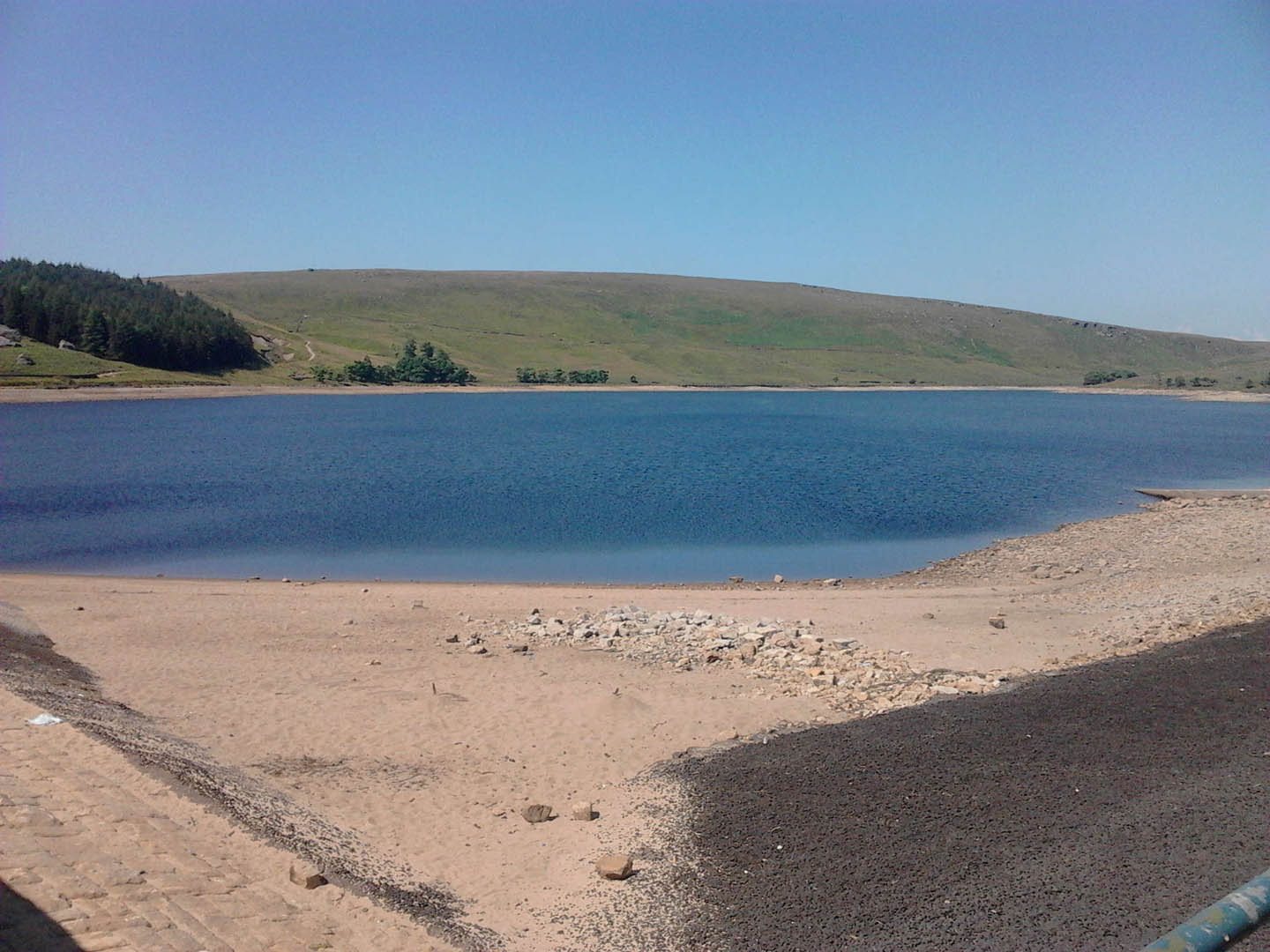
Are you interested in flooding, rivers, coasts, hydrology, hydraulic and coastal modelling, catchment management and water resources and want to understand and manage the movement of water through natural and built environments? This pathway offers the opportunity to tackle some of society's most pressing water and climate resilience challenges. Working across multidisciplinary projects, you'll help communities adapt to climate change by generating evidence, informing policy, guiding investment decisions, and improving the way water is managed and governed.
- Your degree might be in Geography, Environmental Science, Hydrology, Physical Geography, Water Resources, Geology, Climate Change, Adaptation and Policy, Environmental Engineering, or related disciplines.
- You’re interested in these kinds of projects: Hydrological, hydraulic and coastal modelling, catchment management studies, natural flood management projects, flood warning and forecasting, water resources assessments, climate resilience planning, Strategic Flood Risk Assessments (SFRAs), Flood Risk Assessments (FRAs), Property Flood Resilience (PFR) studies, shoreline management and coastal flood risk projects.
Click here for more information on this pathway and how to apply.
Engineering
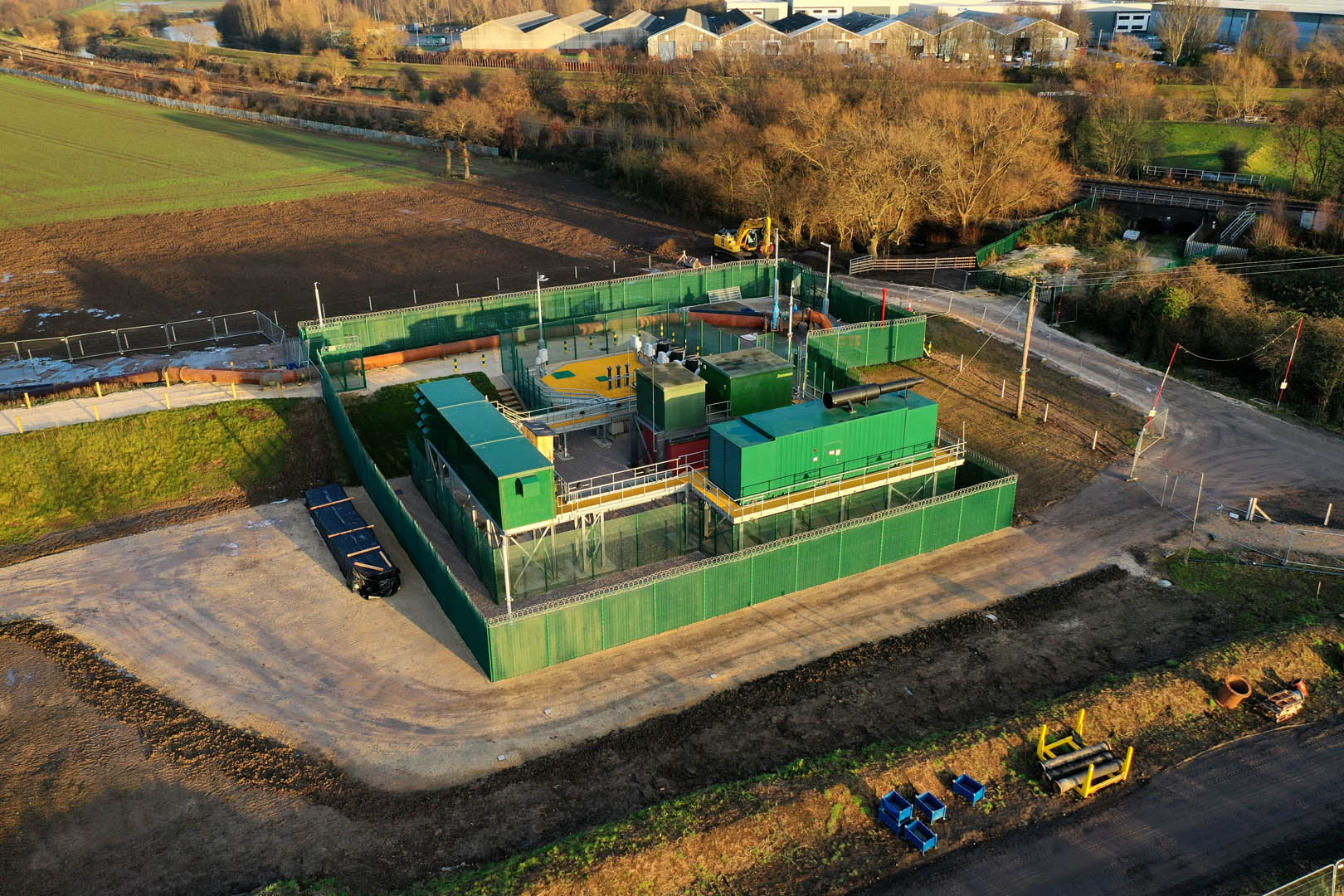
If you're interested in civil, structural, mechanical, fluvial or coastal engineering, this pathway will give you the opportunity to help communities reduce flood and coastal risks and improve the resilience of infrastructure. You'll contribute to the design, assessment and management of engineering solutions from understanding how assets perform and are maintained to delivering infrastructure and flood and coastal risk management projects. Working across a diverse range of sectors and disciplines, you'll help create practical solutions that make a real difference to people, places and the environment.
- Your degree might be in Civil Engineering, Structural Engineering, Mechanical Engineering, Electrical Engineering, Coastal Engineering, Environmental Engineering and other related engineering disciplines.
- You’re interested in these kinds of projects: Flood alleviation schemes, coastal defence projects, river engineering, flood storage reservoirs, pumping stations, structural design, asset inspections, condition assessments, asset management planning, detailed design, construction support, infrastructure resilience projects and infrastructure design for regulated water sector and rail engineering.
Click here for more information on this pathway and how to apply.
Environmental Management and Sustainability
Whether your interests lie in environmental impact assessment (EIA), landscape and visual assessment, hydrogeology, environmental planning, permitting, compliance or environmental management, this pathway offers the opportunity to help clients deliver sustainable development while meeting environmental requirements. Working alongside leading specialists, you'll assess environmental impacts, manage risks and contribute to projects that balance environmental, social and economic considerations across a diverse range of sectors.
- Your degree might be in Environmental Science, Environmental Management, Geography, Earth Sciences, Geology, Hydrogeology, Landscape Architecture, Environmental Planning, or related disciplines.
- You’re interested in these kinds of projects: Environmental Impact Assessments (EIAs), Landscape and Visual Impact Assessments (LVIAs), hydrogeological studies, environmental permitting, environmental management plans, environmental compliance monitoring, planning and consent support, stakeholder engagement, due diligence and sustainable development projects.
Click here for more information on this pathway and how to apply.
Technology, Software and Systems Development
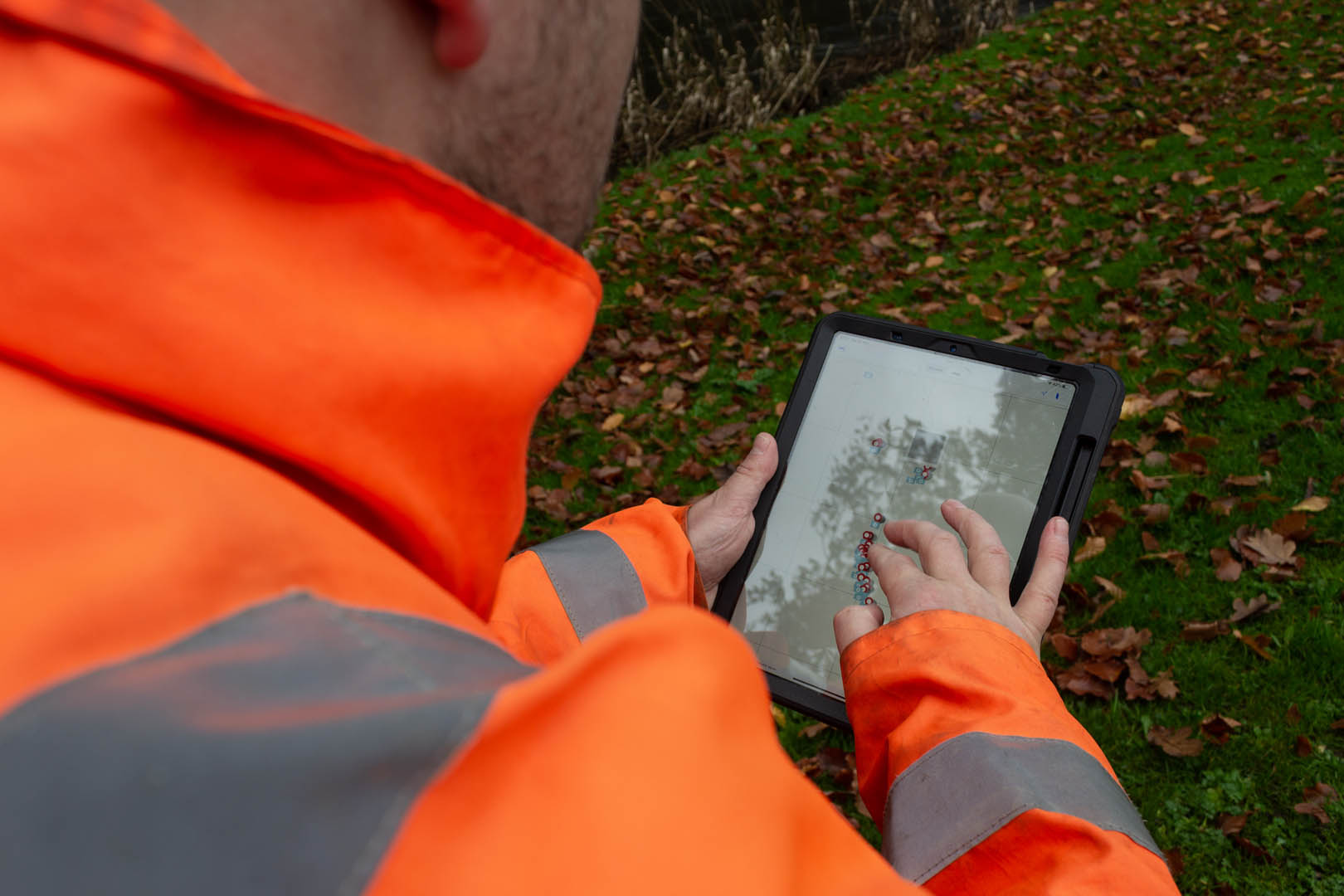
Are you interested in software engineering, application development, systems design, cloud technologies, digital products or user-focused solutions? This pathway offers the opportunity to contribute to creating impactful technology that supports our clients' resilience and sustainability goals.
- Your degree might be in Computer Science, Software Engineering, Information Technology, Data Science, Mathematics, Physics, or related disciplines.
- You’re interested in these kinds of projects: Developing web applications and user interfaces, designing and building IT infrastructure and cloud-hosted solutions, creating mobile applications, developing bespoke software solutions, data management systems, GIS-enabled applications, digital products and automation tools and technology platforms that support flood, water and environmental resilience.
Click here for more information on this pathway and how to apply.
Data Science and Informatics
Perhaps you'd like to explore complex data analysis, statistics, mathematics, computing and problem-solving? On this pathway, we offer opportunities to work on a diverse range of projects, analysing large datasets, developing models, applying AI techniques and generating insights that help improve flood resilience, respond to climate change and manage environmental risk.
- Your degree might be in: Data Science, Mathematics, Statistics, Computer Science, Physics, Operational Research, or other highly quantitative disciplines
- You’re interested in these kinds of projects: Machine learning and AI applications, predictive modelling, statistical analysis, climate and flood risk research, data visualisation, image analysis, digital terrain model (DTM) analysis, rainfall and hydrological analytics, decision-support tools and environmental data science projects using languages such as Python and R.
Click here for more information on this pathway and how to apply.

Still not sure? That's ok
Often, many degree subjects can lead to more than one pathway, and that's completely normal.
If you’re still unsure which pathway best matches your interests and experience, contact our recruitment team before submitting your application. We’re here to help you identify the pathway that’s right for you.