Water Management and Geoscience
JBA Graduate Scheme Pathways

Water Management and Geoscience

Want to apply your skills to some of the biggest water, flood risk and climate resilience challenges facing society today?

If you're passionate about flooding, rivers, coasts, hydrology, hydraulic and coastal modelling, catchment management and water resources, this pathway offers the chance to make a real difference. You'll work on some of the most critical water and climate resilience challenges facing communities now and in the future.

Working on multidisciplinary projects, you'll help communities adapt to a changing climate by generating evidence, shaping policy, influencing investment decisions, and improving how water is managed and governed. Collaborating with regulators, local authorities and local communities, you'll contribute to projects that protect people and places from flooding, improve water quality, and secure sustainable water supplies. From modelling risks in surface and subsurface environments to developing practical, long-term solutions, you'll build specialist expertise and a rewarding career with genuine purpose.

Is this the right pathway for you?

Your degree might be in...

  • Geography
  • Environmental Science
  • Hydrology
  • Physical Geography
  • Water Resources
  • Geology
  • Climate Change
  • Adaptation and Policy
  • Environmental Engineering
  • Other related disciplines. 

You're interested in...

  • Hydrological, hydraulic and coastal modelling
  • Catchment management studies
  • Natural flood management projects
  • Flood warning and forecasting
  • Water resources assessments
  • Climate resilience planning
  • Strategic Flood Risk Assessments (SFRAs)
  • Flood Risk Assessments (FRAs)
  • Property Flood Resilience (PFR) studies
  • Shoreline management
  • Coastal flood risk projects.

Our Water Management and Geoscience Graduate Pathway provides exposure to a range of specialisms. Explore the areas you could work in, including Modelling and Assessment and Water Management and Resilience.

Discover how our recent graduates are contributing to innovative water, flood risk and climate resilience projects:
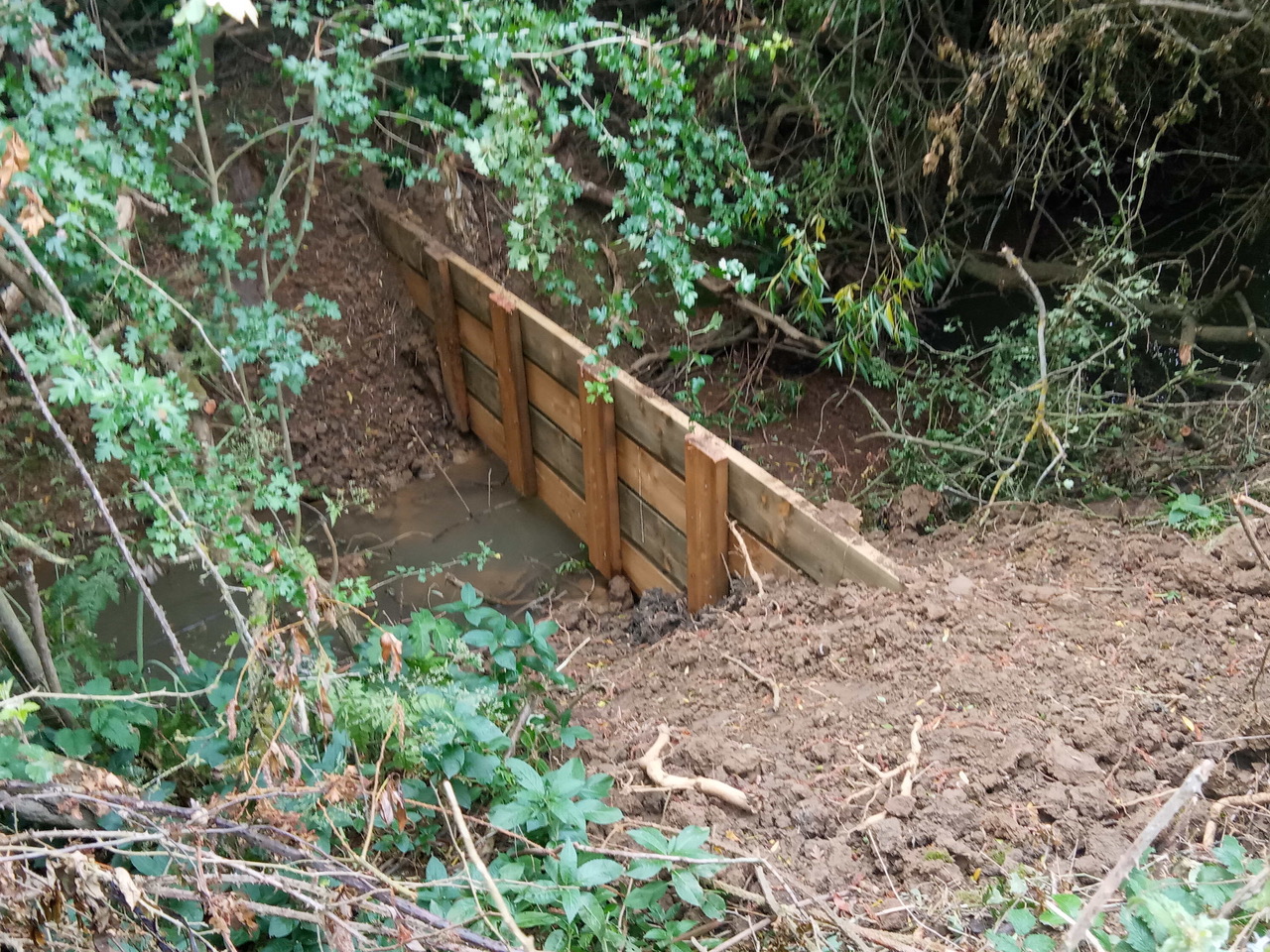
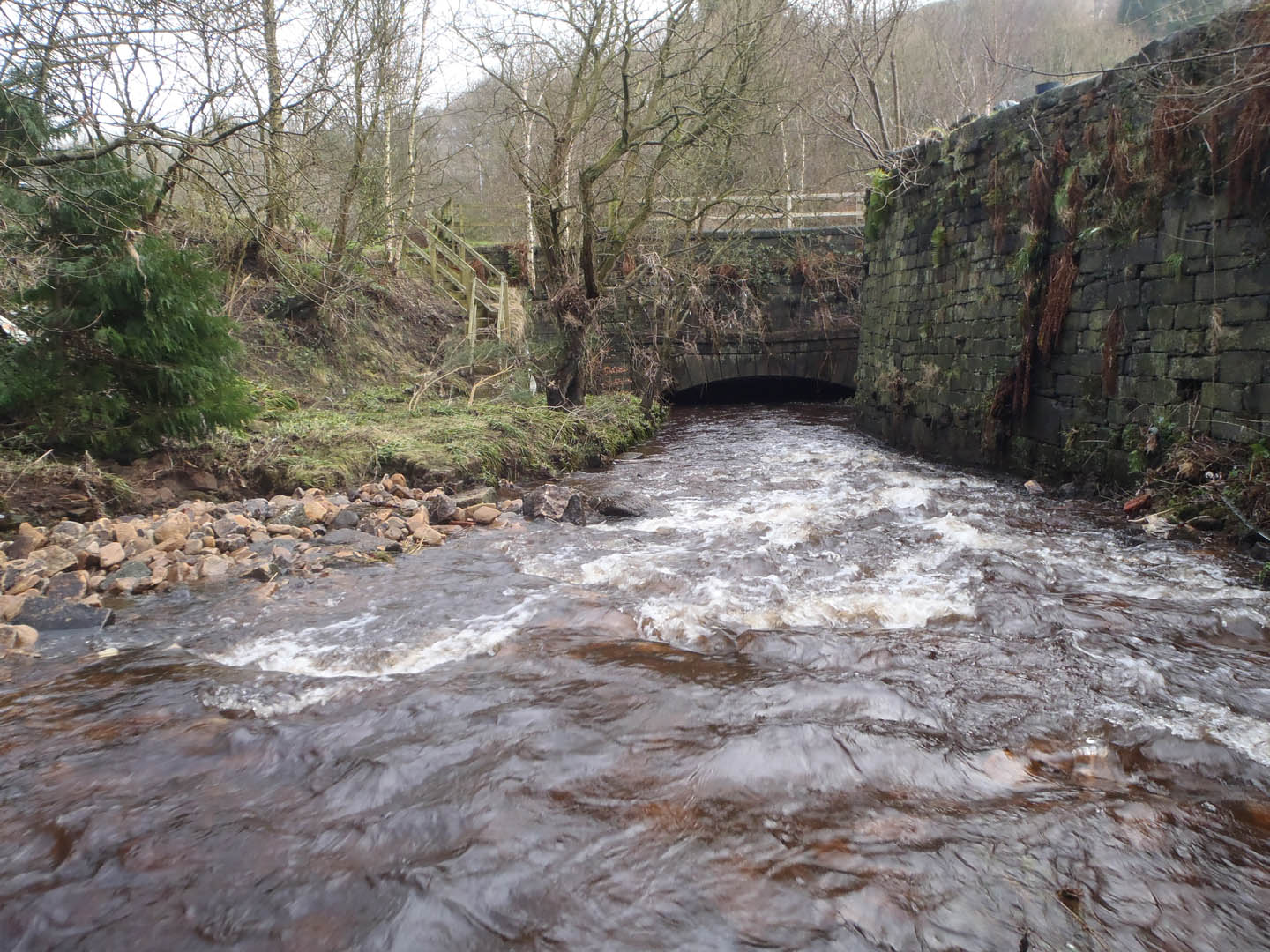
Leaky barrier hydraulic unit

“This research combined drone photogrammetry and channel LiDAR with 2D hydraulic modelling (HEC‑RAS) to translate measurements of woody ‘leaky’ barriers into debris‑accumulation factors, Manning’s uplift estimates and head‑loss relationships. We used field surveying images to extract barrier parameters, ran baseline and sensitivity modelling across the catchment in HEC-RAS, and turned results into practical flood‑risk management recommendations. This work was funded through JBA Labs and focused on improving the representation of leaky barriers in catchment-scale models. Through the project, I developed my skills in GIS, remote sensing and hydrodynamic modelling, and presented the findings at the European Geosciences Conference in 2025.” 

Hannah Champion, Flood Risk Analyst

Leaky barrier hydraulic unit

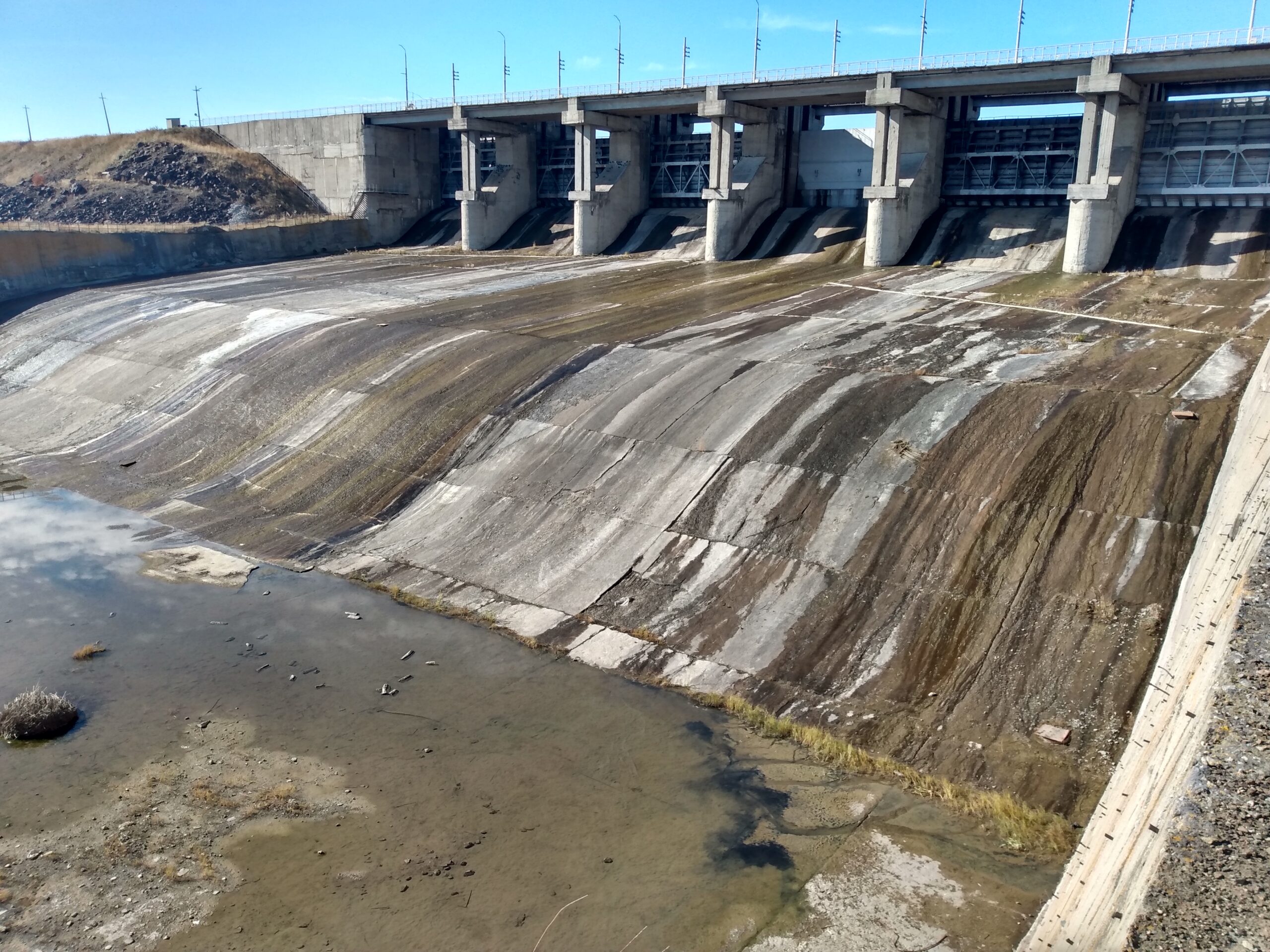
Dam safety and flood resilience in Kazakhstan

“The flood study of the Verkhnetobolskoye (Upper Tobol) and Karatomar Dams was part of a multi-functional assessment of dam safety for the pair of large dams on the River Tobol in northern Kazakhstan. The objective of the project was to assess the flood and safety management performance of the dams, where over 400,000 residents are vulnerable to potential failures. My contribution to this project included investigating the drivers of peak inflows to the dams through statistical analysis of meteorological and hydrological variables, and developing, calibrating and validating the hydrologic model. Through this work, I developed skills in statistical analysis and rainfall-runoff modelling and broadened my understanding of hydrology, working in a snowmelt-dominated catchment.” 

Cara Fogarty, Flood Risk Analyst

Dam safety and flood resilience in Kazakhstan

JPEstimator comparison and extreme threshold study

“Through JBA Labs projects, I have worked closely with Lancaster University to help develop our joint probability methodology for the simulation of multivariate extreme coastal storm events. Being involved at all stages, from research and planning through to implementation, has allowed me to contribute meaningfully to national-scale projects with real-world applications. The opportunities provided by JBA Labs have allowed me to build upon my undergraduate and master’s degrees to build specialism within the extreme event analysis field early in my career.”

Lewis Brazell, Coastal Modeller

JPEstimator comparison and extreme threshold study

Updating TP-Lag method in ReFH2

“Estimating peak river flows can be improved by using local river flow data, but many existing methods rely on indirect assumptions. This study examined assumptions used within the TP-Lag method, which is often applied in hydrology. I undertook data processing and statistical analysis to develop and test a new model that provides a more direct link between observed river flows and the parameters used in hydrological models. The new model now forms part of the national hydrology guidance, allowing me to develop my technical and analytical skills while contributing to innovation and improvements in hydrological practice.”

Katie Russell, Hydrologist

Updating TP-Lag method in ReFH2

HEC-RAS efficiency matrix

“Funded by JBA Labs, the HEC-RAS Efficiency Matrix was an innovative project promoting programme, cost, and carbon efficiency in hydraulic modelling, directly supporting JBA’s climate resilience and Net Zero goals. The project involved extensive testing of modelling software, hardware, and network configurations to identify smarter, more efficient ways of performing HEC-RAS model simulations. Not only did this project allow me to pursue my interests in improving efficiency and sustainability and apply them company-wide, but it also gave me valuable insights into managing and modelling HEC-RAS projects going forward.”

Rebecca Lee, Flood Risk Modeller

HEC-RAS efficiency matrix

Applications to join this pathway are now open! Click here to apply
Link arrow Read more

Cross to close search
Click To:

Analytics

We use analytics cookies to anonymously track your user journey and interactions with our website. This information is used to help us understand the user experience and to work towards improving the website and the content we publish.

Marketing

We sometimes make use of third party tracking code to help us determine the succes of any marketing campaigns we might run. This can also be used to ensure you are given content relevant to your interests.

Get in touch…

We'd love to hear from you. Just fill out the form below and a member of our team will be in touch as soon as possible.

Do you have a question or message for |NAME|? Just complete the form below with your information and we'll get back to you as soon as possible.