Graduate Scheme
Why choose the JBA Water Management and Geoscience graduate pathway?
Join our specialist teams in developing leading resilience strategies and solutions founded on modelling and assessment of water and environmental processes.
Water touches almost everything in our lives, from the food we eat, the energy we use and even the emails and social media messages we send. In our pursuit for resilience to climate change at JBA, we think about water in an ‘Integrated way’, so if you have a passion for tackling challenging issues that make a difference for everyone, the JBA Water Management and Geoscience graduate pathway is for you.
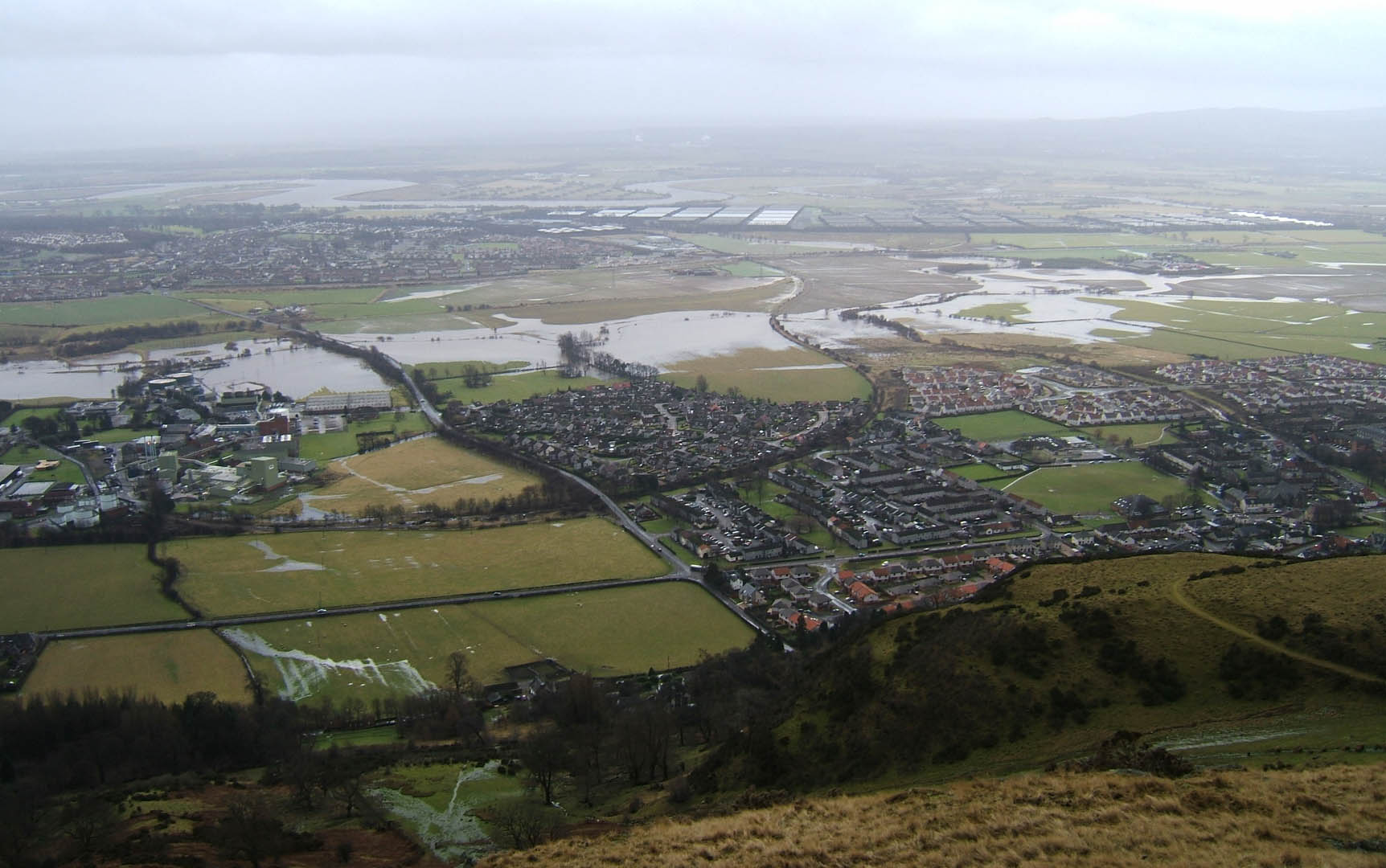
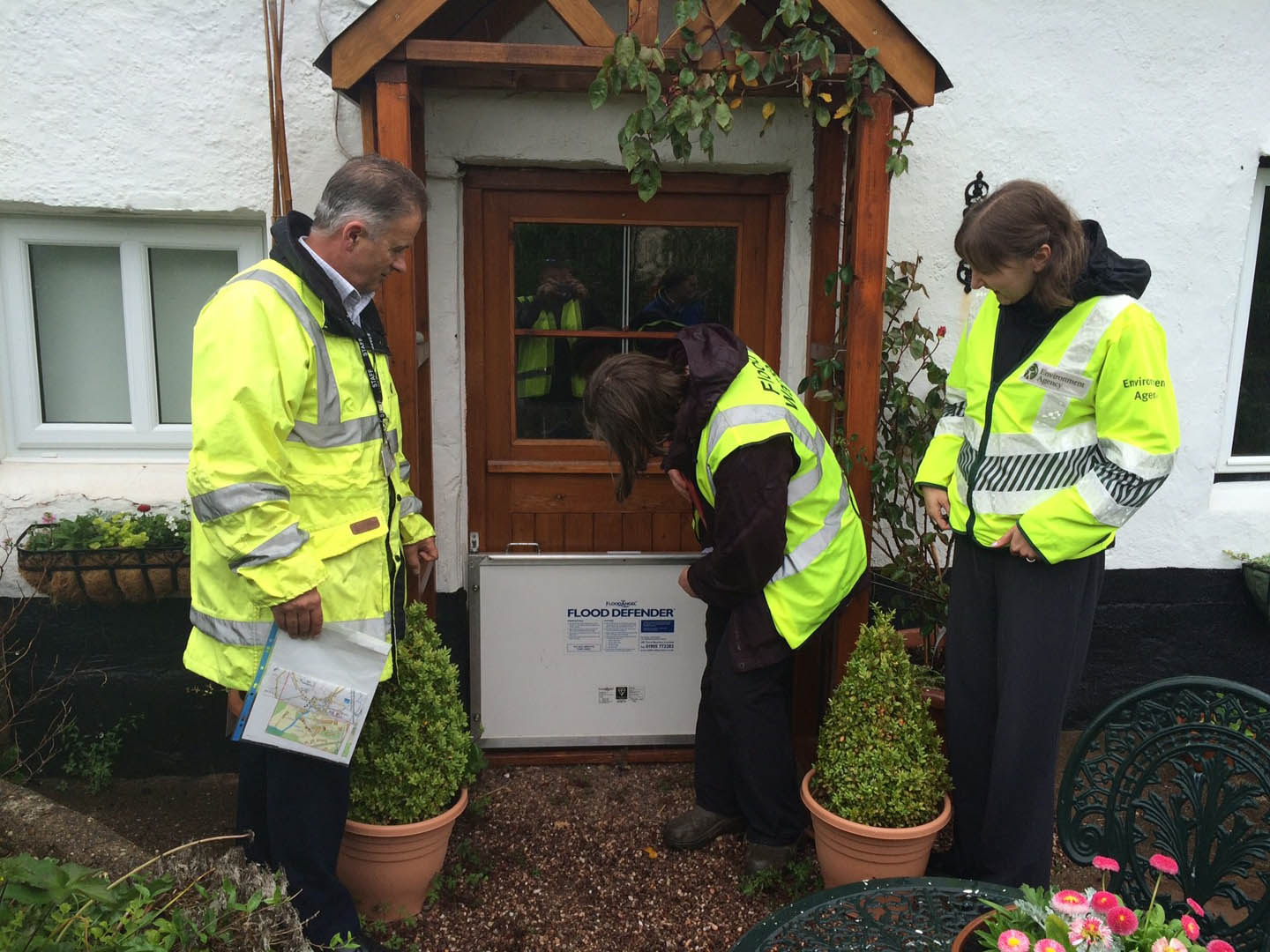
Our work sees us manage and model risks in both surface and subsurface environments, work with regulators, local authorities and with communities directly to build resilience on a varied range of flood protection, water quality and water supply projects. Discover the role you'll play in supporting this below.
On this pathway, you could:
- Contribute to Flood and Coastal Resilience Innovation Programmes, working collaboratively across our disciplines to deliver innovative solutions to improve community resilience in the face of climate change.
- Model and assess how existing water infrastructure, such as reservoirs and canals, can be optimised to reduce flood risk, improve water resources and generate more hydropower whilst at the same time meeting the environmental needs of the river.
- Join us as an Energy Graduate and have the opportunity to work across a wide range of areas, from existing and well-established sectors through to emerging new technologies. As well as supporting our clients to explore technical, policy and funding opportunities whilst helping to shape a sustainable energy future for us all.
- Join our Water Resources, Water and Wastewater Management graduates in contributing to projects that secure resilient water supplies across a range of sectors and uses, improving wastewater management, and helping to enhance the health of rivers, wetlands, and ecosystems.
- Help embed 3D hydraulic modelling techniques to inform next-generation flood alleviation schemes.
- Model the environmental impacts of groundwater augmentation schemes
- Contribute to schemes reducing discharges from sewer overflows to rivers and the sea, and to mitigating the harm that spills can create.
Our Water Management and Geoscience Graduate Pathway provides exposure to a range of specialisms. Explore the areas you could work in, including Modelling & Assessment and Water Management and Resilience.
You could join our graduates and deliver innovative projects such as...