From flood risk to opportunity:
Delivering resilient urban places
Managing surface water in towns and cities is both a challenge and an opportunity for urban regeneration. With increasing flood risk, pressure on sewer networks and rising temperatures, integrating blue‑green infrastructure is now central to creating climate-resilient, liveable environments.

A growing urban water challenge
The National Flood Risk Assessment was a significant wake-up call, highlighting the high risk of surface water flooding in existing urban areas. Surface water increases pressure on sewer networks, contributing to overflows and transporting highway pollution into our watercourses. Climate change will further intensify these impacts.
Distributed solutions with multiple benefits
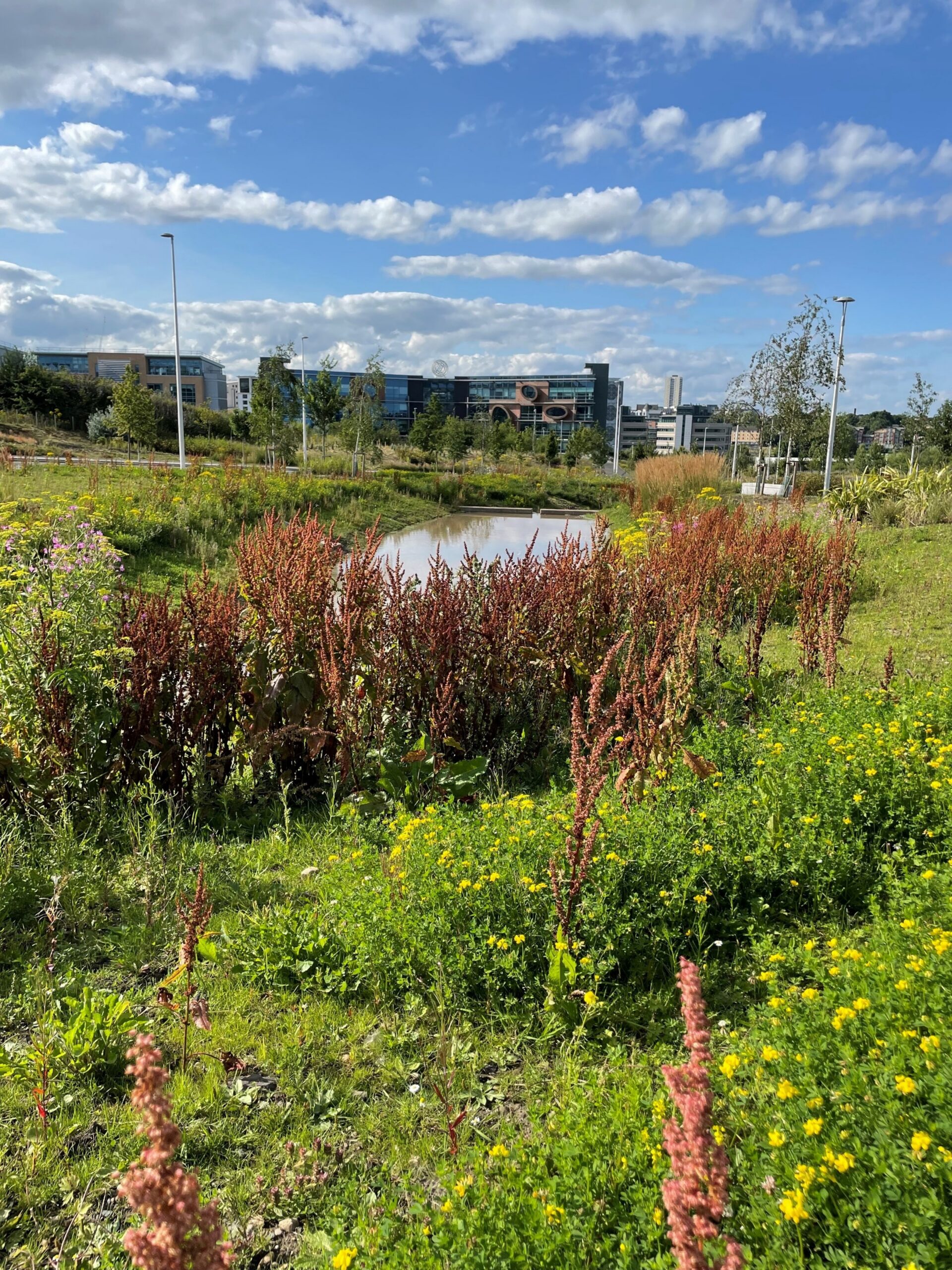
While the challenge is substantial, it is an opportunity to take an integrated, nature-based approach to managing rainwater. Distributed interventions can be designed to slow flows and store water from impermeable areas, such as highway raingardens, green roofs, water butts and wetlands in parks. Embedding these approaches early in regeneration and green infrastructure planning can unlock cost efficiencies by treating rainwater as a resource, reducing irrigation demand and avoiding downstream infrastructure upgrades. Beyond flood risk management, well‑designed blue‑green infrastructure delivers wider placemaking benefits, supporting healthier communities, improved air quality, enhanced biodiversity, urban cooling and carbon storage.

Policy momentum and funding alignment
This approach is increasingly backed by policy support and funding. Reforms to Defra’s flood risk funding are supporting greater investment in sustainable drainage, while AMP8 requirements strengthen expectations on water companies to deliver nature‑based solutions. This direction of travel is reinforced by the Independent Water Commission review and the Environmental Audit Committee’s flood resilience review.
Blue‑green infrastructure can align strongly with funding for sustainable transport programmes, healthy streets initiatives, climate resilience funding, nature recovery ambitions and emerging green finance - helping to build investable, multi‑benefit projects.
Evidence‑led decision making
By quantifying benefits across flood risk, sewer capacity, natural capital and social value, we help our clients identify where interventions can deliver maximum impact and attract partnership funding, evidencing catchment‑scale strategies and robust business cases.
Through Defra’s £150m Flood and Coastal Innovation Programmes, we have supported local authorities in bringing forward innovative urban nature-based solutions. Our Flood and Coast Excellence Award short-listed SuDS opportunity and benefit mapping is being used to identify investment projects in Flood Ready London’s priority catchments.
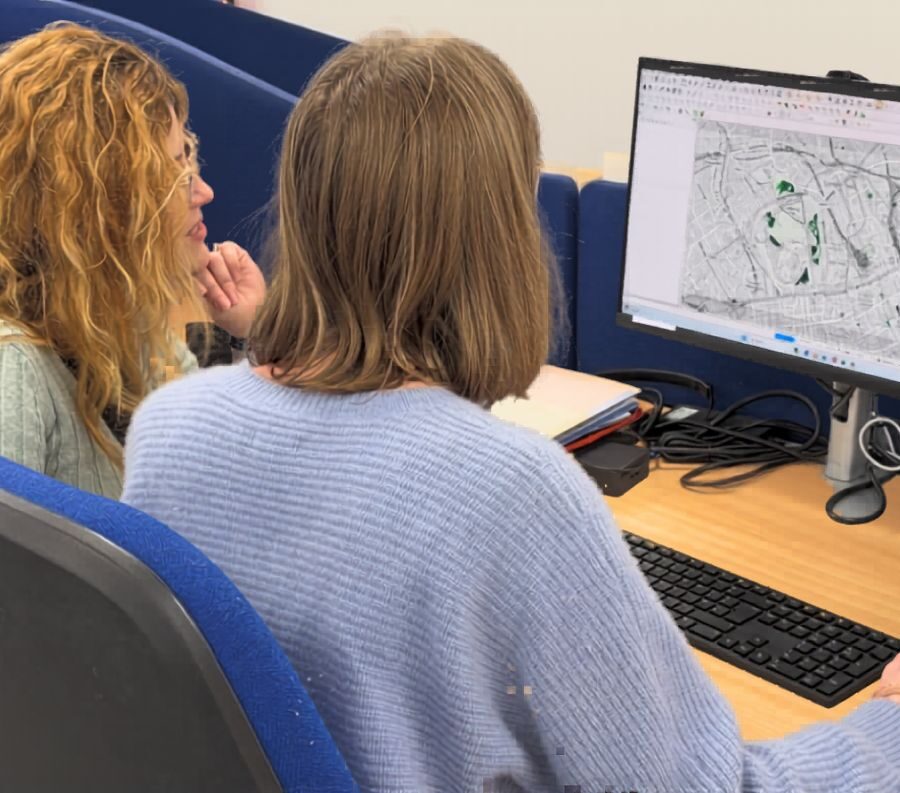


Contact Anna Beasley directly if you would like to book a one-to-one session. Connect with her here or through LinkedIn. Coming to UKREiiF? See our team attending, the full programme of events, and where to find us on our event webpage.
From concept to delivery
Our multi‑disciplinary teams combine modelling and design, technical insight, and creativity to integrate water sensitively into urban landscapes and unlock constraints. We respond to local context and maximise nature and social value through meaningful engagement and co-design.
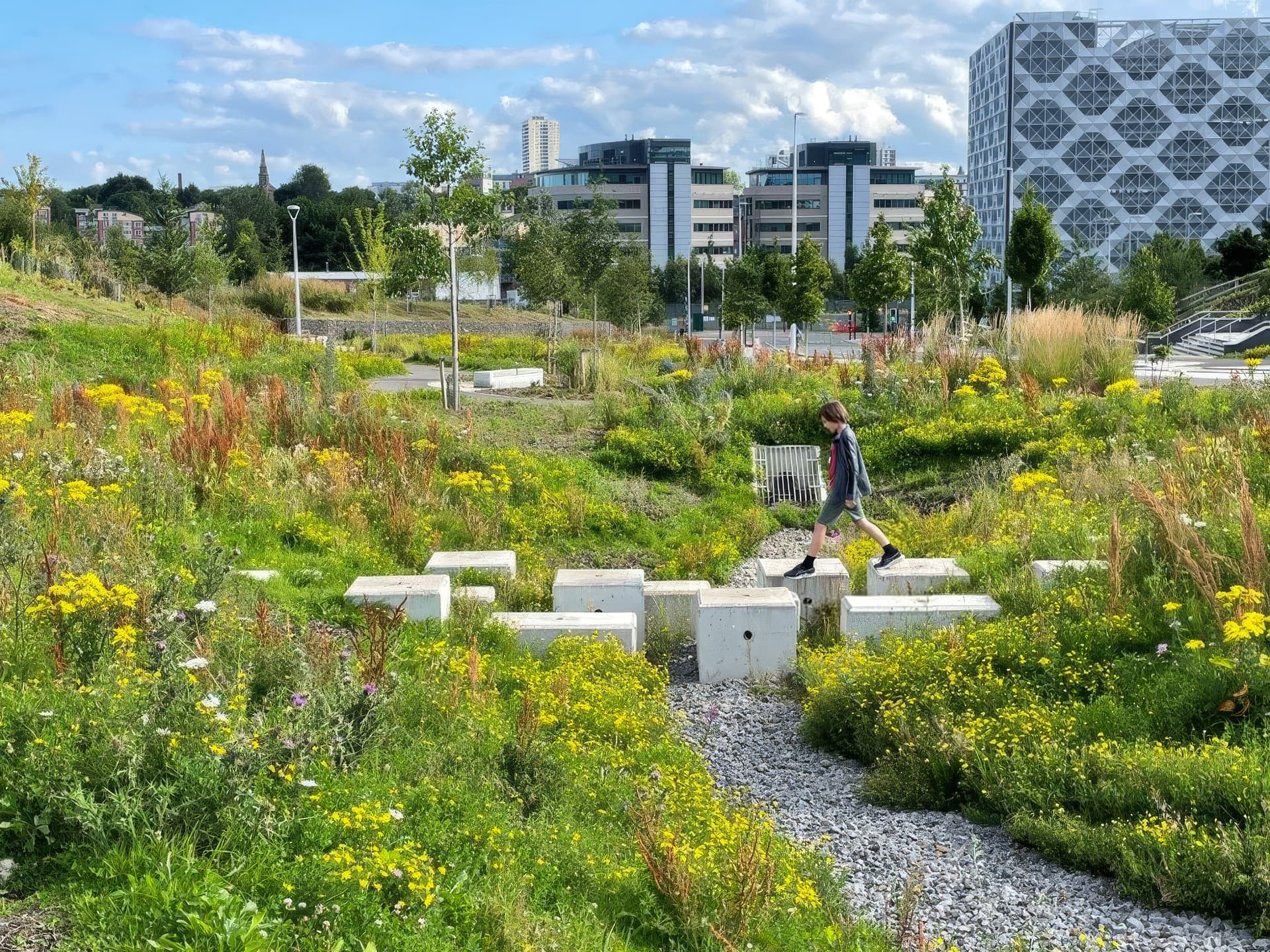
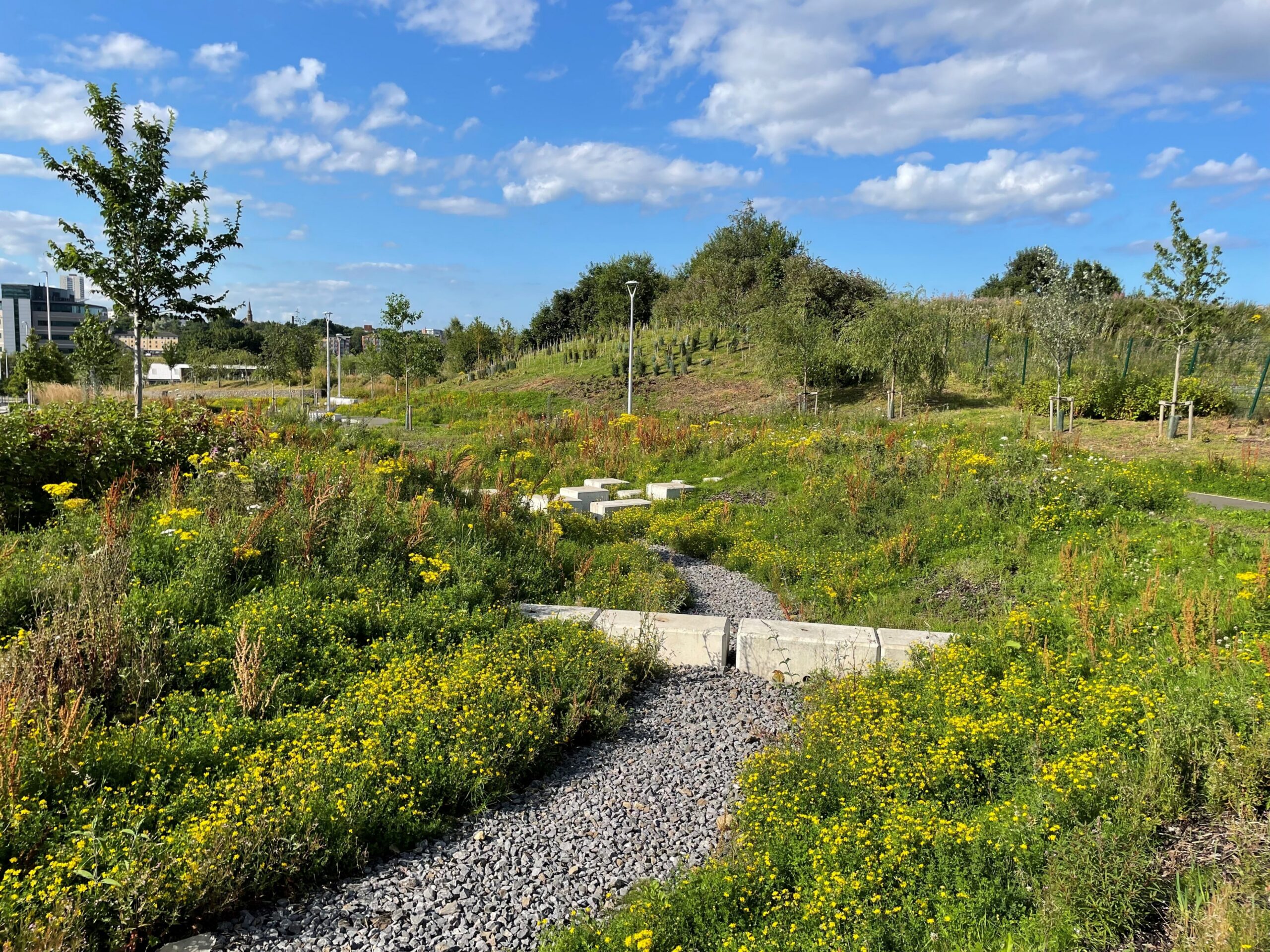
This integrated approach has been demonstrated through regeneration projects such as the Baltic Quarter Corridor in Gateshead, highly commended at the Susdrain SuDS Awards 2024. This project transformed a complex brownfield site into a high-quality blue‑green corridor that manages surface water through innovative SuDS features, provides a new conveyance route to the River Tyne, and creates a distinctive public space that reflects the area’s industrial heritage while enabling future development.
Join the conversation at UKREiiF
We will be at UKREiiF, engaging with local authorities, developers and investors on how blue‑green infrastructure can support resilient growth and unlock funding.
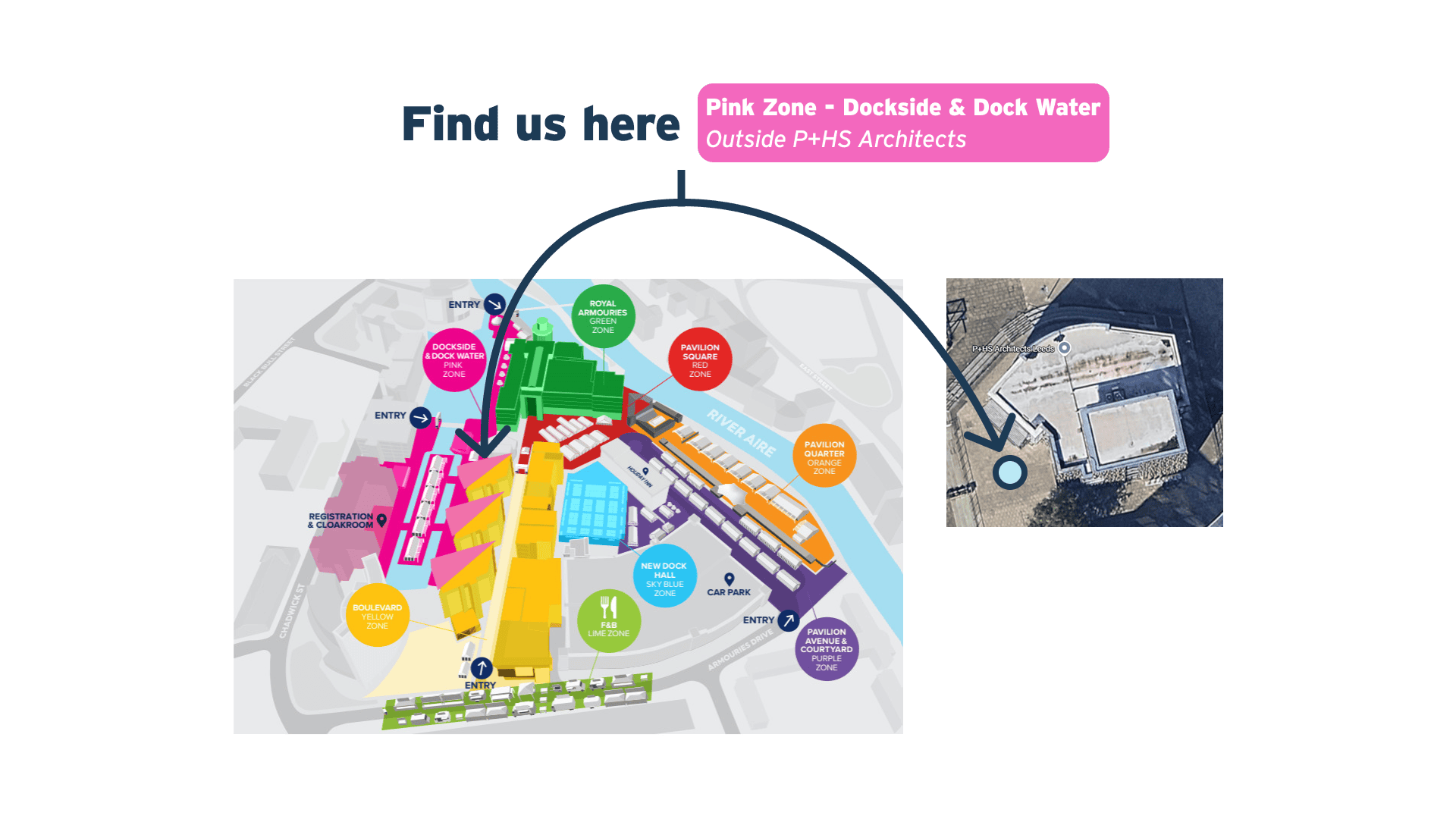
If you’re attending, we’d welcome the opportunity to discuss how integrating water and nature can add long‑term value to urban places.