Flood risk, planning and the cost of delay: Time to shift the conversation
Flood risk has become one of the defining pressures on the UK planning system. With climate change intensifying extremes and policy rightly tightening around resilience, effectively and collaboratively managing flood risk is central to whether development happens at all. Read on to find out more.

Flood risk will continue to shape planning outcomes for decades to come. Yet the way flood risk is navigated through planning is increasingly characterised by delay, duplication, and entrenched positions. The question is no longer whether flood risk should shape development, but how the system can respond more effectively, fairly, and collaboratively.
UKREiiF 2026, the UK's Real Estate Investment and Infrastructure Forum, provides an opportunity to reset the conversation by bringing together professionals from national and local government, investors, developers, end-users and the wider built environment industry to drive investment, regeneration and unlock development.
A collaborative approach to unlocking development
The relationship between statutory consultees and applicants is, by design, unbalanced and combative. Statutory consultees exist to protect the public interest; applicants seek to unlock development.
In a system already constrained by time and resources, a lack of early alignment increases the risk for everyone involved. A more collaborative approach earlier in the process could significantly reduce friction: clarifying expectations, assumptions and acceptable levels of risk from the outset.
Such an approach would increase the quality of assessment, reduce costs for both sides arising from an adversarial system, and speed up decision-making to the nation’s economic advantage.


Avoidance vs adaptation
In many parts of the UK, particularly urban centres, growth corridors and brownfield/redevelopment sites, it is not always practical to steer development away from floodplains and residual flood-risk areas. This is not advocacy for development in floodplains, but rather an appreciation that sometimes the most sustainable sites for development must overcome flood-risk constraints.
Managing flood risk rather than avoiding it outright can unlock regeneration, improve flood defences, and deliver wider community benefits. Properly applied, this approach benefits both applicants and existing communities - turning development from a perceived risk into a vehicle for climate adaptation and growth. The challenge lies in the consistency of interpretation.
Standstill situations frequently emerge where policy and guidance are interpreted in a one‑sided or overly cautious way. Without mechanisms to test or challenge those interpretations constructively, discussions stall.
The JBA approach
- Pre‑application meetings – remain one of the most effective tools available. Requiring upfront investment, these often pay for themselves by reducing later redesign, resubmission, and dispute.
- Rigorous technical assessment – The easiest pathway to conflict and rejection is to either not do your homework or make light of the importance and complexity of flood risk. The science, technology and technical requirements have never been more complex, which is why JBA remain dedicated to leading in these areas.
- Challenging interpretations carefully –Testing assumptions and policy interpretations is essential, but it must be done constructively and with evidence.
- Legal input as a last resort – Engaging planning barristers can be effective where technical disagreement masks policy misapplication – but only once technical and procedural avenues are genuinely exhausted. Used too early, legal escalation can slow the progress even further.
Speak to us at UKREiiF
The JBA pavilion will be running sessions on Tuesday and Wednesday, where anyone can drop by and seek free guidance on the latest flood mapping products (e.g. NAFRA2, Evidence Review Requests), the latest flood risk policies in both England and Wales, and how to avoid delays before the grant of planning permission.
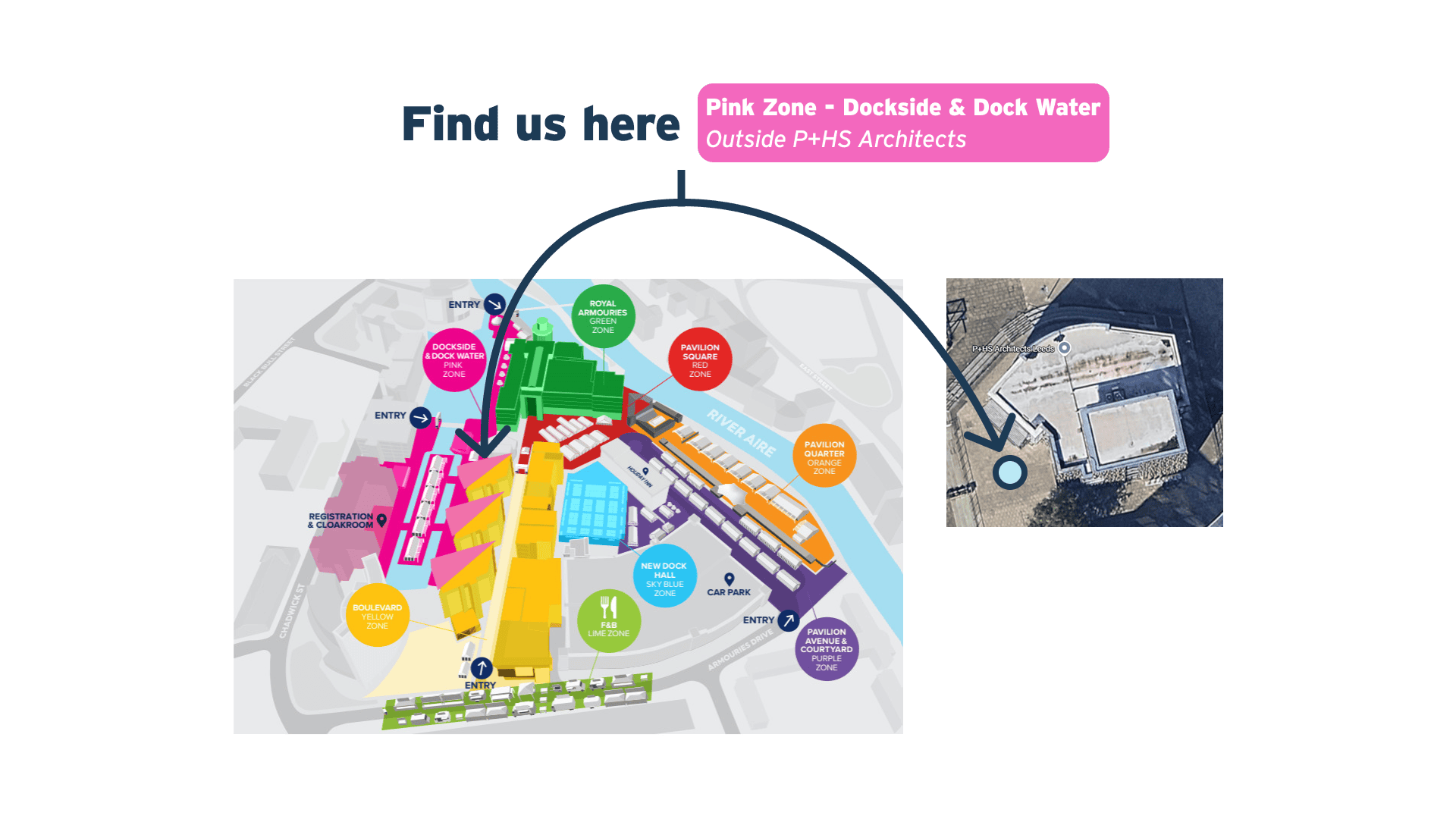

Contact Olivier Saillofest directly if you would like to book a one-to-one session. Connect with him here or through LinkedIn.
To see our team attending, the full programme of events, and where to find us at UKREiiF, visit our event webpage.