Routine ecological survey leads to remarkable bryophyte discoveries in Derbyshire
What began as a routine ecological survey of Combs Reservoir SSSI in Derbyshire by JBA Ecologist Sky Wallis led to a series of remarkable bryophyte identifications and the discovery of a species new to Britain. Read on for the full story.

A rare find in an unlikely location
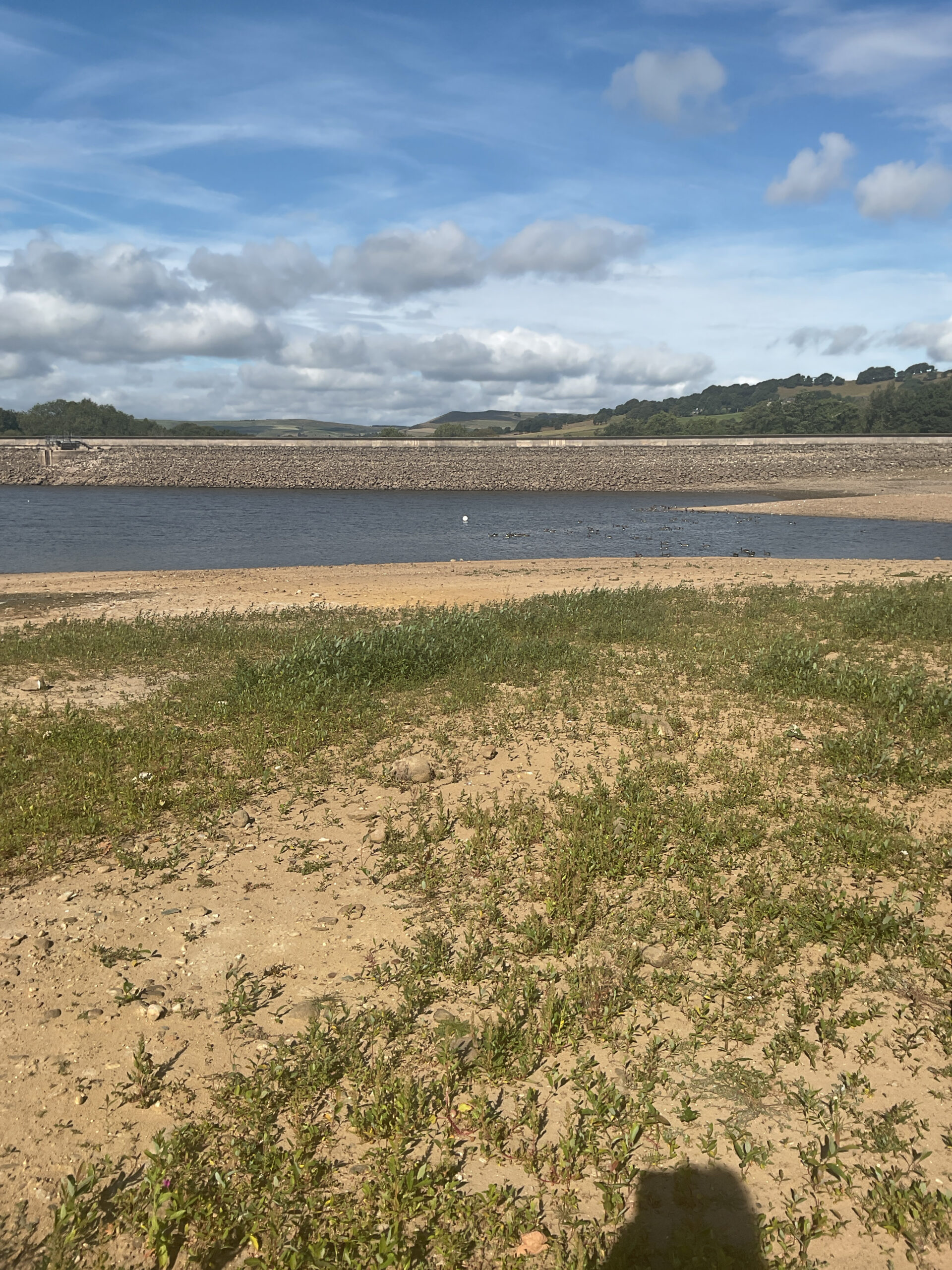
In 2025, JBA Ecologist Sky Wallis carried out a walkover survey ahead of planned MIOS (Measures in the Interests of Safety) works at Combs Reservoir SSSI in Derbyshire. Sky collected bryophyte samples in the drawdown zone near the reservoir wall, an area not expected to support many notable species, with most botanical interest typically concentrated around the reservoir’s shallower inflow areas.
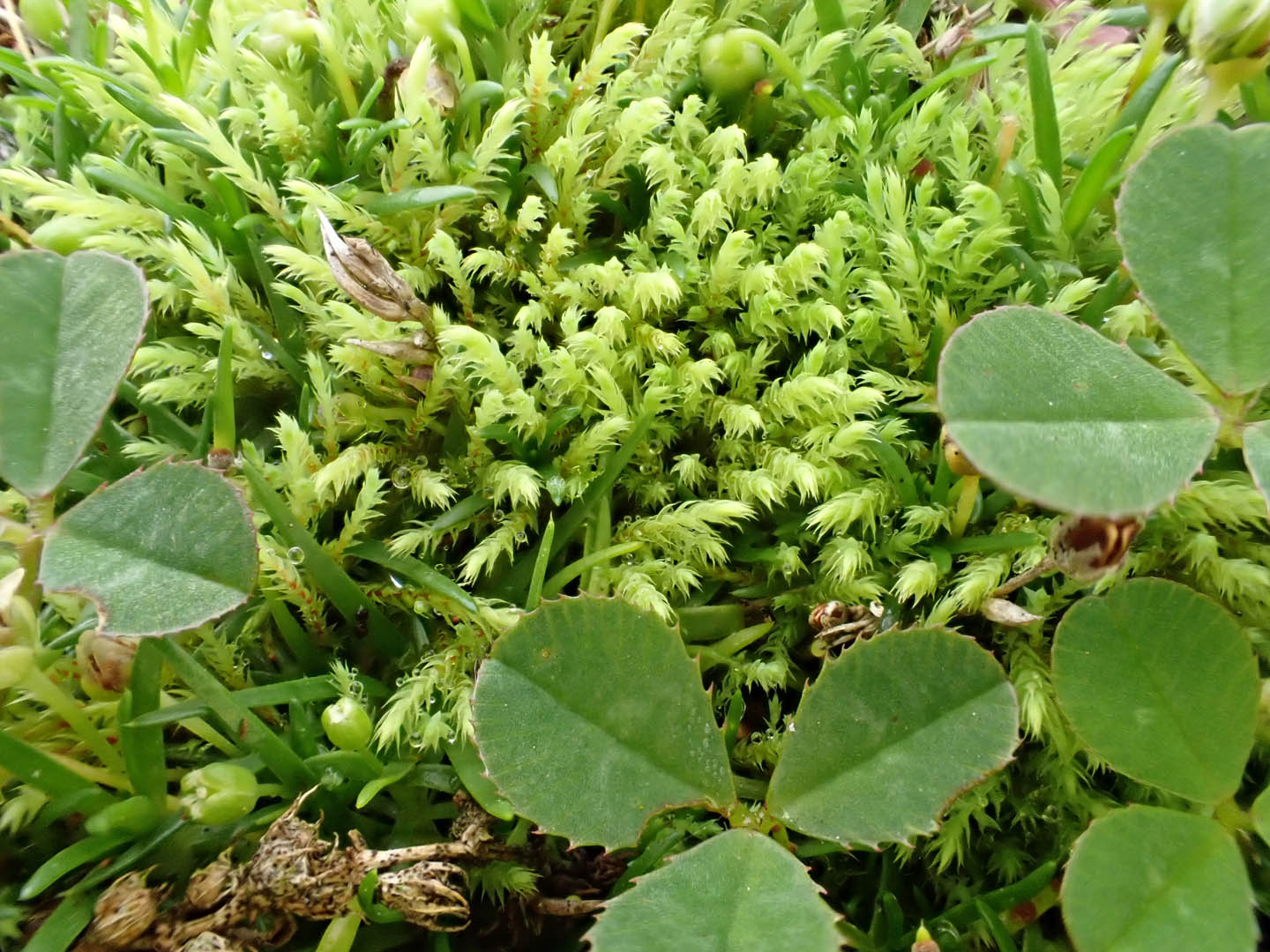
The samples were reviewed by JBA Principal Ecologist Steven Heathcote at our Doncaster office, who subsequently confirmed the presence of Physcomitrium sphaericum, the principal species cited in Combs Reservoir’s SSSI designation.
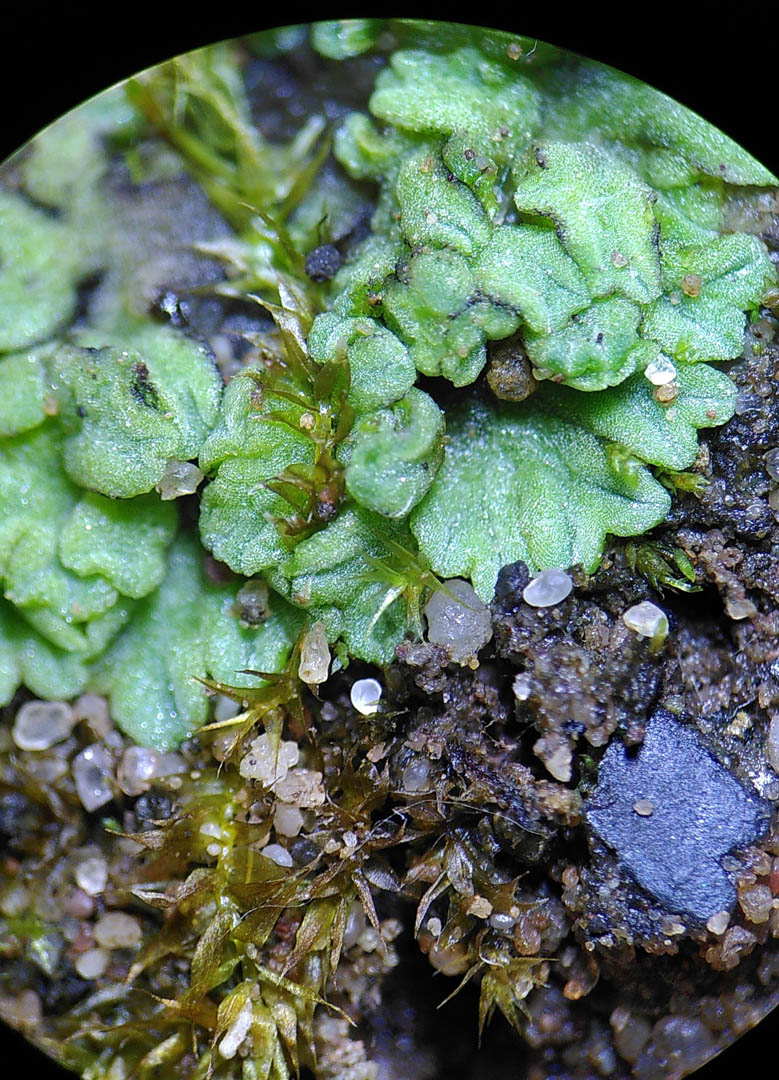
Steven also noted an unusual Riccia liverwort among the collected specimens and sought the expertise of leading independent bryophyte specialist and Derbyshire bryophyte recorder, Tom Blockeel.
Tom identified the specimen as Riccia canaliculata, a Critically Endangered species known from only one other extant location in England. The discovery was particularly remarkable because historical records suggest the species may have been recorded at Combs Reservoir as far back as 1948, although it was likely misidentified at the time and no specimen survives to verify the record.
First recorded specimen in Britain
Inspired by the find, Tom Blockeel undertook further surveys of the reservoir’s drawdown zone. During this work, Tom discovered Riccia pusilla subsp. gothica, a species which was subsequently confirmed as new to Britain.
The significance of these discoveries was recognised in a paper published in June 2026 in the Journal of Bryology, with both Sky and Steven credited for their role in the initial finding.
Read the published paper here:
Riccia pusilla subsp. gothica at Combs Reservoir, Derbyshire, a liverwort new to Britain: Journal of Bryology
Sky Wallis told us:
“As ecologists, we’re always hopeful of finding something interesting, but discoveries of this significance are exceptionally rare. Knowing that our initial survey found only the second extant population of Riccia canaliculata in England and contributed to the discovery of a species new to Britain is incredibly exciting.”
Steven Heathcote added:
“Reservoir drawdown zones are dynamic and often overlooked habitats. They support a group of specialist species with impressive adaptations that thrive in this ephemeral habitat. Their environment is changing rapidly, and there is little active surveillance of this, evidenced by the fact that we’re still finding new species. This discovery shows the value of diligent preparation for all ecological surveying combined with thoroughness in the field that made the discovery possible. What initially appeared to be a standard confirmation of the presence of SSSI-listed species proved to be far more interesting than anyone expected.”
Site of Special Scientific Interest
Combs Reservoir in Derbyshire is designated as a Site of Special Scientific Interest (SSSI) for the internationally important bryophyte (moss and liverwort) communities that develop in its drawdown zone - the area exposed as reservoir water levels rise and fall. These periodically exposed muddy margins provide rare habitat conditions that support ephemeral bryophytes, those species adapted to short-lived wet mud habitats, including Physcomitrium sphaericum, which is one of the key species cited in the SSSI designation.