How can the circular economy principles deliver better infrastructure?
What if our infrastructure took inspiration from nature to keep materials in use for longer, reduce waste and create lasting value? The circular economy approach provides an opportunity to transform the way we design, build and manage assets, affording long-term benefits for people and nature. Here, we explore how these principles can be applied across the asset life cycle, the benefits of this approach and the barriers to uptake.

What is the circular economy?
The circular economy is a system designed to eliminate waste and create value from materials and resources in new ways. Taking inspiration from nature, the circular economy approach keeps materials, products and resources in circulation for as long as possible through reuse, repair, refurbishment and material recovery. By moving away from the traditional linear approach of 'take, make, dispose', the circular economy model offers a way to maintain quality of life whilst delivering positive environmental and social outcomes.
An approach inspired by nature
Nature doesn't waste materials; instead, materials flow in a continuous loop, minimising consumption and eliminating waste. In contrast, our economic system favours taking materials from the earth and transforming them into items that are likely to be disposed of after use and replaced. This approach has helped improve the quality of life for many people, but at the cost of environmental degradation that is now threatening those improvements. By extracting full value from materials and resources, the circular economy approach provides an opportunity to maintain quality of life whilst minimising environmental damage.
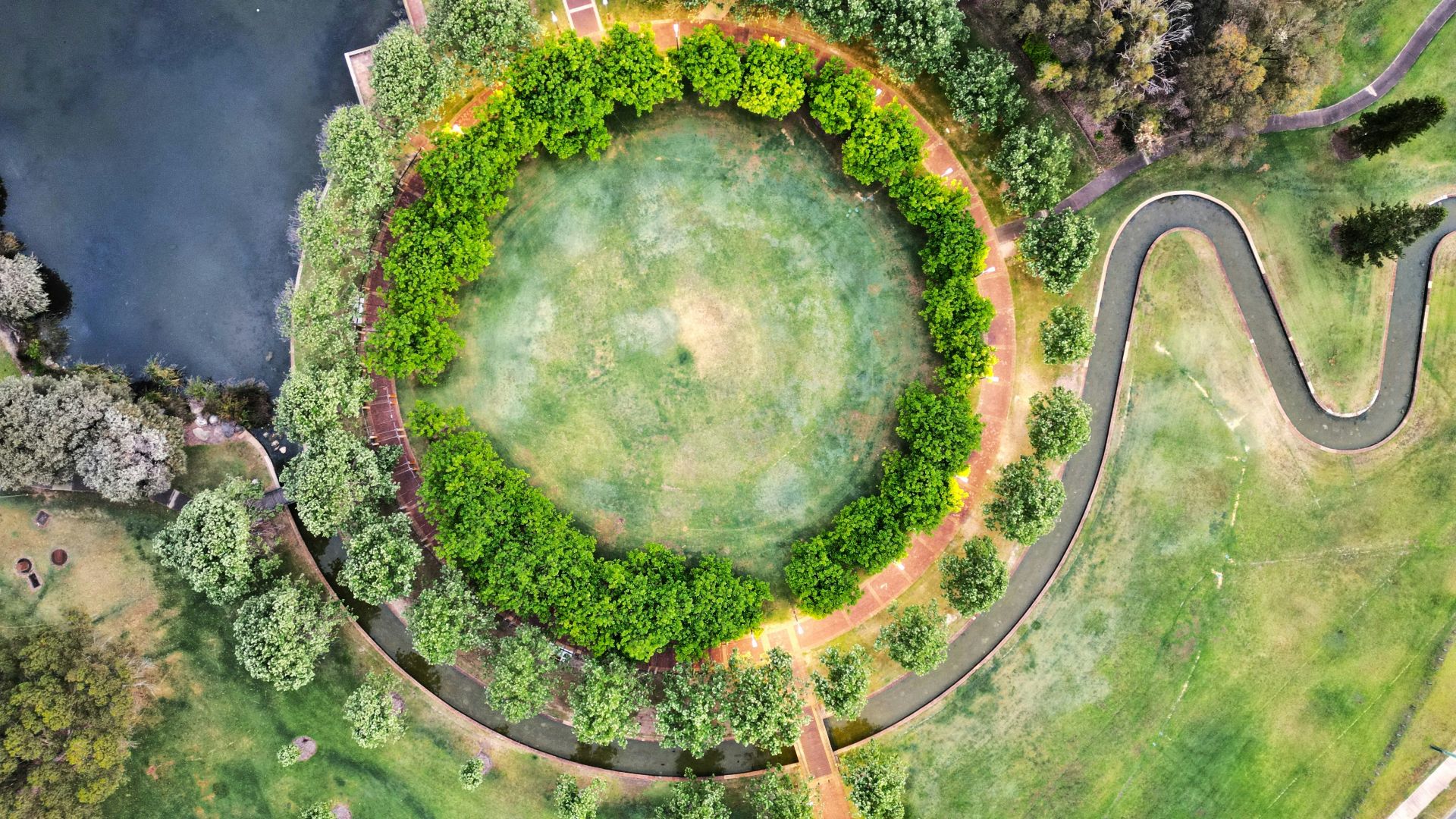
An obvious way to replicate nature's use of materials is to utilise Nature-based Solutions to provide positive outcomes for people and nature. This is something we have supported through a range of projects. Examples include creating wetlands to help reduce flood risk whilst also enhancing biodiversity.


How can circular economy principles be applied across the asset life cycle to deliver better infrastructure?
Hard engineering structures still dominate design thinking for much of the infrastructure used today. Here, a key aspect of the circular economy comes into play: keeping materials in use at their highest value for as long as possible. This can help change the way we design and maintain things and what we do with them when we don’t need them anymore.
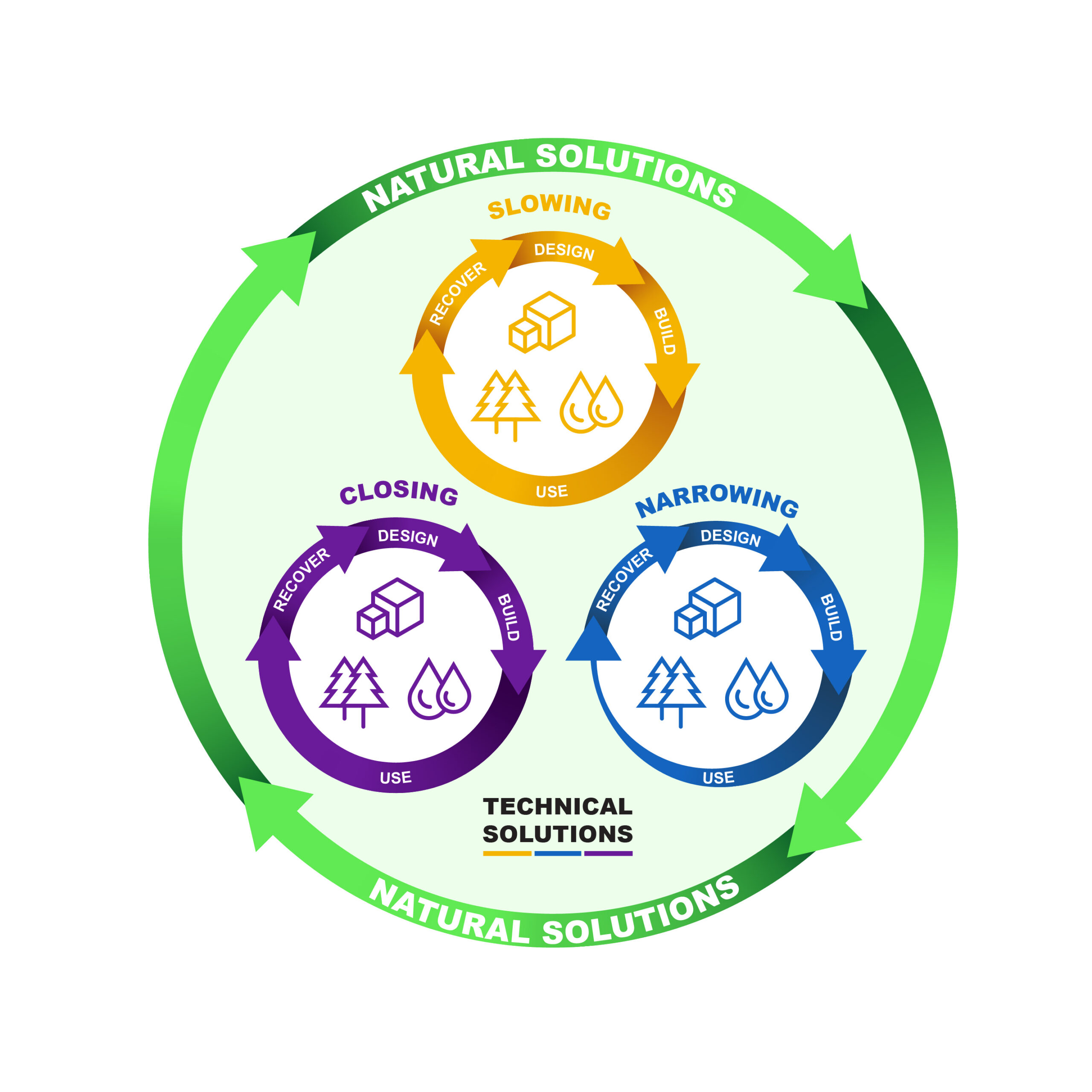
Considering a simple life cycle of an infrastructure asset can help to demonstrate how the circular economy can be applied. For this example, the four-step life cycle of an asset consists of design, construction, use and decommissioning. In a circular economy, this would be considered a loop for materials. During the design stage, we would incorporate three key considerations to support the loop of materials: slowing the loop, narrowing the loop and closing the loop.
-
Slowing the loop

Slowing the loop means designing things to last as long as possible. This can range in scale from the whole asset to its individual components. For example, consider a typical pumping station. This is made up of many different components, including the pumps, the electrical equipment and even the building itself. To slow the loop, designers would apply proven engineering approaches to prolong the life of each component and the asset. As an example, this may include ensuring there is access to the pumps and using standard component sizes to help make servicing easy and cost-effective.
-
Narrowing the loop
In narrowing the loop we look at how to reduce the amount of new material used. This can include applying standard engineering practices, such as lightweighting. But also includes using reclaimed or recycled materials.
-
Closing the loop
To help with closing the loop, it is important to consider what recovery methods there are for materials being used. Going back to the pumping station example, the pumps may be serviced or refurbished and used again elsewhere. The electrical components may be repaired, reused or recycled. And the materials used for the building may be able to be recovered and used in another building. In the worst case, any material that can’t be used or refurbished should be able to be recycled.
When designing for the circular economy, it is critical to consider the whole life cycle of an asset. Too often, we are asked to think only of the construction costs, which can lead to trade-offs that threaten material circularity: using less material can shorten the potential whole life of something. Looking at the whole life will give the optimal cost, environmental and social benefit.
What are the benefits of adopting a circular economy approach?
The circular economy approach not only helps to eliminate waste and regenerate nature. It also provides a range of benefits for businesses and society as a whole.
Businesses adopting circular economy approaches may benefit from cost savings from reduced raw material and energy use. There may also be increased supply chain resilience. Other benefits can include better alignment with investor expectations and greater market value from meeting growing demand for more sustainable products and services.
By embracing opportunities to maintain and repair resources, the social benefits of the circular economy include job creation by helping to secure a long-lasting source of skilled, local employment. Improved public health as a result of reduced levels of pollution, and enhanced social equity by increasing access to affordable and durable goods.

What are the barriers to uptake?
Whilst the benefits of the circular economy are clear, there are barriers to uptake. Among these is the general attitude to investment. Across much of the world, it is easier to obtain funding for capital investment than the revenue investment needed to continually maintain assets. However, there are signs that this is beginning to change, with the realisation that a greater focus on maintenance gives better value for money overall.

To find out more about how we can support you to adopt circular economy approaches, contact Martin Gibson.