
The UK heatwave: An extreme weather event, or a whole-system and whole-society stress test?
Following the UK’s most recent heatwave, Climate Resilience Transformation Lead, Phil Emonson, reflects on our future climate reality and the impacts such events will have on our people, places, assets, landscapes and organisations.

"Due to the extreme weather warnings issued by the Met Office this morning, I have made the difficult decision to close the school early at 12:00 noon from Tuesday 23 to Friday 26 June"
This opening line from an email from my son’s school last week was inevitable as temperatures were forecast to peak in the high 30s. The nursery quickly followed suit too. Cue a flurry of hastily arranged playdates, and parents juggling work commitments with unexpected childcare and the bulk buying of lollipops. A local disruption, but one that was felt simultaneously across many communities. And then the impacts escalated. Multiple hospitals declared critical incidents. Transport systems came under strain, with advice to avoid non-essential travel. Water companies imposed restrictions as demand outstripped supply. What began as a spell of nice Summer weather quickly evolved into something else entirely.
What happened last week was not just an extreme weather event. It was a stress test for the systems that society relies on. In fact, last week’s heat was the second such period in 2026, and we experienced similar in 2022 as well. This is not an anomaly, and what we are seeing is a glimpse of our future climate reality. The impacts of these events create risks to people, places, assets, landscapes and organisations, compounded in real time.
Extreme heat, like flooding, is not just a hazard in isolation. It exposes the interdependencies of the systems we rely on every day. Our thinking and planning now needs to extend beyond whether we can cope with a few hot days. Instead, we need a cross-departmental and cross-sectoral commitment to ensure our systems (be they social, physical or institutional) are ready for a much hotter world.
People
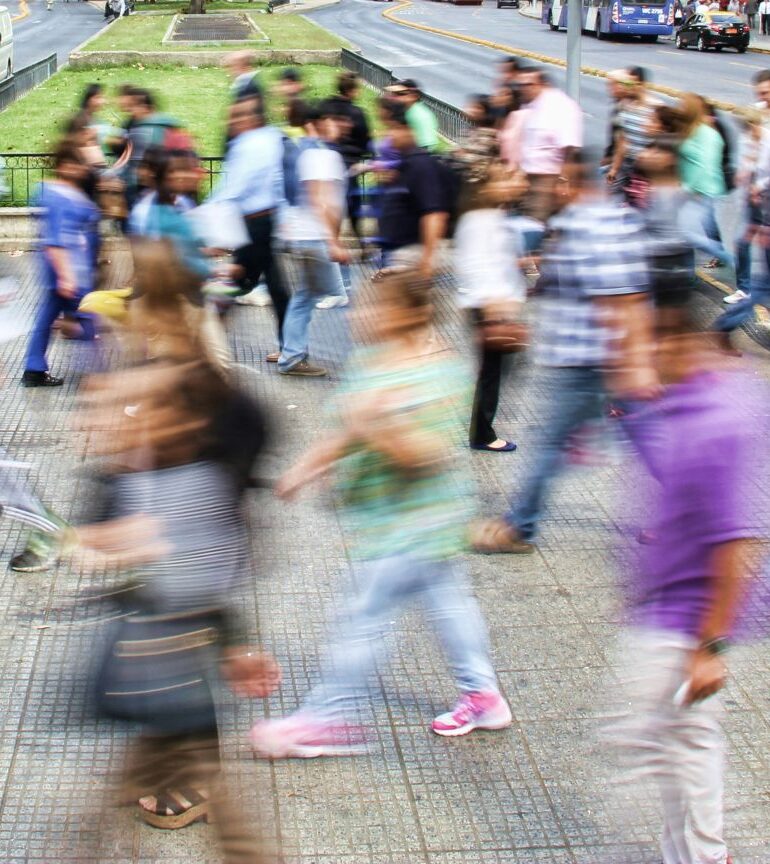
First and foremost, extreme heat is a social resilience challenge. Its impacts extend well beyond those groups traditionally defined as ‘vulnerable’, affecting wider populations through disrupted routines, reduced productivity, and growing pressure on health and care systems.
However, like all climate risks, these impacts are not felt equally. Exposure, sensitivity and the capacity to respond vary significantly across communities.
For example, certain workplaces do not adopt flexible working or adjusted hours during extreme heat. This can disproportionately impact those in outdoor or lower-paid roles, and those who can’t work from home or in cooler workplaces as easily. This reinforces existing inequalities through exposure and risk. Such policies and practices do not seem to be set up for our current and future climate. This highlights a critical point: building whole-society resilience requires transitions that are not only effective, but just, inclusive and socially empowering.

Places
It is becoming increasingly clear that our towns and cities were not designed for this climate. Many buildings lack adequate cooling, and it didn’t go unnoticed that a London Climate Week event on extreme heat had to be cancelled. This isn’t ironic, it’s a clear signal of what we’re up against. Our indoor environments (homes, workplaces and public venues) are already overheating. So, it is no longer a question of whether our places provide basic comfort, it is more a question of function. With continued rising temperature our buildings, as they are, may struggle to provide safe and usable environments for us to live, work and play.
The consequences of this are, as we saw, that schools close, workplaces can become less productive and the economy suffers. Those living in lower-quality housing in denser urban areas may have limited access to green space and become more exposed. What begins as an issue of our places and building, ripples out to become a whole-society and whole-system challenge.
However, there are some great examples of how urban spaces can adapt and provide a refuge. Last week it was pleasing to see promotion and awareness raising of the London Cool Spaces map. This is a vital resource, and one that other cities and towns ought to adopt as part of their climate actions planning. It includes indoor cool spaces (libraries, community centres), outdoor shaded spaces, drinking water points and registered ‘cool’ buildings.
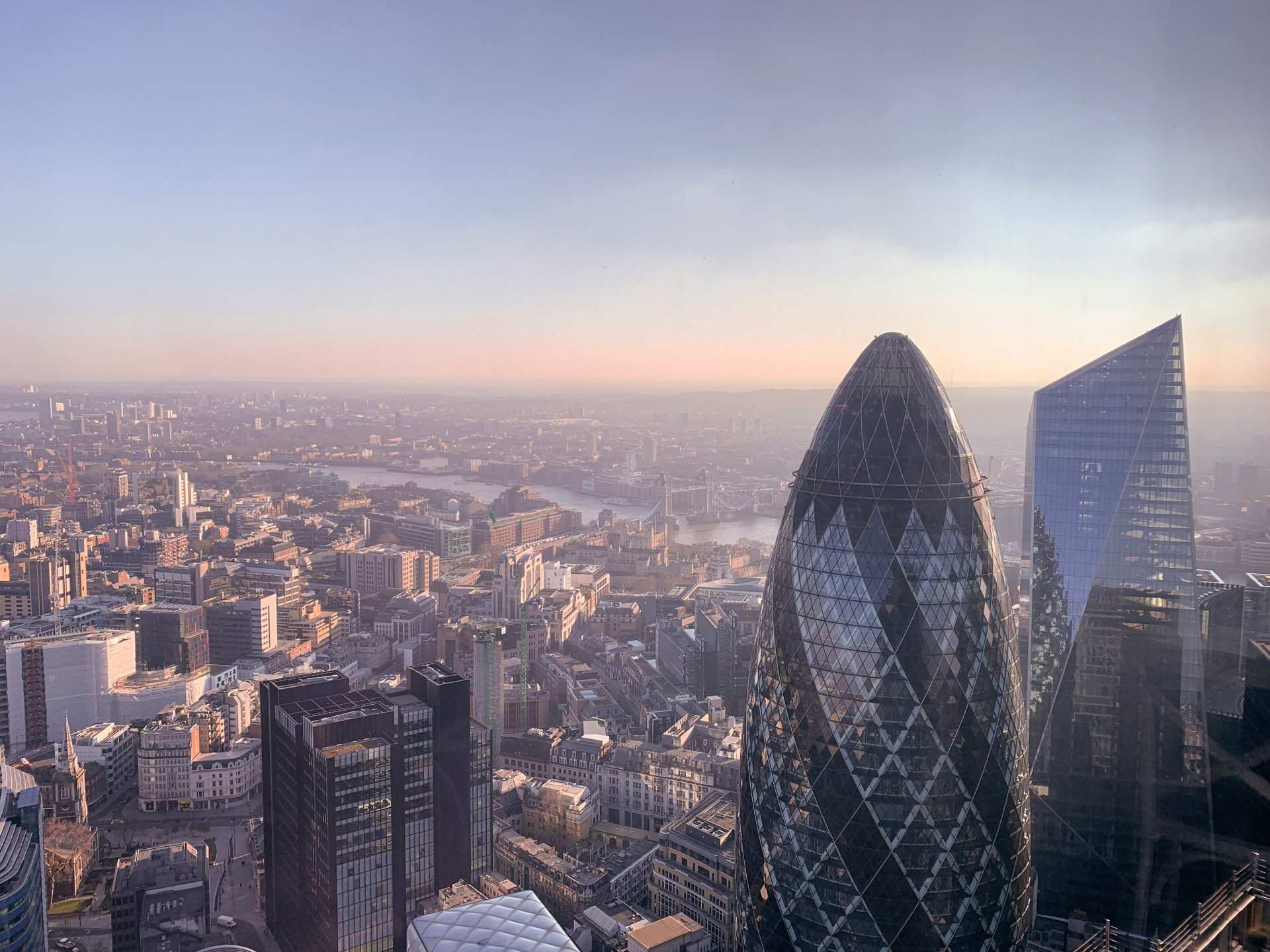

The emergence of these maps is telling. Rather than our cities being inherently liveable in high temperatures, we are beginning to map refuges within them. True resilience will allow us to move from these great mapping tools in isolation to embedding cooling into the fabric of our places themselves.
Assets
The impacts of heat on our assets and infrastructure are well-documented. Extreme heat can cause rail to buckle, road surfaces to degrade, and utility networks to come under pressure and demand outstrips capacity.
As with our places, these assets were largely designed for a climate that no longer exists. Again, the consequences are rarely isolated. Infrastructure operates as a system of systems, meaning that disruption in one area can quickly cascade into others, affecting many of our critical national infrastructure (such as transport, energy, water) and the essential services that depend on them.
This was a topic explored in the recent fourth roundtable of JBA’s Climate Resilience Exchange. This bought national leaders together to discuss how to accelerate delivery of the UK’s 10-Year Infrastructure Strategy. The discussion highlighted the importance of embedding resilience into infrastructure planning and investment through stronger alignment with place and catchment-based approaches, more effective governance and regulation, and unlocking new models of financing and innovation.
You can hear more about this in the latest episode of the JBA Climate Resilience Podcast.
Landscapes
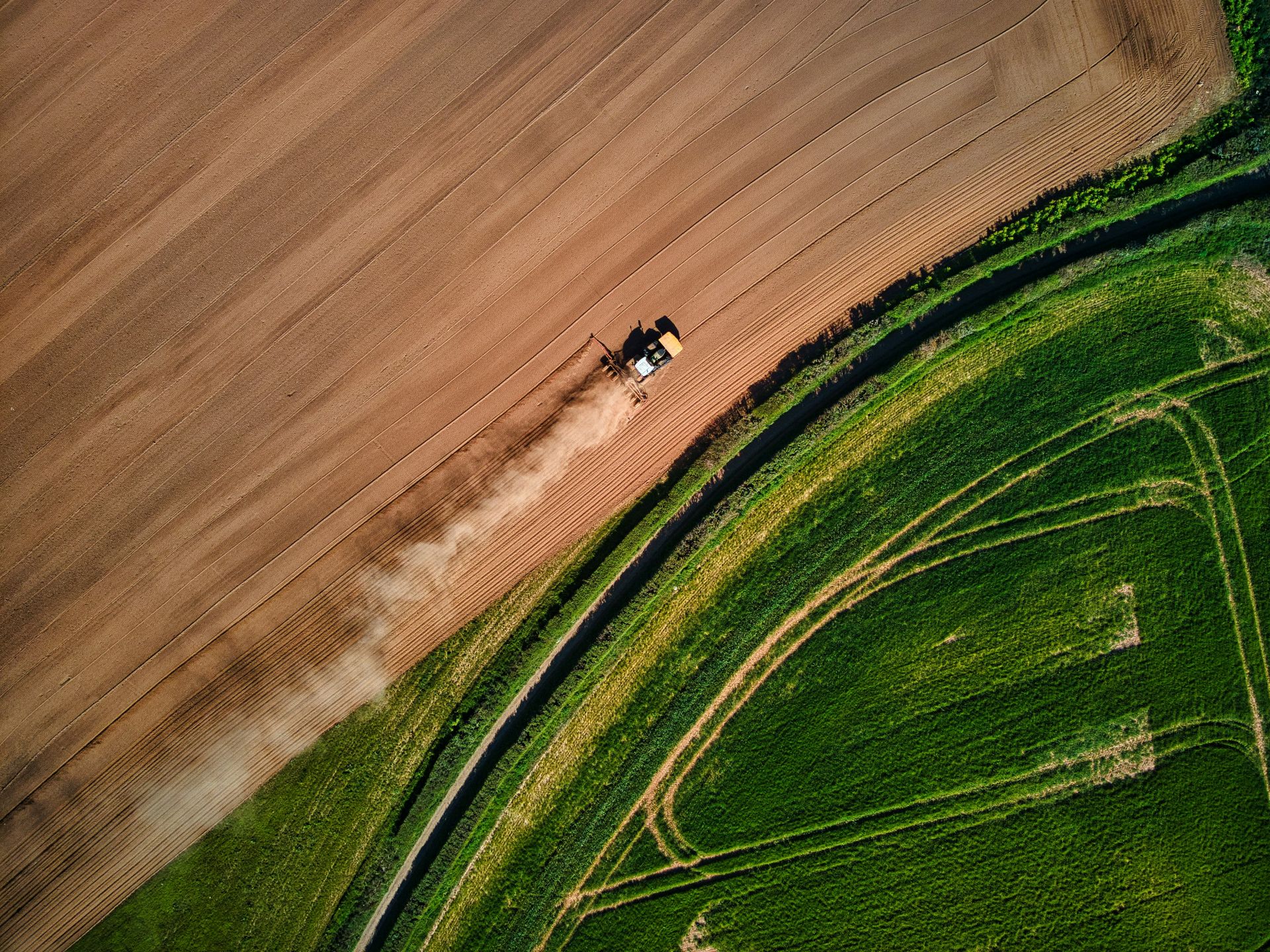
Extreme heat can increase the risk of wildfires, as seen during the 2022 heatwave. It also places enormous pressure on the farming community, with heat intrinsically linked to drought, soil degradation and reduced crop yields.
Our landscapes, and our relationship with landscapes, are critical to how society both experiences and manages heat. Healthy, resilient landscapes can provide natural cooling through vegetation, water and soil moisture, regulating temperatures and supporting water availability. In urban and rural areas this can help protect communities from extreme conditions. Like the systems that I have explored here, landscapes are not made of distinct and separate parts, they are interconnected sensitively and function through equilibrium.
Integrated water management, recognising the connections between heat, drought, land use and water will allow us to think beyond individual hazards, and apply whole-system and catchment resilience thinking. We need to see our natural systems treated as critical national infrastructure that underpins resilience across people, places and infrastructure.

Organisations
To achieve our national and collective ambition of resilience to the impacts of climate change, it will be the funding decisions and policies of organisations that will matter most.
The extreme heat we’ve seen exposes vulnerabilities across people, places, assets and landscapes, but it is organisational decisions that will influence how these risks are planned for and managed. Be that in transport operators, utility providers or local authorities.
Responsibilities for resilience are often split across these multiple organisations, regulatory frameworks and funding streams. This makes it difficult to deliver effective whole-system responses. This is where whole-society resilience is important, not the in plans or policies, but in effective cross-sector partnerships and governance that enable seamless support for those who need it most.

Conclusion
At JBA, we recognise that climate resilience cannot be delivered through a single, siloed lens. Extreme weather events disproportionately impact the most vulnerable, with impacts compounding across interconnected systems. We frame these challenges through a whole-systems lens: people, places, assets, landscapes and organisations. This consistent model provides clarity for those we work with and partner alongside.
Periods of extreme heat are no longer exceptional, they are becoming a defining feature of our new and changing climate. While there are encouraging examples of improved awareness and response, it is clear that progress is not yet at the pace or scale required.
Accelerating the transition to a just and empowering model of whole-society resilience will require more than incremental change. It demands clear accountability for outcomes, outcome-based funding, and institutional change alongside policy reform.
As I write, there is the prospect of yet another period of extreme heat next week, yet another stress test for our systems and our society. The need for action is both real and urgent.