Supporting the Holderness Drain Flood Alleviation Scheme through climate resilient engineering design
Delivering engineering design expertise to support the development of a multi-million pound pumping station. Reducing the risk of flooding to more than 1,000 homes in Hull and the surrounding areas.

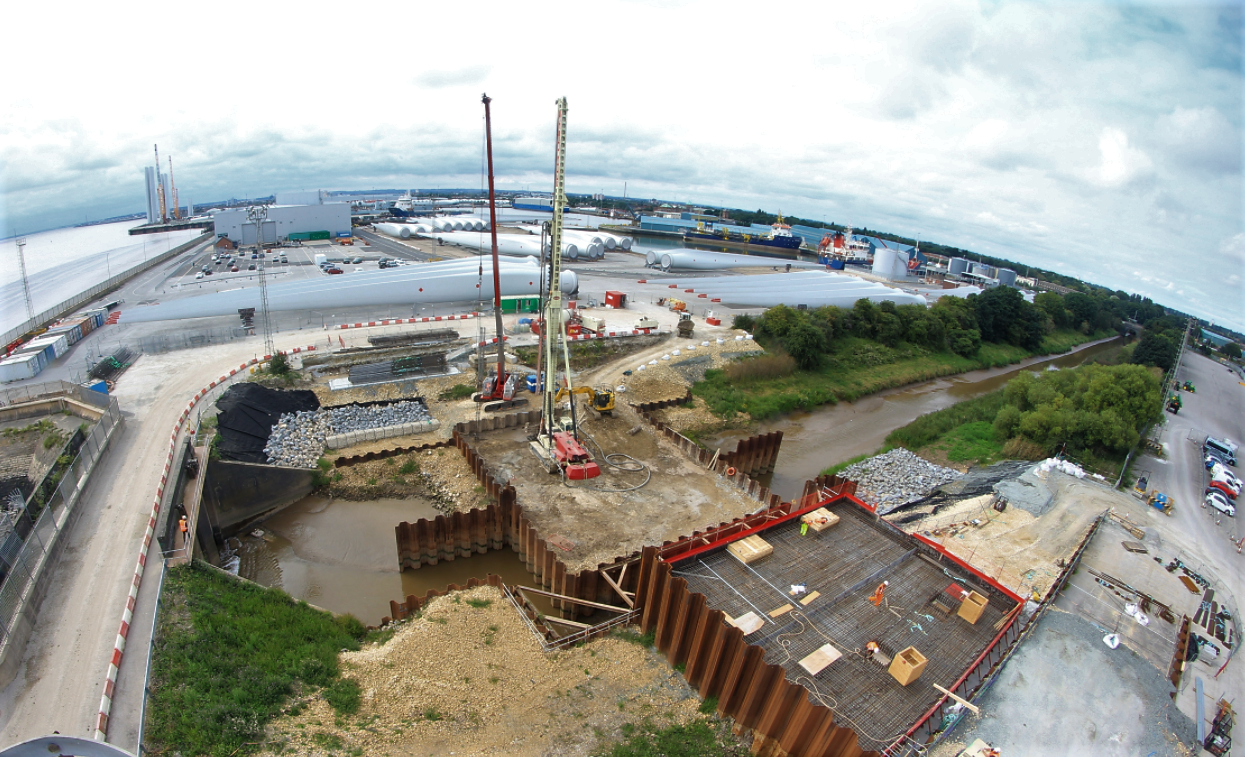
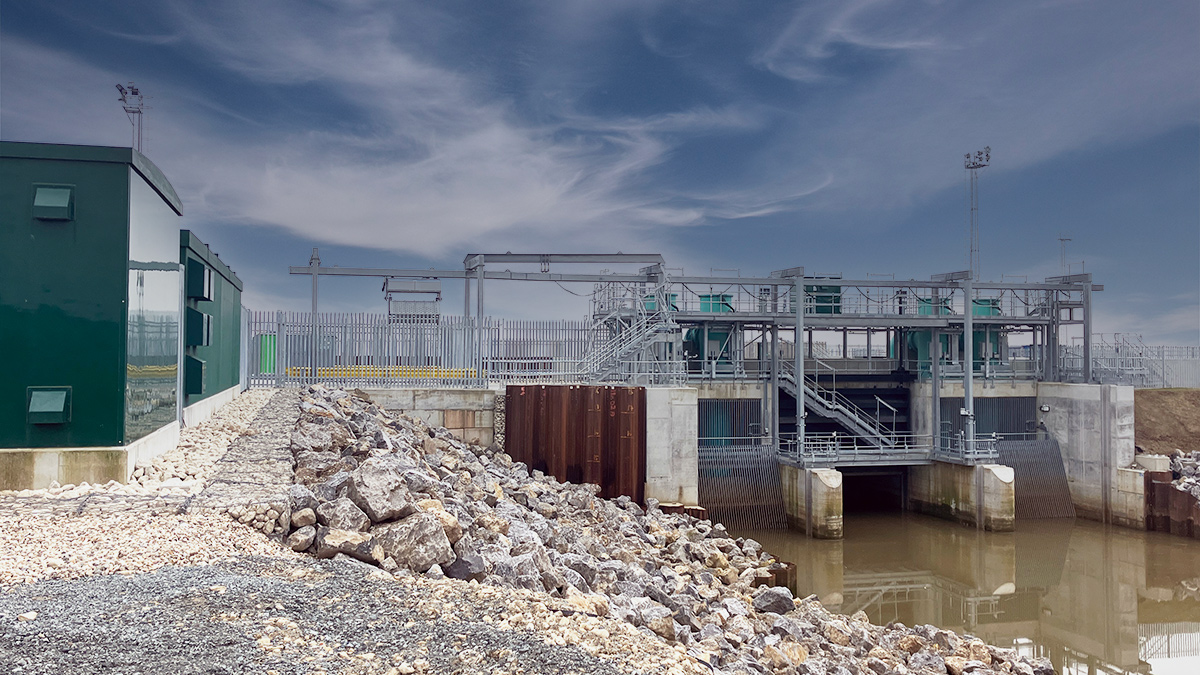
Located at the southern end of the Holderness Drain, this project comprised two working areas - a new 10m3/s online pumping station and a flood storage area at Castlehill, along the route of the Holderness Drain. Together both components of the scheme will reduce the risk of flooding to neighbourhoods on the eastern side of Hull.
- Client Environment Agency
- Location Hull
- Partners JBA Bentley
Solutions underpinned by climate resilience and adaptation
Forming part of the £28 million Holderness Drain Flood Alleviation Scheme, this project saw us work alongside colleagues from JBA Bentley to provide the designs for the development of East Hull Pumping Station. By placing climate resilience and adaptation at the heart of these designs, we were able to deliver multiple benefits. This included increasing flood storage within the catchment, creating new woodland habitats, enhancing biodiversity and integrating new walking routes.
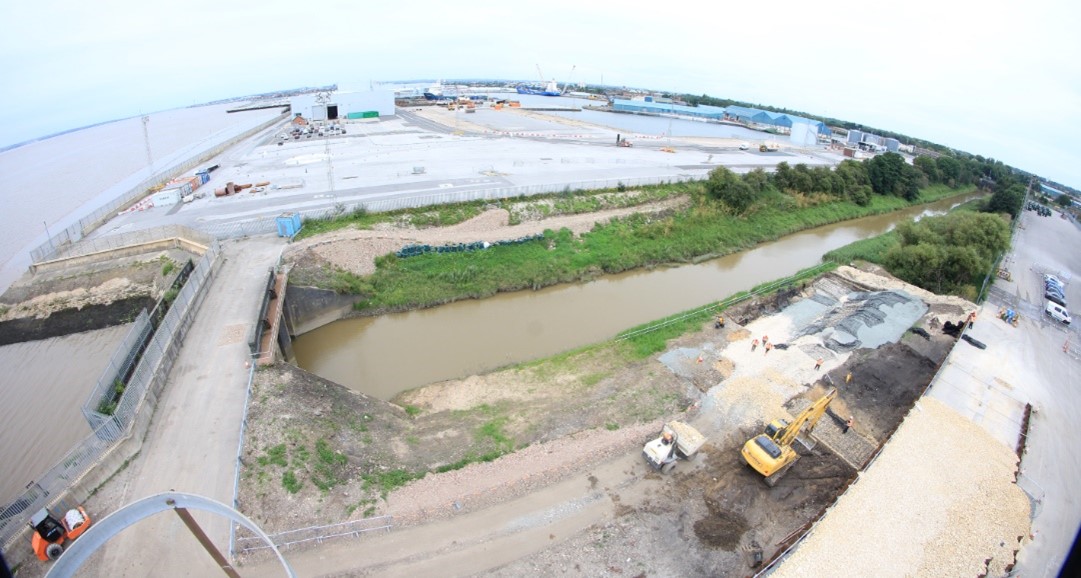

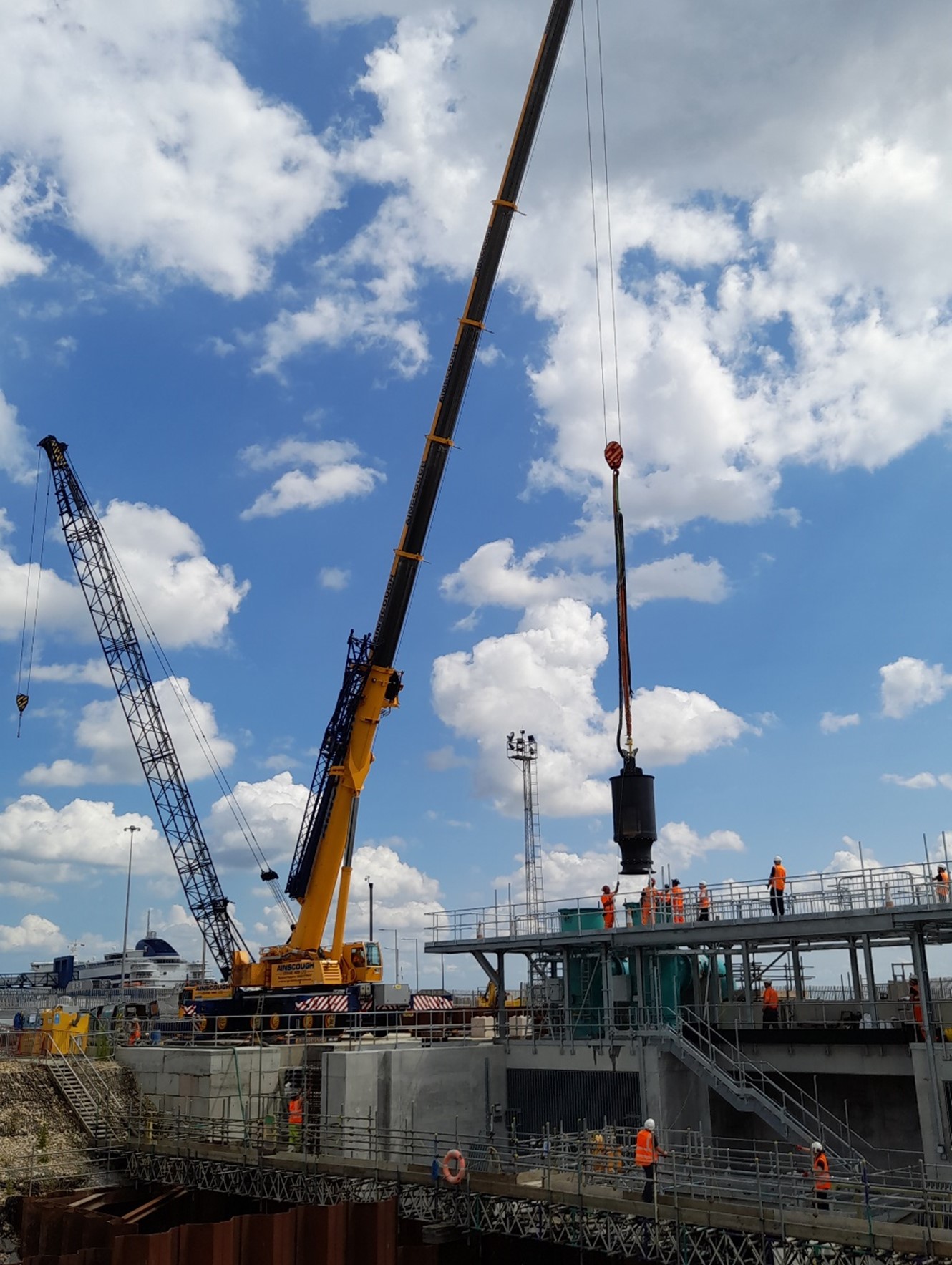
To delay the need for future pump upgrades a 20% overdrive capability was built into the controls, which can temporarily increase pumping outputs to 12m3/s.
Multi-disciplinary expertise to address environmental considerations and offset carbon
With space being at a premium and work taking place close to an environmentally protected site, the design and construction of the new pumping station had to take into account several environmental considerations. Addressing these challenges required multi-disciplinary expertise from across JBA, and as a result, we were able to reduce land take, limit habitat displacement and reduce carbon. For example, creating new woodland as part of the project will sequester more than 2,000T of carbon alone.

Additional benefits delivered through advanced modelling
The work of the JBA Engineering and Environmental teams was also supported by our in-house modelling expertise. To support the assessment of proposed designs, we combined catchment-scale 1D-2D flood modelling with targeted FLOW-3D Computational Fluid Dynamics (CFD) modelling. With uncertainties around the hydraulic performance of the proposed pumping station, the CFD model was used to optimise the pumping station's location, investigate hydraulic processes, assess scour and deposition risks, refine erosion protection measures, and support the safe planning of construction and temporary works.
Critically, the modelling enabled reductions in scour protection requirements, saving approximately 2,000T of rock armour and delivering significant cost savings. It also supported a reduction in programme duration, contributed to reducing the scheme's carbon footprint, helped to inform safer construction practices and provided opportunities to resolve site issues during the construction phase.