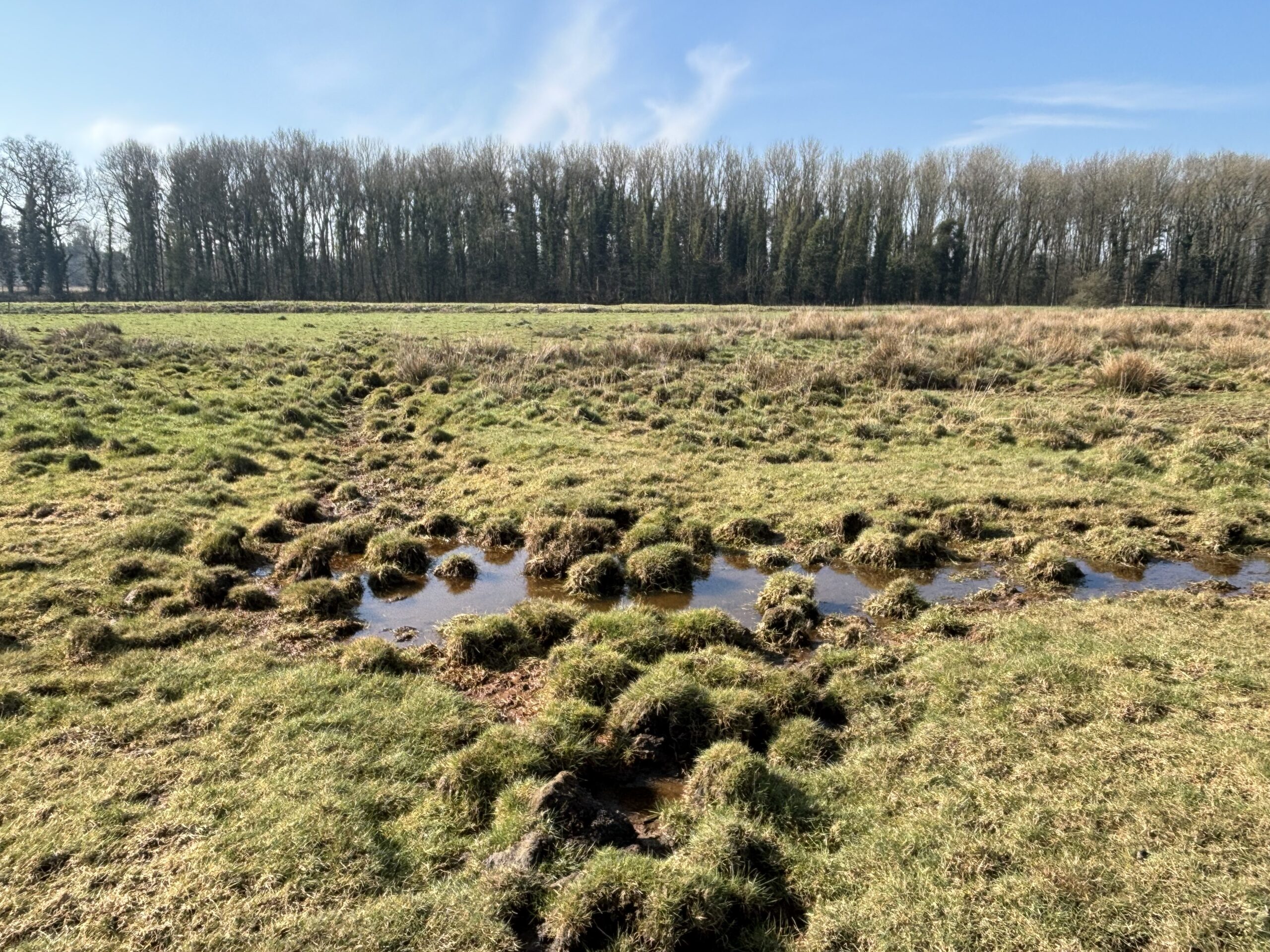
Pasturefields ecohydrology review: Safeguarding Britain's only natural inland saltmarsh
We were appointed by Staffordshire Wildlife Trust to undertake an ecohydrology review of Pasturefields Special Area of Conservation (SAC). Read on to discover how our recommendations were designed to maintain the health of the saltmarsh and enhance its resilience to the effects of climate change.

A multidisciplinary study of a unique landscape
Pasturefields is the only natural inland saltmarsh that remains in Britain, being fed by upwelling saline groundwater that has percolated through salt deposits. This project sought to understand the condition of the habitat and its saltmarsh communities using an assessment of its ecology, hydrology and hydrogeology within a multidisciplinary framework.
- Client Staffordshire Wildlife Trust
- Location River Trent, Stafford
Unveiling plant diversity through detailed vegetation mapping
A comprehensive botanical survey of the site was completed, which was the first detailed vegetation mapping exercise to be carried out across the entirety of the site. Quadrat monitoring was also undertaken to establish National Vegetation Classification (NVC) distributions across the SAC and to record the frequencies of plant species.


Monitoring saltmarsh health through ecohydrological innovation
The project involved the deployment of a data logger network to measure changes in groundwater level and salinity over time, generating a dataset that could be used to characterise the hydrological mechanisms that support the growth of saltmarsh communities within the site. The use of automated data loggers significantly reduced the need for frequent site visits, therefore lowering the project’s carbon footprint.
The detailed NVC mapping demonstrated that the salt marsh is still generally in good condition; however, there are some aspects of it which may be in decline. Conceptual hydrogeological and ecohydrological models were developed to understand the processes which control the level of salinity present at the site and the mechanisms by which these saline conditions affect the distribution of saltmarsh habitat.
Building ecological resilience in a changing climate
We provided a series of recommendations for future management of the site, largely focusing on the reinstatement of selected footdrains at the site. These recommendations are designed to maintain the long-term health of the saltmarsh communities, enhancing habitat resilience to the effects of climate change.


Contact Ben Howlett to find out more information about this project.