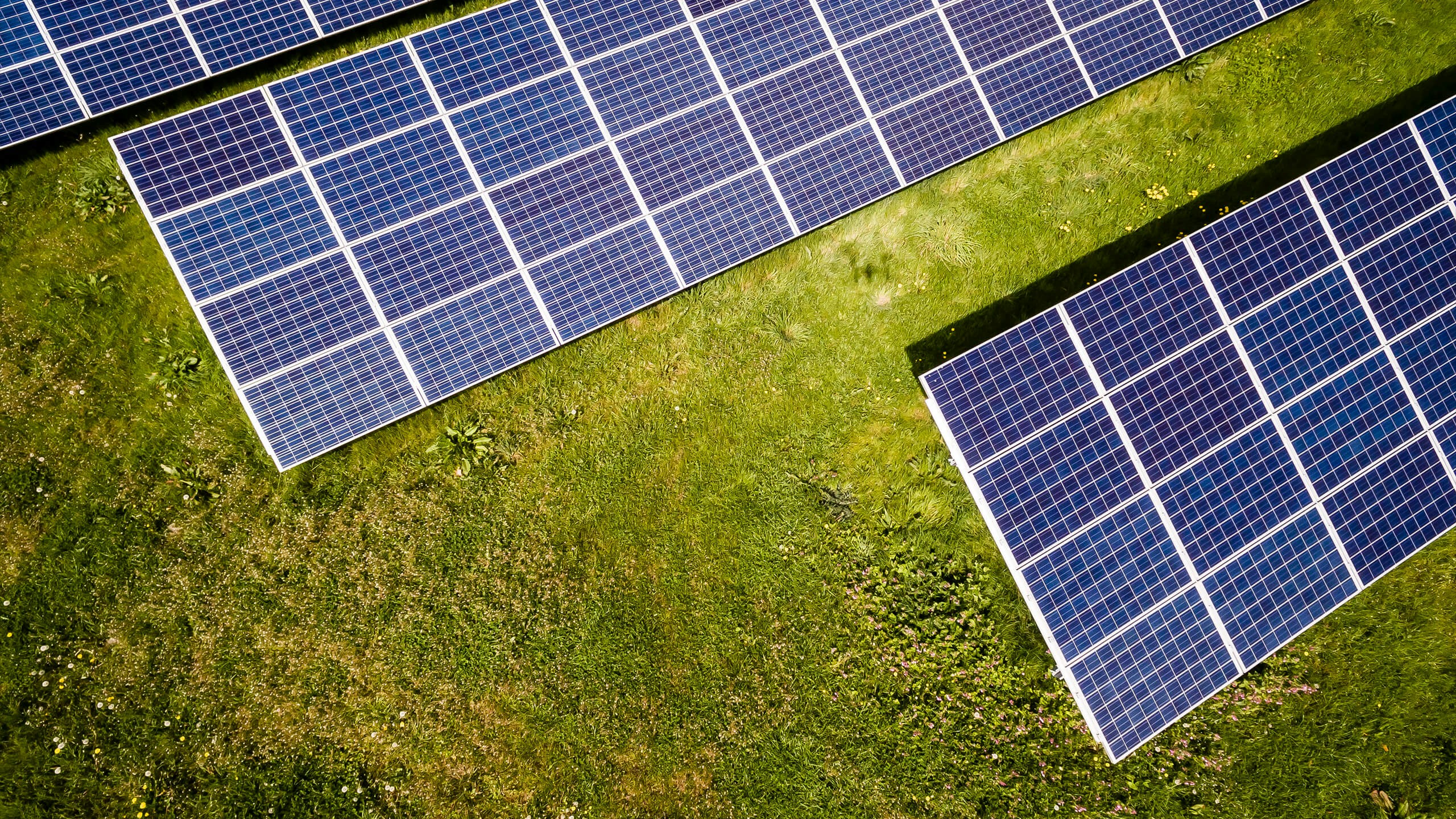
Listening to the community: The insights shaping the Ampyr Solar Farm
Through tailored communication methods, meaningful conversations, and a detailed assessment of local priorities and environmental considerations, we delivered a comprehensive programme of community and stakeholder engagement for the proposed New Acres Solar Farm in South Stanley, County Durham. Discover more below.

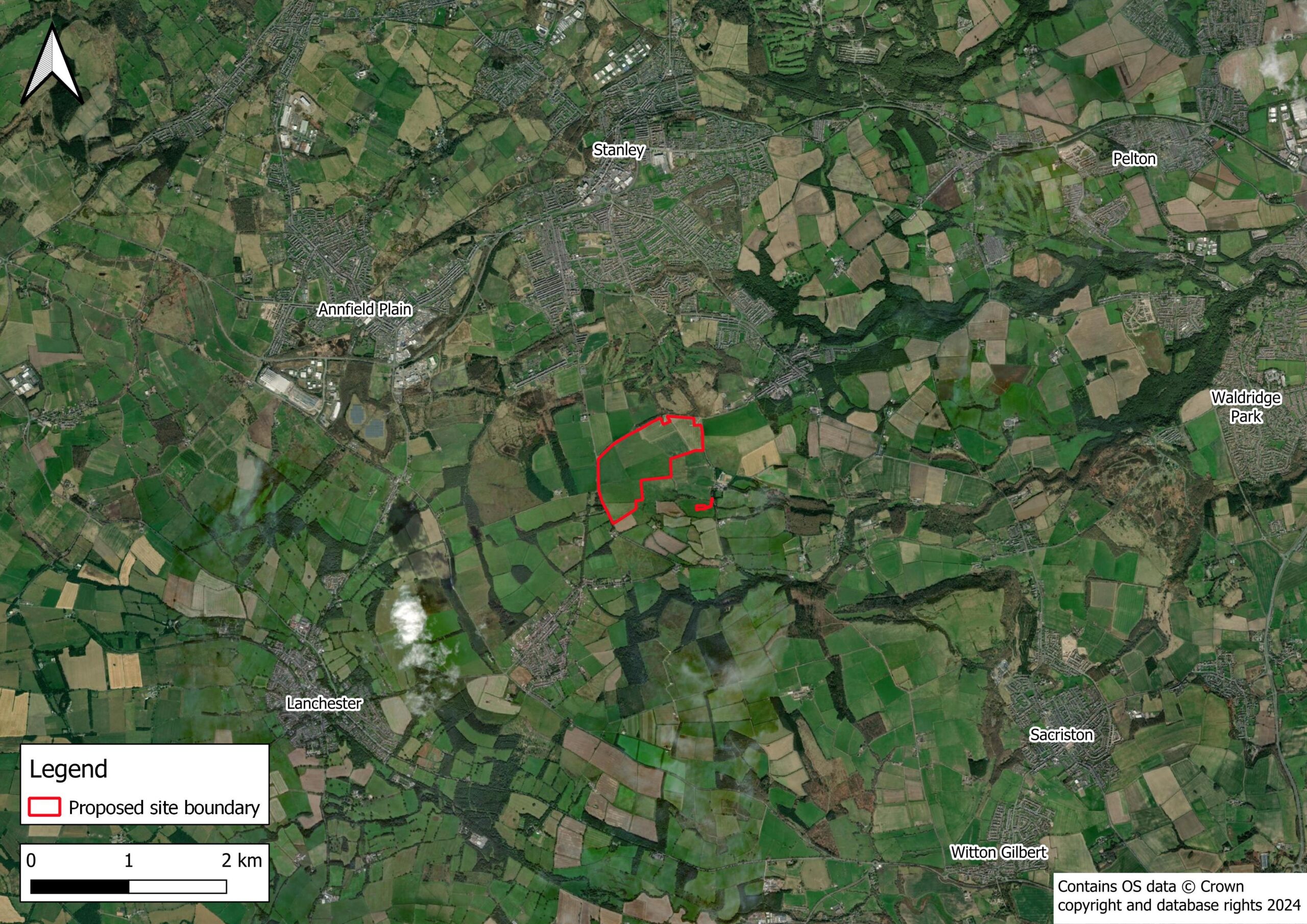
With the growing need for greener energy, Ampyr Solar Europe commissioned us to plan and deliver a community consultation before submitting a planning application for a 40-hectare solar farm near Stanley, County Durham.
- Client Ampyr Solar Europe
- Location South Stanley, County Durham
How engagement shaped the project proposal
With the proposal of a new solar farm site at New Acres, south of Stanley, County Durham, we were commissioned by Ampyr Solar Europe to conduct the community consultation, gather feedback and compile the required report for submission to the local Planning Authority.
Community consultation is required for large developments, and understanding their views at an early stage of project development prevents costly redesigns. The new 40-hectare project, which could power approximately 12,800 homes per year and reduce carbon dioxide emissions by 400,000 tonnes through the clean energy it generates. The consultation period, held between July and September 2024, provided an opportunity to explore the benefits for the community and the wider landscape. The information gathered during this period was to be returned to the development team to develop their proposal.
Our Social Value and Engagement team undertook extensive stakeholder identification and analysis to ensure that residents, business owners and service providers fully understood the proposal and had the opportunity to share their feedback. Several communication and feedback channels gave the messaging a broad reach, and a social listening exercise helped Ampyr gain a deeper understanding of the community's environmental and cultural context.
In addition, the consultation included ongoing correspondence with statutory stakeholders and neighbouring landowners who would be affected by the proposal, ensuring consistent communication throughout the process.
Accessible community engagement across multiple channels
Using local demographic data, our teams selected the most effective mix of channels to reach the community and ran a targeted consultation programme.
We organised an in-person community event, handling all logistics, staff briefings and publicity. All printed materials and posters were written in Plain English and produced in accessible formats to ensure equitable access. We led media relations, issuing a press release to relevant outlets, and sent information postcards via Royal Mail to publicise a series of community drop‑ins.
Residents could respond using printed or online feedback forms; responses were collated and analysed by our team. We also designed engaging informational posters to support public understanding and encourage participation.
As part of a coordinated Public Affairs programme, we provided personalised written briefings to Parish, Town and County Councillors and the local MP, and invited them to an in‑person briefing with a detailed presentation and Q&A. This was to ensure that community representatives felt informed and empowered to have clearer conversations with residents. All stakeholders had access to the project website and an online feedback form to stay informed and share views.

Strengthening understanding through tailored engagement
These activities enabled us to share clear, accessible information about the solar farm proposal with all stakeholder groups, ensuring that everyone had an opportunity to understand the project and what it could mean for the community and the environment.
This combination of tailored engagement methods allowed stakeholders to explore the proposal in ways best suited to their needs and preferences. This approach not only supported more informed conversations within the community but also strengthened the project team’s understanding of local views, concerns, and existing knowledge. The insights we gathered through this process played a vital role in helping the client shape and refine the project design to better reflect the community's priorities and expectations.

Assessing site suitability and long-term impact
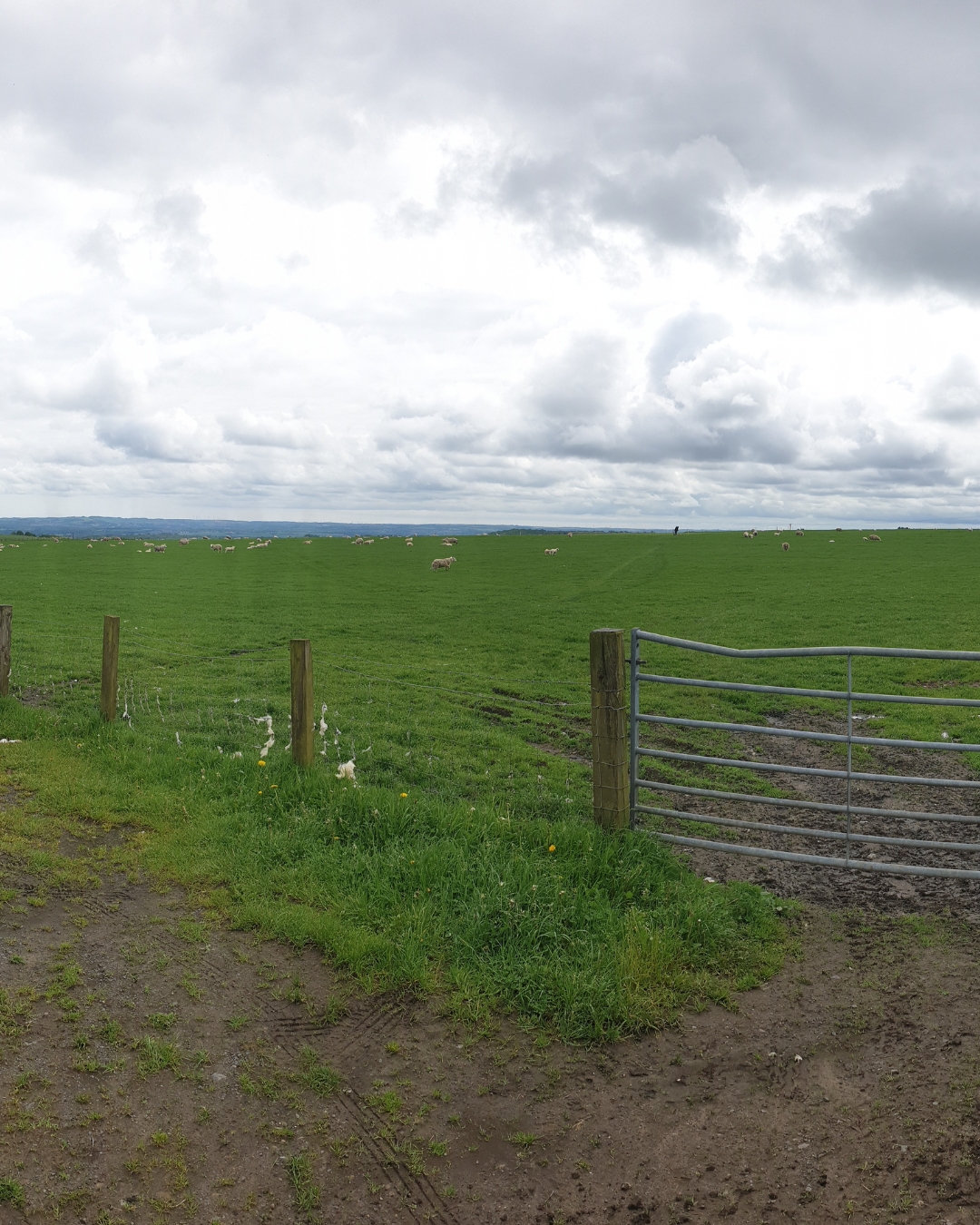
The proposed solar farm site is a temporary installation covering 40 hectares on a 60-hectare site, with a design life of 40 years. After that, the solar farm will be decommissioned, and the site will return to its original use. Some key environmental takeaways for this project are that it will allow soil quality to continue improving and that it will benefit from being left to fallow. The applicant has carefully considered the location due to its proximity to grid connection availability. They have also conducted surveys to assess potential impacts on areas such as the environment, heritage, ecology, and noise, among others.