Supporting Overstrand's coastal community to plan for change and shape a resilient future
As coastal erosion continues to reshape parts of the North Norfolk coastline, communities are facing important decisions about how they adapt to a changing future.
Through the Defra-funded Coastal Transition Accelerator Programme (CTAP), we partnered with North Norfolk District Council (NNDC) and the Coastwise team to develop the Overstrand Coastal Community Transition Plan. Read on to find out more about our approach and the insights and outcomes behind this award-winning initiative.

The challenge of adapting to change
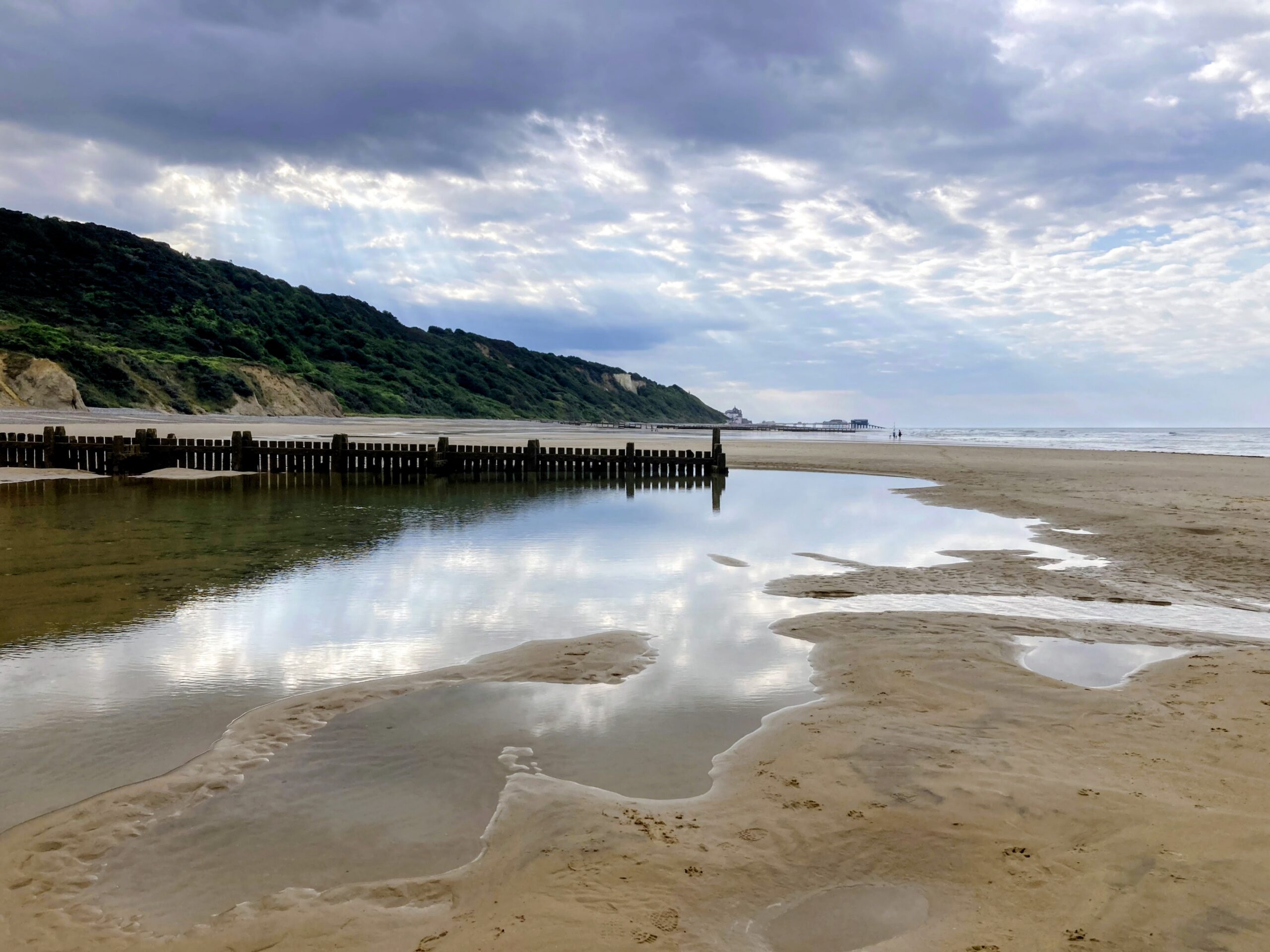
Overstrand is a coastal village with a strong sense of place, heritage, and identity, but one that is increasingly at risk from coastal erosion. Projections indicate that up to 130 homes and key infrastructure could be lost by 2105, alongside impacts to tourism, utilities, access routes and community facilities.
The Shoreline Management Plan policy for the area has recently changed from "hold the line" to "managed realignment"*, meaning communities must begin to plan for adaptation rather than continued defence.
The challenge was therefore not only technical, but social. The project team needed to support the community to engage with complex, uncertain, and often emotive issues, and help them to move towards a shared, proactive vision for the future.
*Hold the line: A policy that maintains or upgrades the level of protection provided by coastal defences.
Managed realignment: A coastal policy allowing some areas to erode naturally. Under this policy, coastal protection structures may continue to be maintained or repaired by NNDC whilst it is affordable and viable to do so, but they will not be replaced if they fail.
Engaging communities in coastal adaptation
We designed and delivered a co-creation process, ensuring the plan was developed with the community, rather than for them.
This approach combined technical analysis with creative and inclusive engagement, including:
- A baseline assessment, drawing on previous studies, socio-demographic data and coastal risk mapping
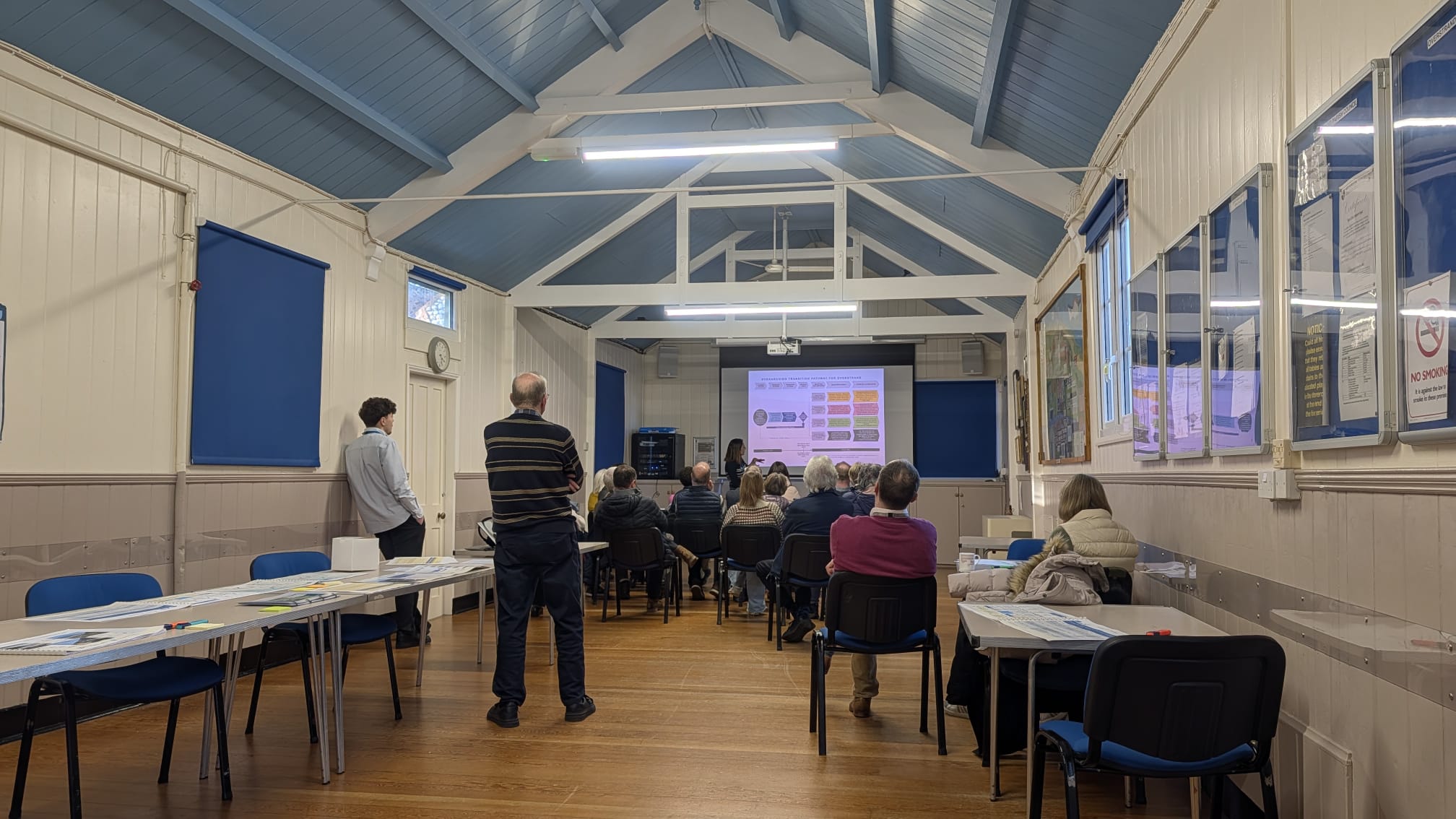
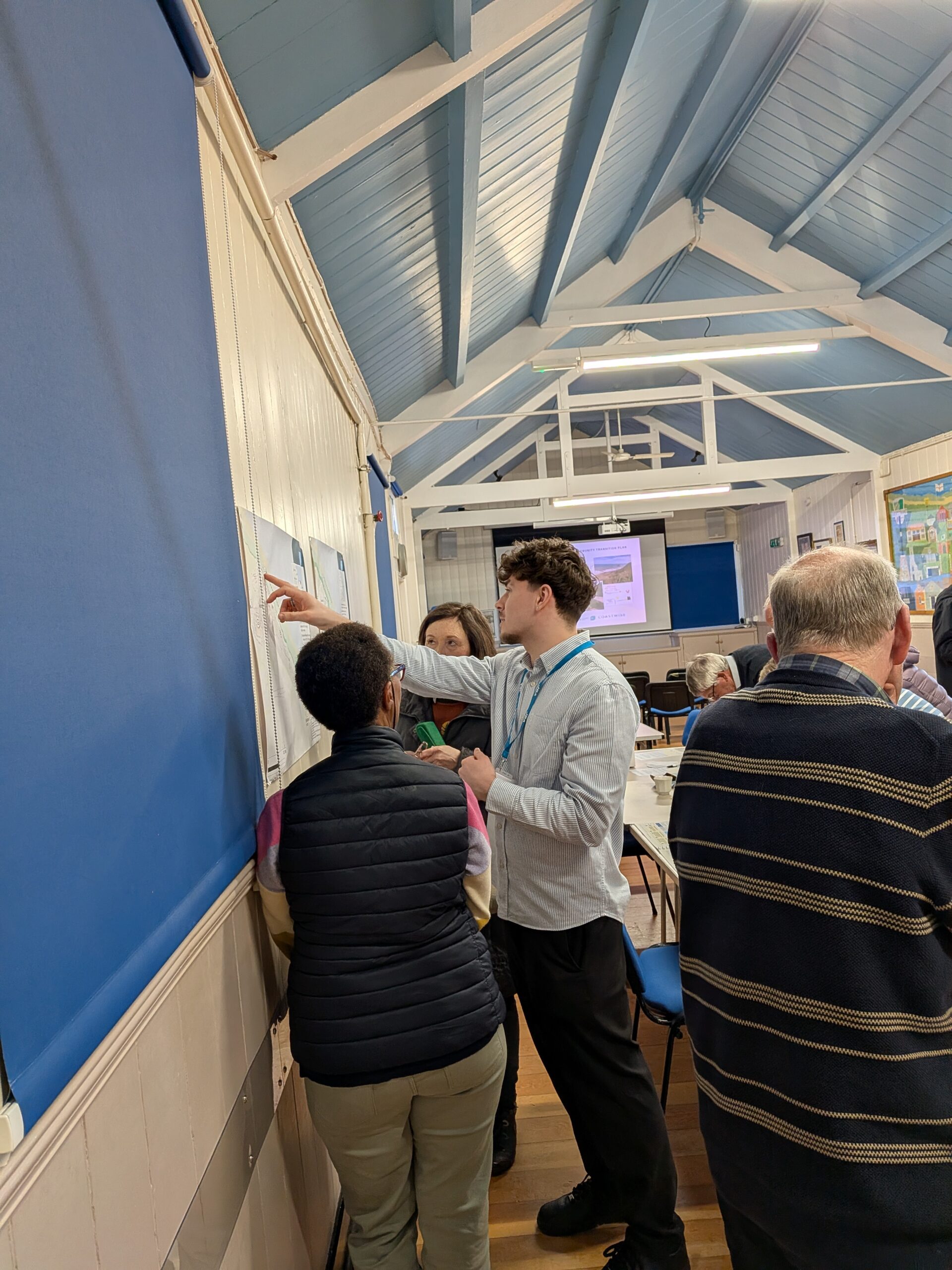
- An extensive community engagement programme, including workshops, surveys, events and one-to-one discussions
- Development of accessible coastal risk maps and explainer videos to build understanding and support informed participation
- Innovative engagement methods such as value mapping and co-design workshops
- Targeted engagement with schools, infrastructure providers and local stakeholders to capture diverse perspectives.
This iterative process enabled us to build trust, improve coastal literacy, and ensure the plan reflected local priorities, values and lived experience.
Co-designing a transition plan
The resulting transition plan provides a practical toolkit to support decision-making through uncertainty, structured around four core elements:
- Transition pathways – flexible road maps showing how the community can move from its current state to a range of future scenarios depending upon factors such as funding, land availability and the timing of coastal change
- Action plan – a set of prioritised, community-informed actions spanning short to long-term timeframes
- Opportunities map – identifying potential locations for relocation, enhancement and re-imagining of community assets
- Governance and monitoring framework – enabling ongoing delivery, oversight and learning.
The plan is underpinned by five themes: Place, Assets, People, Organisations and Landscape. We derived these from our internal JBA resilience themes, ensuring a holistic, place-based approach to resilience. We also co-developed tailored sub-themes for the plan with the local community to ensure it remained rooted in local priorities.
Delivering impact through community ownership
A central outcome of the project has been establishing the Overstrand Coastal Transition Action Group (OCTAG), which provides a long-term governance structure to oversee delivery of the plan.
The action plan empowers the community to take forward actions within their control, while also identifying where partners and government need to ‘influence’ or ‘flag’ systemic barriers – supporting realistic, collaborative delivery.
The project also embedded a monitoring, evaluation and learning (MEL) framework, ensuring lessons inform both local implementation and policy development under the Coastwise programme.
The Overstrand Coastal Community Transition Plan is designed as a living document, evolving as actions are implemented and new opportunities arise.
Building resilience through engagement
This project demonstrates how technical planning, social science, and creative engagement can be combined to support difficult conversations about climate change and place-based transformation.
In addition to delivering a robust technical framework, the work:
- Supported the emotional and wellbeing dimensions of coastal change
- Engaged typically under-represented groups, including young people through a day of coastal literacy sessions at the local primary school
- Developed accessible tools (videos, maps, workshops) to support informed decision-making
- Embedded flexibility and adaptability to respond to uncertainty.
The project was highly commended in the Flood and Coast Excellence Awards 2026 in the category of ‘Resilience in Action’.

Contact Lucy Formoy to learn more about this project or find out more about the transition plan here.