Working together to reduce Scope 3 emissions: Supporting our supply chain on the journey to net zero
We’re committed to becoming a net-zero business by 2040. As part of this, we’re looking beyond the emissions we directly control and focusing on how we can work with our supply chain to reduce our wider carbon footprint. We can’t do this alone. It requires collaboration, improved data, and a shared commitment to reducing emissions across the businesses we work with.

Our supply chain is the single largest source of emissions across JBA Group, accounting for around 60–70% of our annual carbon footprint. Most of these emissions come from the subcontractors and partners that we work closely with every day. By engaging with suppliers, we can improve the accuracy of our emissions data, better understand where impacts occur, and support partners that are taking steps to measure and reduce emissions.
Understanding our supply chain emissions
Our net zero targets have been validated by the Science Based Targets Initiative (SBTi). As part of this, we have set both near-term and long-term targets. A key near-term target is to engage our supply chain and increase the proportion of our suppliers with their own net zero targets.
Understanding the emissions associated with the work our suppliers undertake for us helps build a more accurate picture of our own Scope 3 emissions.
One of our key partners, Storm Geomatics, has developed an independently verified carbon footprint, allowing us to use supplier-specific emissions data rather than industry average estimates. In our most recent reporting period, this improved data quality reduced the emissions recorded within our greenhouse gas inventory by around 52 tonnes compared with using standard conversion factors.
It is important to note that having accurate supplier data doesn’t just improve the accuracy of our reporting. It also helps us understand where emissions come from and where opportunities for reduction exist.

A supplier's journey: Storm Geomatics
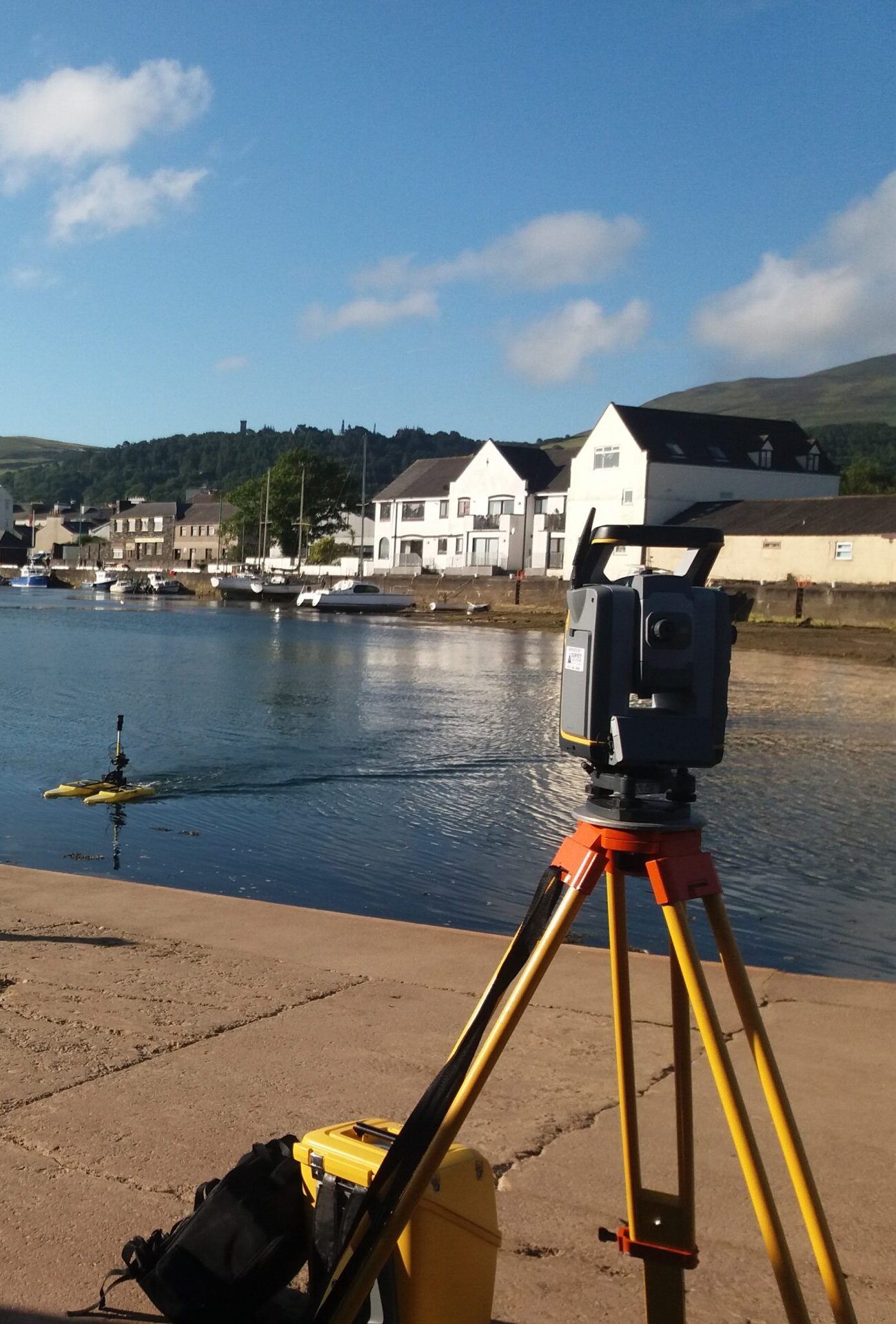
Storm Geomatics is a surveying contractor and one of our key partners. Storm’s Managing Director and co-founder, Mike Hopkins, began exploring the company’s environmental impact after conversations with JBA.
This led Mike to explore biodiversity, greenhouse gas emissions and the wider implications of climate change. For Mike, the biggest challenge was knowing where to start. Mike's experience reflects a challenge many businesses face. Carbon accounting can initially feel overwhelming, particularly when a business begins looking beyond the emissions it directly controls.
To navigate this process, Storm sought external support, used carbon calculators, and developed a more robust approach to measuring its emissions.
Mike’s experience highlights an important lesson: what matters most is getting started. Building an understanding of where emissions arise and establishing a baseline can be challenging, but it provides the foundation for improved data quality and decision-making over time.

Mike cites the replacement of Storm's IT servers as one example. By looking at the embodied carbon associated with different options, he identified a lower-carbon alternative, highlighting how better carbon information can influence everyday procurement decisions.
Storm's carbon footprint has also been independently verified to the ISO 14064 standard, providing greater confidence in the accuracy and credibility of its reporting.
“When you have it independently verified, it gives you confidence in the work you are doing; it also gives you confidence that you’ve got a report that isn’t putting out false information.”
- Mike Hopkins
Supporting our suppliers to act
Through our Supplier Engagement Programme, we are working with partners and suppliers to better understand their emissions. We encourage suppliers to begin monitoring and measuring their emissions, and, where appropriate, support them in developing their own science-based net zero targets. While every organisation is at a different stage in its journey, we aim to help suppliers build the knowledge and capacity to achieve their goals.
We have already achieved around 50% coverage of our subcontractor emissions through this engagement, providing a stronger understanding of our supply chain footprint and creating opportunities to work collaboratively towards further reductions. It also enables us to recognise suppliers that are actively demonstrating progress in this area through our supplier assessment process. This approach will help improve the quality of our emissions reporting in the future and encourage a wider shift towards carbon reduction throughout our supply chain.
Collaborating across our supply chain to accelerate net zero
Our ambition to reduce greenhouse gas emissions by at least 90% by 2040 cannot be achieved by working in isolation. As the majority of JBA Group's emissions sit within our supply chain, our suppliers' actions directly contribute to our progress, and the benefit goes far beyond our carbon footprint.
When suppliers measure their emissions, develop reduction plans and make lower-carbon choices, the benefits extend beyond JBA. These actions can influence their own customers and suppliers to create a much wider ripple effect towards net zero. By working collaboratively with our suppliers and partners, sharing knowledge, and encouraging positive change, we can help accelerate the transition to a more sustainable and resilient future.
If you would like further information on how we can support your journey to net zero, contact Jamie McKittrick, our Group Sustainability Lead