Rethinking resilience in the uplands: Lessons from the Lake District
How can upland landscapes adapt to a changing climate while continuing to support the communities, livelihoods and heritage that define them? Drawing on our recent work in the Lake District and the findings of Dr Hilary Cottam’s Uplands Review, we explore why resilience depends on taking a whole-system, place-based approach. Read on to find out more.

Dr Hilary Cottam’s recent Uplands Review highlighted the complex pressures the uplands are facing. Based on extensive engagement with communities, farmers and stakeholders, the review argues that upland areas are not just landscapes to be managed, but interconnected systems of people, culture, economy and environment. It calls for a decisive shift away from top‑down, fragmented policy towards approaches that are led locally and rooted in place, such as localism.
This framing resonates strongly with work we have recently completed in the Lake District, where we supported the Lake District Foundation and its partners, through the Heritage, Environment and Resilience Together (HEART) Programme, to understand how climate change could affect the World Heritage Site, and what that means in practice for those who live, work and care for it.
The outcomes from our work were closely aligned with what emerged a week later in the Uplands Review: climate resilience in the uplands is not just about managing environmental change, it’s about supporting whole systems to adapt together.
Seeing climate change differently
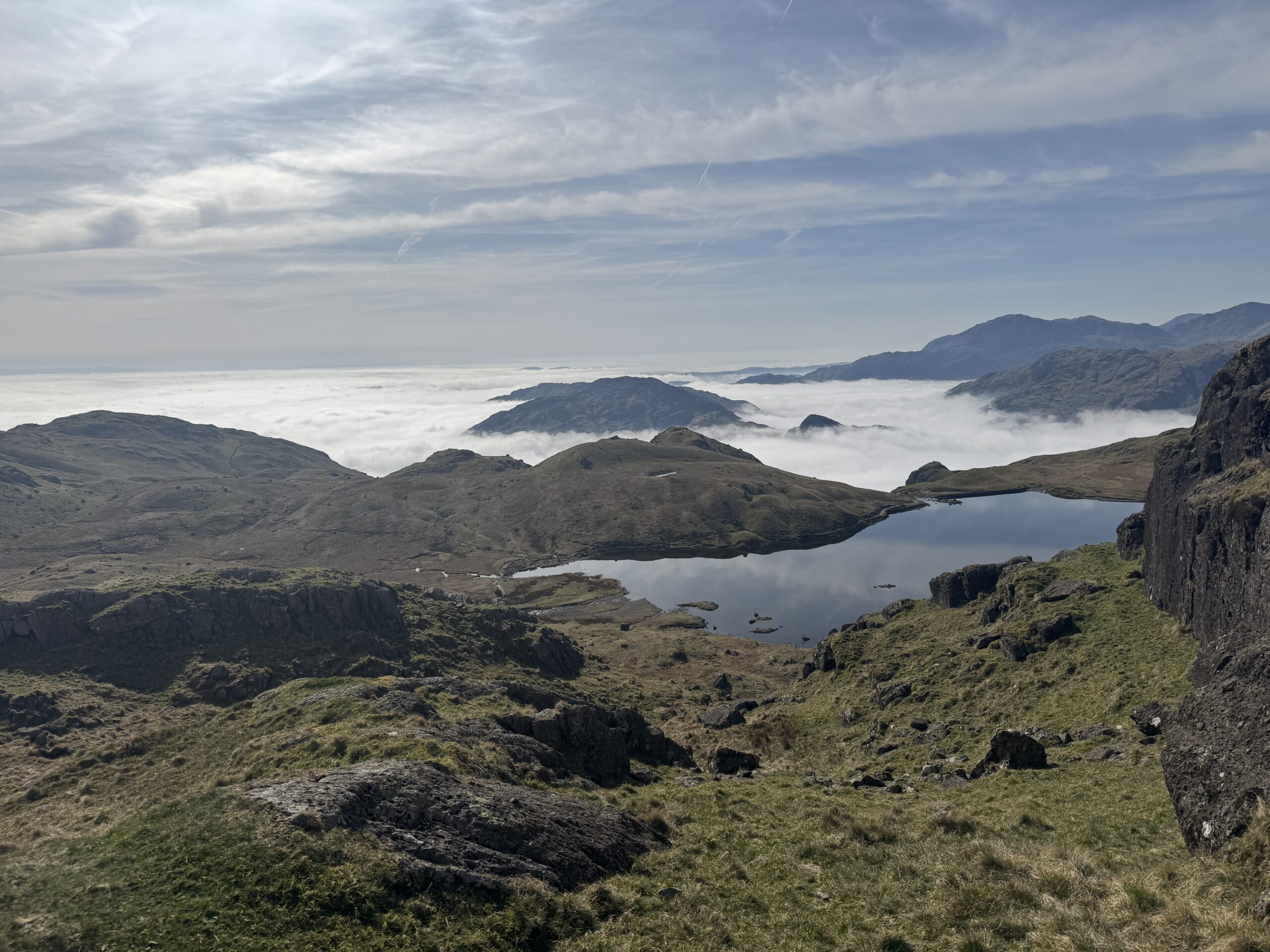
The Lake District is often seen through the lens of its scenery and visitor appeal: fells, lakes, valleys and views that are internationally recognised. However, its value sits just as much in the relationships between land and people: grazing systems, commoning traditions, the patterns of fields and walls, and the cultural responses that have shaped how we understand landscape itself. These relationships were central to the National Park ultimately becoming a World Heritage Site.
Our role was to explore how climate change might affect these elements. Initially, the intention was to approach this conventionally, using spatial analysis and climate projections to quantify risks. However, it quickly became clear that this would only tell part of the story.

Many of the things that make the Lake District special, such as tranquillity, the “spirit of place”, or long‑established farming practices, are not easily captured through data alone. Representing them spatially risks reducing them to something simpler than they really are. Instead, we stepped back and focused on a more practical question: what are the real‑world changes people are already seeing, and how might these affect the landscape over time?
This led to a different kind of assessment, one that explains climate risks in plain terms, grounded in experience, and directly linked to how the landscape is managed and lived in.
Alongside this we also drew together examples of work already underway across the Lakes and in comparable upland landscapes, creating a best practice catalogue of projects addressing climate, nature and community challenges in an integrated way. This helped to ground the assessment in real-world delivery, moving the conversation beyond identifying risks towards understanding what is already working in practice.
A landscape of interdependencies
One of the clearest insights from the assessment is that climate impacts rarely sit in isolation. Drying soils affect vegetation; vegetation affects grazing; grazing affects landscape character; and landscape character influences everything from biodiversity to visitor experience. Increased rainfall damages paths and walls, which in turn affects access, farming operations and the ability for people to experience the landscape. As with any working landscape, these are not discrete risks, but a web of interdependencies within a complex, interconnected system. These landscapes need to be managed to take these interdependencies into account, as explored by JBA’s Head of Environment and Sustainability, Matthew Hemsworth.
The Uplands Review describes something very similar, noting that environmental, economic and social systems in the uplands are tightly bound together, and that tensions often arise when policies treat them separately.
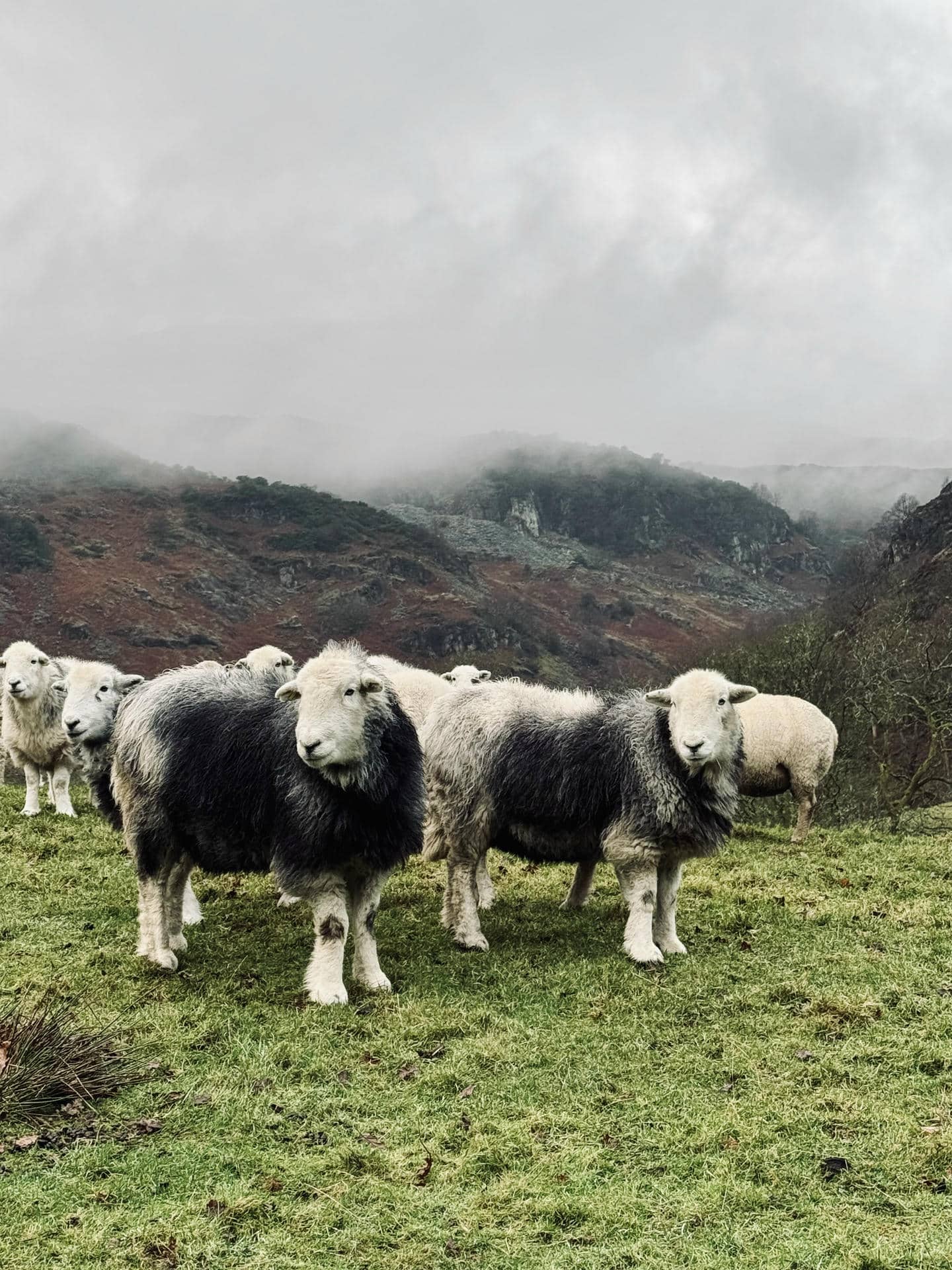
This is particularly evident in the relationship between farming and environmental policy. Both our work and the Review recognise the importance of nature recovery, but also highlight the risks of approaches that overlook the role of farmers as active managers of the landscape. When this balance is lost, the result can be conflict or unintended consequences, rather than resilience.
Climate change in a wider context
Another important theme is the way climate change interacts with existing pressures. In the Lake District, changes in weather patterns are occurring alongside long‑standing challenges: farm viability, skills shortages, housing affordability, infrastructure pressures, and visitor demand. These issues are not new, but climate change is accelerating and amplifying them.
The Uplands Review paints a similar picture, describing communities that are being squeezed by policy complexity, economic pressures and declining services, while also being asked to deliver on national ambitions for nature, carbon and food production.
Climate change is therefore not just an environmental issue. It is part of a broader set of overlapping challenges, a “polycrisis” as one attendee at the Lake District Foundation’s Shared Ground event in Langdale Valley described it, where we presented the findings of this work to partners at the end of March.
This has important implications for how adaptation is approached. Focusing on single issues in isolation will not succeed. Instead, there is a need to identify actions that deliver multiple benefits at once, for landscapes, communities and economies.
From risks to opportunities
Despite the challenges, this integrated view also opens up opportunities. Across the Lake District assessment, certain themes stand out where action could support multiple aspects of the landscape and its communities simultaneously. Strengthening key access routes not only improves visitor experience but also supports farming operations and reduces erosion. Managing vegetation can enhance biodiversity while maintaining the views and patterns that define the landscape. Catchment‑scale approaches to water management can reduce flood risk while restoring ecological function.
To support this, the project also explored a range of adaptation measures that could address these interconnected challenges practically, from land management and catchment-based approaches through to access, heritage and community-led interventions. By linking these actions to both identified risks and existing best practices, the work provides a clear starting point for partners to develop projects, test ideas and attract funding.
These kinds of interventions align closely with what the Uplands Review calls for: place‑based, collaborative approaches that recognise the full value of upland landscapes and the people who manage them.
Many of these approaches are already starting to emerge. Through the Heart of the Lakes programme and across Cumbria more widely, there are growing examples of farmer‑led initiatives, catchment partnerships and community projects that bring together different objectives in a practical way. The challenge now is not to start from scratch, but to scale up and connect what already works.
The role of people in shaping resilience
If there is one overarching message shared by both the Lake District work and the Uplands Review, it is the importance of people.
Resilience is not something that can be delivered solely through infrastructure or policy. It depends on knowledge, skills, relationships and trust, all of which are rooted locally.
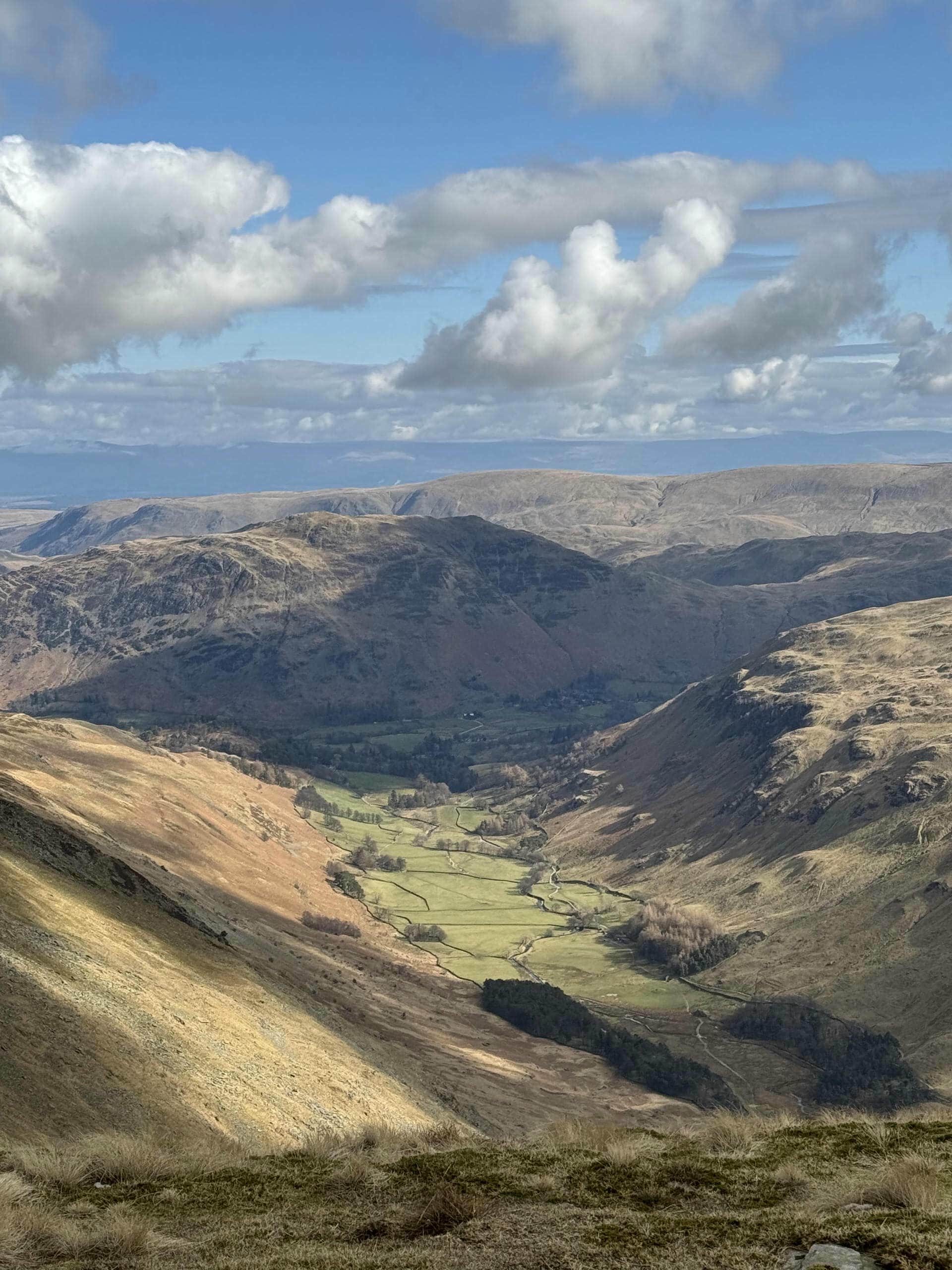
The Review argues that upland communities need to be empowered to shape their own futures, moving away from systems that feel imposed from above. This concept of co-designed, community-led climate resilience can be a valuable tool in engaging local people. In the Lake District, this is already visible in the way landscapes are managed day to day. Farmers, commoners, volunteers and local organisations all play a role in maintaining the features and practices that define the World Heritage Site. Any meaningful response to climate change needs to build on this foundation, not bypass it.
Looking ahead
The Lake District Climate Change Risk Assessment was designed as a starting point, bringing together evidence, experience and practical insight to support the next phase of action. With new place‑based initiatives emerging from the Uplands Review, including work in Cumbria, there is a real opportunity to translate these shared insights into practice.
What both pieces of work make clear is that the future of the uplands will not be defined by a single solution. Instead, it will depend on how well we can bring climate adaptation, nature recovery, farming and community resilience together. No small task, but this is where the greatest opportunity lies to achieve true resilience that allows communities and landscapes to thrive.

Contact Sian Selkirk for more information.