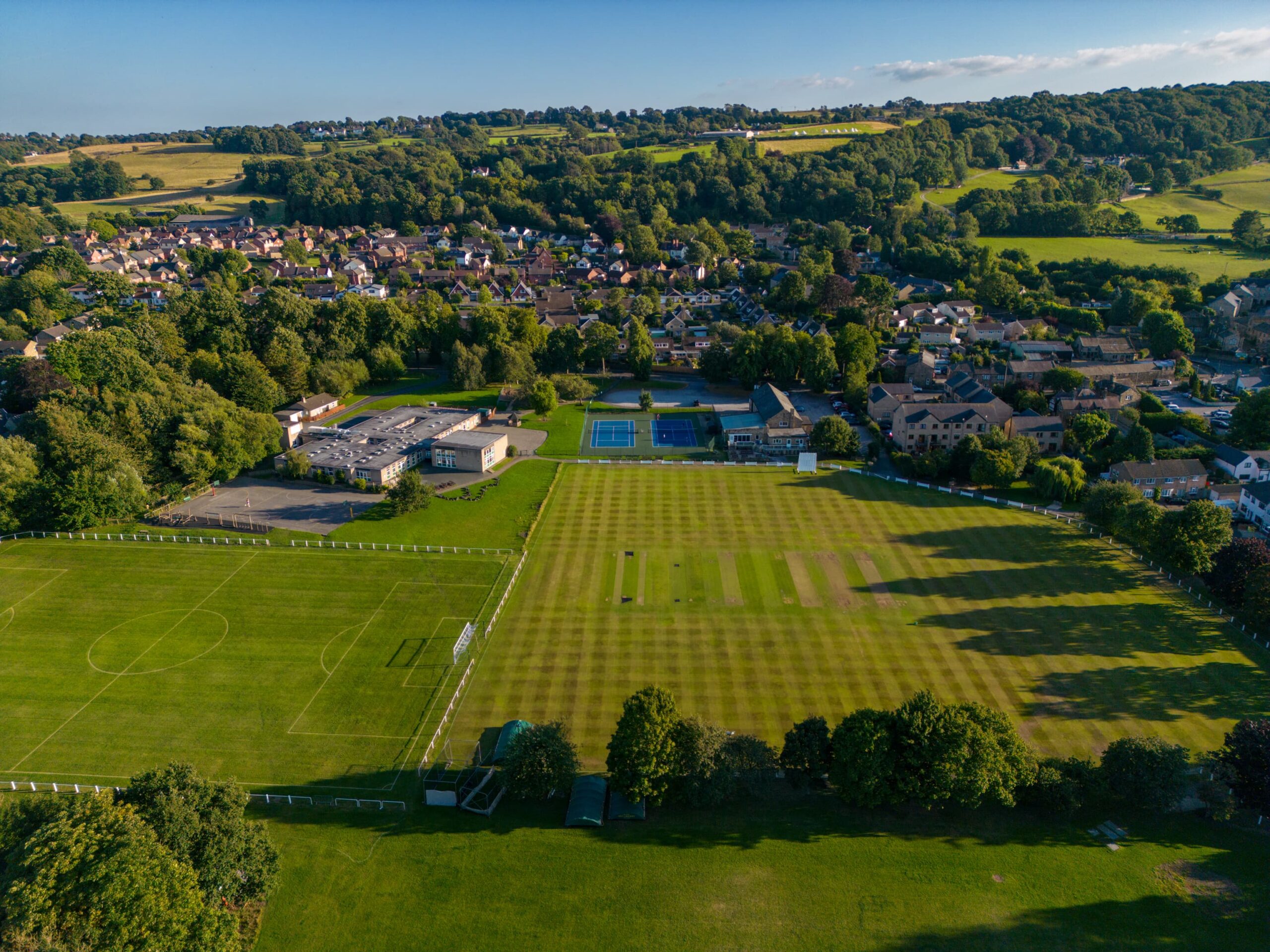
Can sport lead society's pursuit for resilience to climate change?
Sport is part of our identity and is integral to community life. From grassroots football matches and parkruns to events at community hubs, recreation centres and even stadiums – each year, sport and physical activity improves our health and wellbeing, and provides invaluable opportunities for connection. But how resilient is sport to our changing climate and what role can it play in helping to build more resilient communities?

As our climate changes, the way we participate in sport is being affected. Changing rainfall patterns, rising temperatures, poor air quality and more frequent extreme weather events are impacting how and when we're able to engage in physical activity.
In a recent Sport England survey, 60% of people stated that extreme weather is affecting their ability to be active, whilst a third of children felt they were unable to be as active as they wanted to be, due to extreme heat. This situation is likely to become more challenging. Adverse weather costs grassroots sport around £320 million each year through repairs, lost revenue and cancelled activity - a burden that is already being borne by clubs across the UK.
These disruptions play out differently across the seasons. As a result of warmer, wetter weather patterns, winter sports are increasingly disrupted. Pitch-based sports face ongoing issues with waterlogging due to persistent heavy rainfall. Whilst reduced and inconsistent snowfall means fewer locations can support recreational and professional participation in winter sports, with solutions such as the use of artificial snow bringing significant financial, environmental and resource costs. Meanwhile, summer sports face risks to health, performance and viability, as rising temperatures impact participant welfare, and drought reduces water availability for pitches and river-based activities.

Pitch-based sports are more likely to be affected by water-related hazards. In 2023, 120,000 grassroots football matches were cancelled due to flooding. By 2050, over a quarter of English football league grounds could be at risk of flooding.
Reframing resilience: sport as a catalyst
Across land and water, professional and grassroots, sport is entering a new era - one where climate mitigation, adaptation and ultimately resilience are no longer optional, but fundamental to keeping people active and the game in play. At JBA, we recognise that building resilience to climate change will happen at different spatial and governance scales and sport is uniquely positioned to drive this.
Delivering climate-ready infrastructure and enabling participation in sport for all should be the cornerstone of a place-based approach to building climate resilience. Sport builds personal and community resilience, supporting health and wellbeing through active lifestyles and bringing people together each week through clubs, teams and shared spaces. And it can, with the appropriate levers and incentives, build resilience by embedding Nature-based solutions (NbS), energy and water management and sustainable practices into the places where sport happens.
This place-based approach offers a powerful route to more climate-resilient societies.
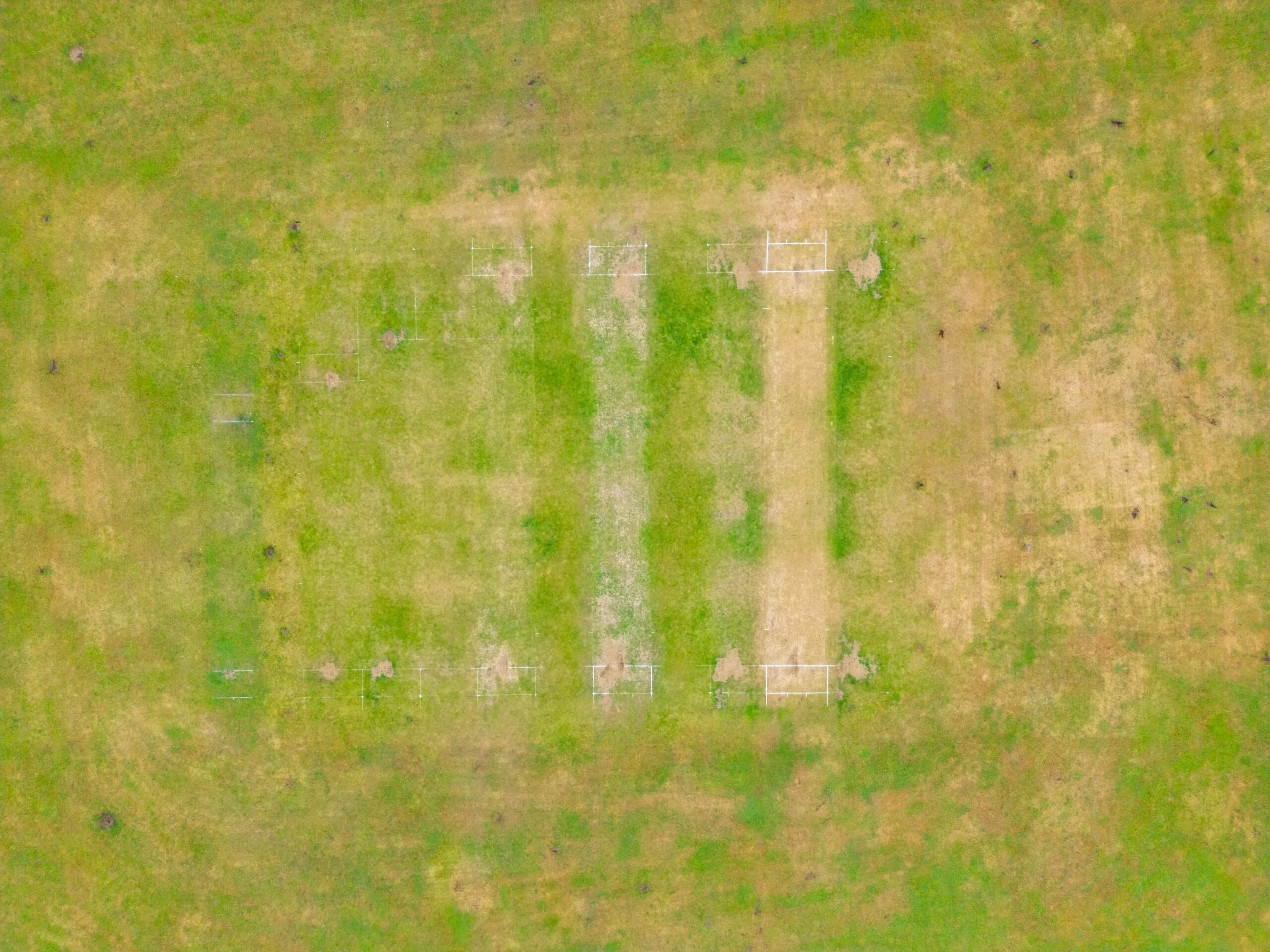

Exploring sport and climate resilience along the River Aire Valley
Having recognised the link between sport and climate resilience, we were keen to explore the opportunities this could present - starting on the banks of the River Aire at JBA Consulting's Saltaire office.
The River Aire is a defining feature of West Yorkshire, with the Aire Valley corridor supporting a population approaching one million people and intersecting the Pennine Gateway National Nature Reserve, a recently designated 1,000-hectare expanse of UK priority habitats, including peat bogs, heathlands and wetlands.
This area of West Yorkshire has a rich sporting heritage, with 6 in 10 residents regularly participating in sport and physical activity. This is reflected in the more than 4,100 sporting facilities in the region, 70% of which are outdoors. These host almost 2,500 sports clubs and organisations across football, rugby, tennis, cricket, rowing and boating, amongst others. Activity extends beyond team sports, with more than half of adults walking for leisure weekly, alongside 27 official parkrun events, which provide further accessible opportunities for physical activity.

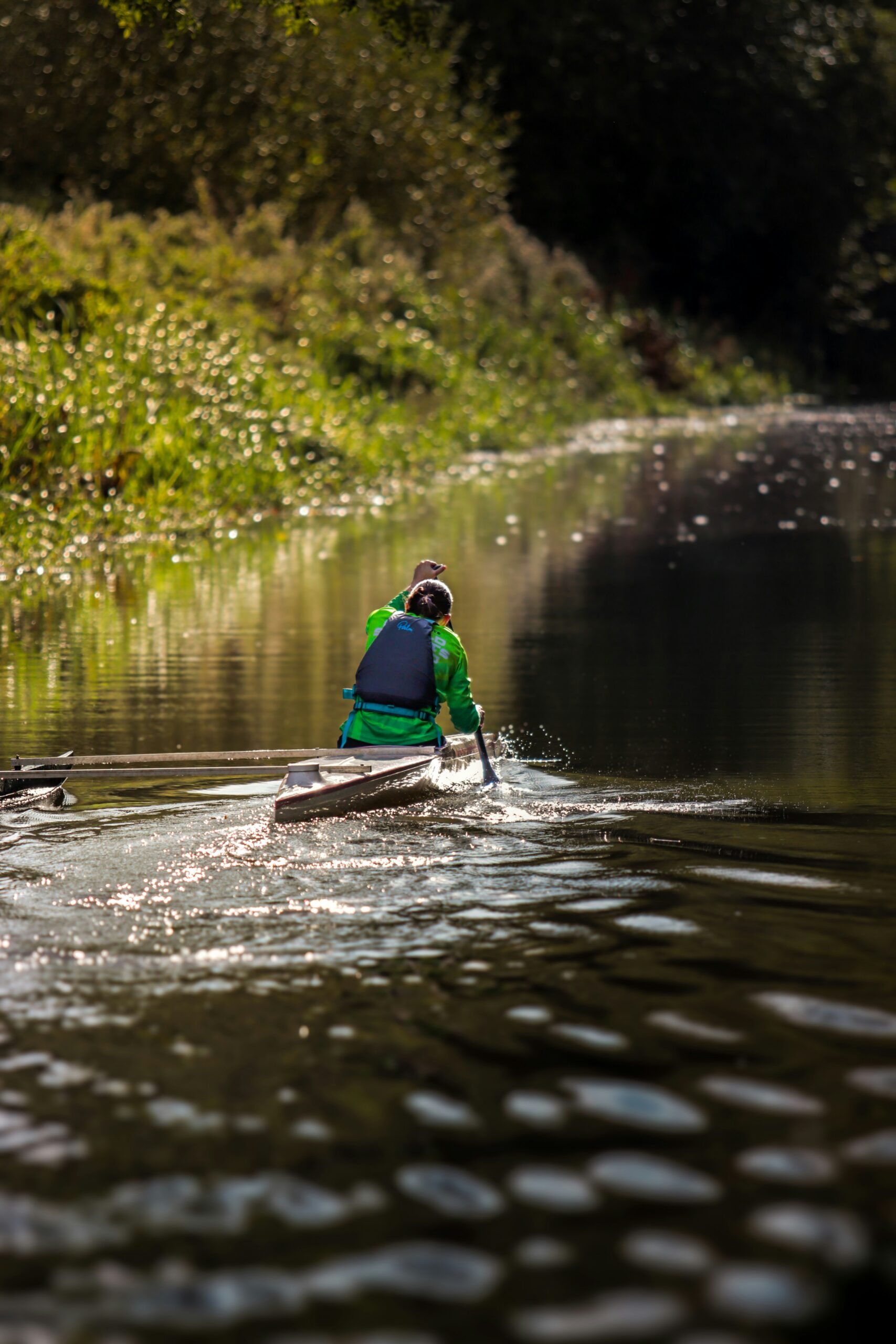

Playing Pitch strategies for the local authorities of Leeds and Bradford reflect the importance of outdoor facilities, consistently identifying grass pitches as the backbone of community sport. However, heavy reliance on outdoor infrastructure also increases vulnerability to climate-related impacts, particularly water-related hazards. And these strategies don’t currently consider the playability of sport assets in a changing climate.
With climate change in the River Aire Valley manifesting through an increased risk of severe, sustained rainfall, the threat of more frequent and damaging flooding is real. Under the conditions of a flood event with a 5% chance of occurring each year, almost a quarter of the 219 grass pitches along the River Aire Valley would be affected by flooding. Other climate hazards such as drought, chronic temperature rises and heatwaves are also compounding risk. Hence the need for integrated climate resilience to support sporting facilities in the region.

Based on our experience delivering NbS across the water environment, the opportunity for sport infrastructure to build resilience across the Aire Valley catchment is clear. NbS play a vital role in helping our catchments, rivers, estuaries, and coasts to become more resilient to the effects of climate change.
Sport and Natural Flood Management
Natural Flood Management (NFM) uses natural processes to reduce the risk of flooding. These processes protect, restore, and mimic the natural functions of catchments, floodplains and the coast to slow and store water, whilst also providing wider environmental and societal benefits such as: enhancing biodiversity, improving water quality and capturing carbon. This approach is something we're already using to support recreation, greener places and sports clubs. In the Yorkshire region alone, we've supported two football clubs to address drainage problems by quantifying flood risk and designing solutions to help manage winter flooding.
Meanwhile, at the University of Leeds, the West Yorkshire Flood Innovation Programme (WYFLIP) and partners are exploring the use of NbS to make sports grounds and surrounding areas more resilient to climate change. The project brings together expertise in climate science, flood resilience, environmental management, sports ground maintenance and sport in communities. This is used to identify locations and work with stakeholders to co-design and implement NbS to help make sports grounds and the communities that use them more climate resilient.
Safeguarding the playability of pitches while working with nature to manage flood risk is vital. There is a clear opportunity to scale up these interventions and explore the opportunities that sport facilities play for NFM at a catchment scale, now and in the future.
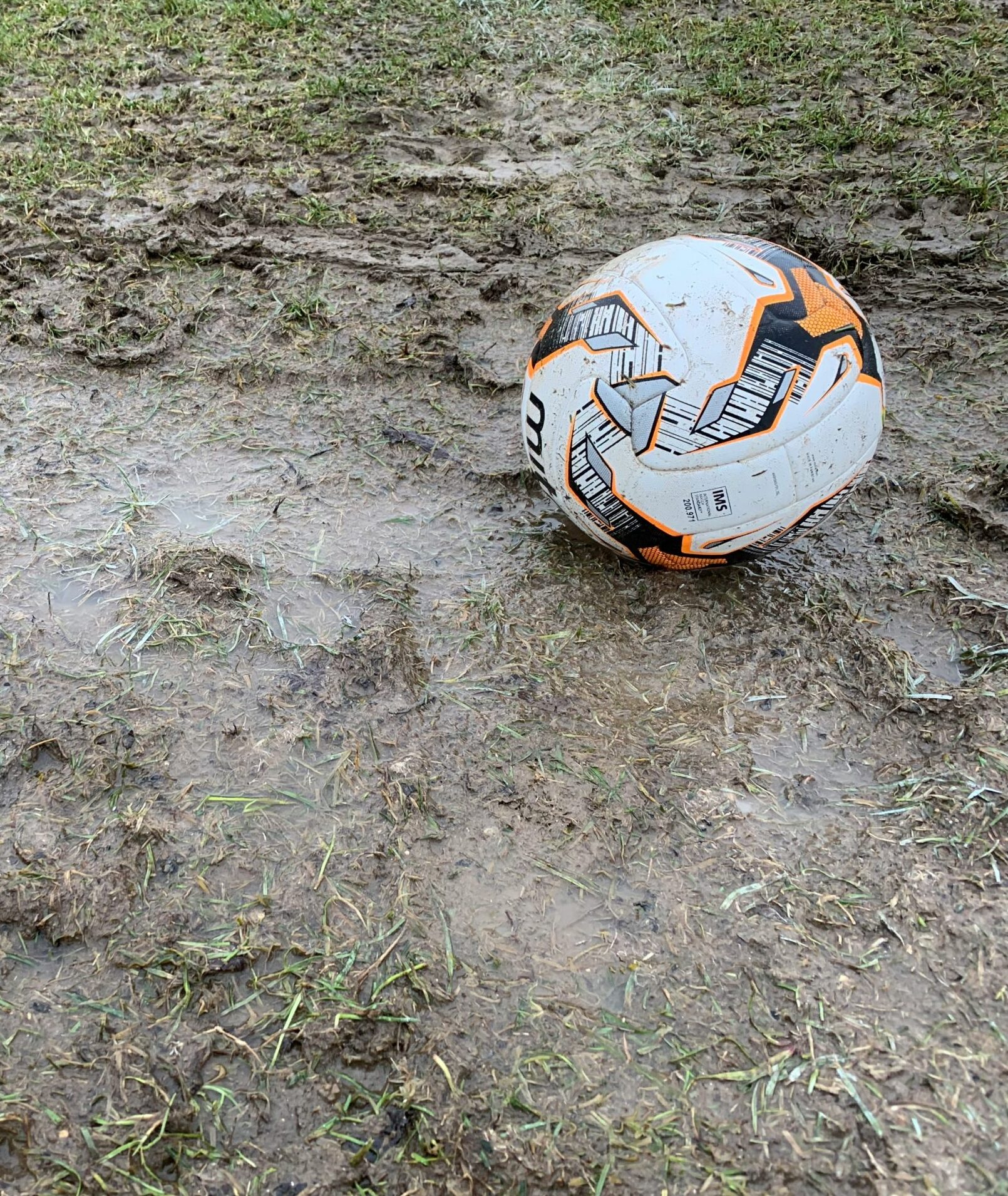

Sport and groundwater
Groundwater provides roughly one third of the UK’s public water supply and is vitally important for drought resilience by supporting rivers, lakes and wetland habitats in times of water stress. Improving groundwater recharge increases the storage of water in aquifers underground, which then slowly releases this water to surface water systems. NbS can be used to intervene in the water cycle and divert more water to recharge. Measures include subtle land use modifications to minimise evapotranspiration and runoff, soil improvements to improve infiltration, development of features to store runoff, and restoration of river corridors.
Along the River Aire corridor, there are numerous locations near sports pitches, parks and recreation grounds where these measures could be deployed. In an area of high recharge potential around Keighley alone, there are three parks and recreation grounds, a golf course, and three rugby and cricket clubs. All of which could offer opportunities for improving groundwater recharge.
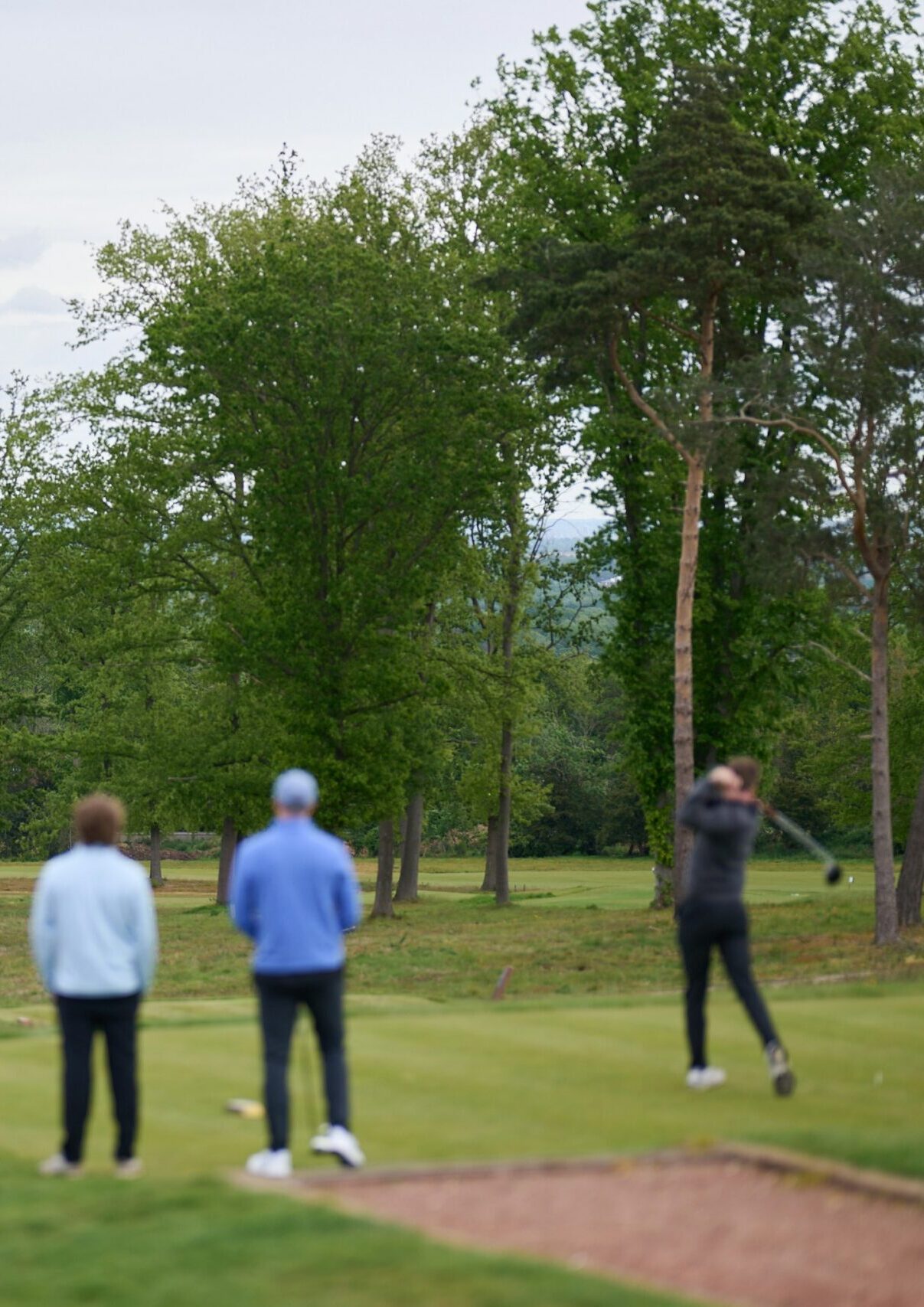
"Sports facilities can deliver more than just grounds to play sports on. Incorporating sustainable drainage systems within them can improve water quality and recharge the aquifer. Golf courses (for example) offer multiple opportunities for nature-based solutions for water resources through tree planting that could improve soil health and infiltration, to run off attenuation features and irrigation ponds that can trap winter run off for use in the summer. Drainage of sports facilities offers the opportunity to use that water in inventive and productive ways."
Alex Jones, Principal Hydrogeologist, JBA Consulting
Sport and resilient communities
Through our work with both the Canal & River Trust and Bradford City AFC, we've seen first-hand how sport and recreational activity can help to promote and support greater resilience.
Supporting the Canal & River Trust to better understand and respond to the climate risks facing its waterways, assets and operations, will help to protect the role canals and towpaths play in recreation, active travel, sport and wellbeing - whilst also supporting wider outcomes for water security, biodiversity and place-based adaptation. By taking a whole-system view of climate risk and adaptation, the work helps ensure these valued water-based environments can continue to support communities as the climate changes.
Whilst our engagement work with Bradford City AFC's Greener Bantams initiative shows how sports clubs can act as powerful catalysts for change. By working with the club and its community network, we’ve explored how sustainability can be embedded into matchday experiences and wider community activity. Using creative engagement techniques, we developed an understanding of fans’ matchday journeys and their connection with nature, creating visible links between sport, place and sustainability. This and other community initiatives highlight how clubs can extend their influence beyond the stadium. Sport can harness the power of community to build awareness, improve sustainability and enhance resilience.
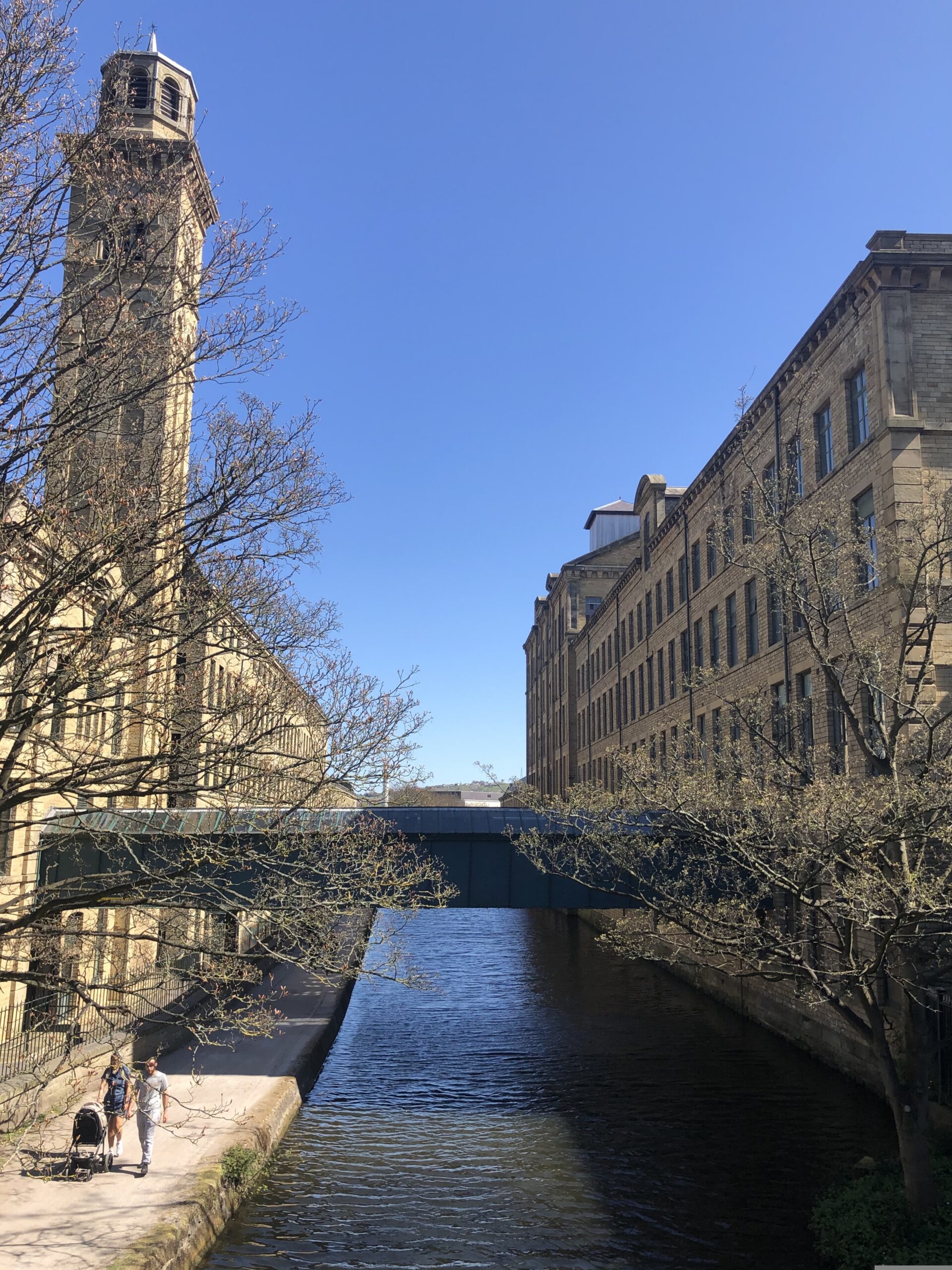

"Commuting along the Leeds Liverpool Canal each day, I see first-hand the physical and wellbeing benefits these waterways bring. It’s been a real privilege to apply that personal perspective through our work with the Canal & River Trust - helping to ensure these spaces can continue to deliver social, recreational and environmental benefits as the climate changes”
Ben Rabb, Technical Director, Climate Risk and Adaptation, JBA Consulting
In conclusion...
Sport offers a powerful lens through which to view climate change, not just as a risk to manage, but as an opportunity to shape more resilient systems and places. This calls for strategic investment in infrastructure that performs beyond its sporting function, contributing to flood management, water system resilience, nature recovery and connected communities. It also highlights the value of place-based and nature-led solutions, where sports pitches, parks and waterways become part of healthy environmental systems.
For sport governing bodies and infrastructure operators, it’s a chance to rethink the role that sport plays in society and a lens that may offer an opportunity to reframe existing challenges – particularly those relating to strategic investment and stakeholder engagement. For local authorities, it’s the chance to reconsider the role of council-owned and operated sports facilities and green spaces and move beyond a supply-demand balance approach to strategic planning to one that embeds sporting assets in wider nature and climate strategies.
Above all, sport’s reach into everyday life positions it as a uniquely effective way to engage communities in climate action, embedding resilience where we live, play and connect.
For more information about our work in this area, contact Principal Sustainability Consultant, Jody Harris.