How is asset management evolving to build resilient flood and coastal infrastructure for an uncertain future?
The UK’s flood and coastal infrastructure is entering a defining period. Climate volatility, ageing assets, constrained investment and rising public expectation are converging into a single strategic challenge – but how do we sustain resilient infrastructure systems in an increasingly uncertain world? Here we explore the changing face of asset management and how a modern approach can enable better decisions, greater resilience and long-term value.

What is modern asset management?
For many years, infrastructure management across the sector has understandably focused on maintenance, compliance and operational response. Whilst these remain essential disciplines, the scale, complexity and pace of change now facing infrastructure owners requires something broader and more mature. It requires asset management in its truest sense.
The Institute of Asset Management’s 'Anatomy of Asset Management' describes asset management as: "the coordinated set of activities through which an organisation realises value from its assets in the achievement of organisational objectives". This underlines the fact that asset management is not a department, a database or a maintenance function. It is a strategic organisational capability that aligns leadership, risk, investment, operations, people, information and long-term planning. Asset management is fundamentally about value. Organisations that treat it as a strategic capability are better able to justify investment, prioritise interventions, and respond to uncertainty.
A period of transition accelerated by new challenges
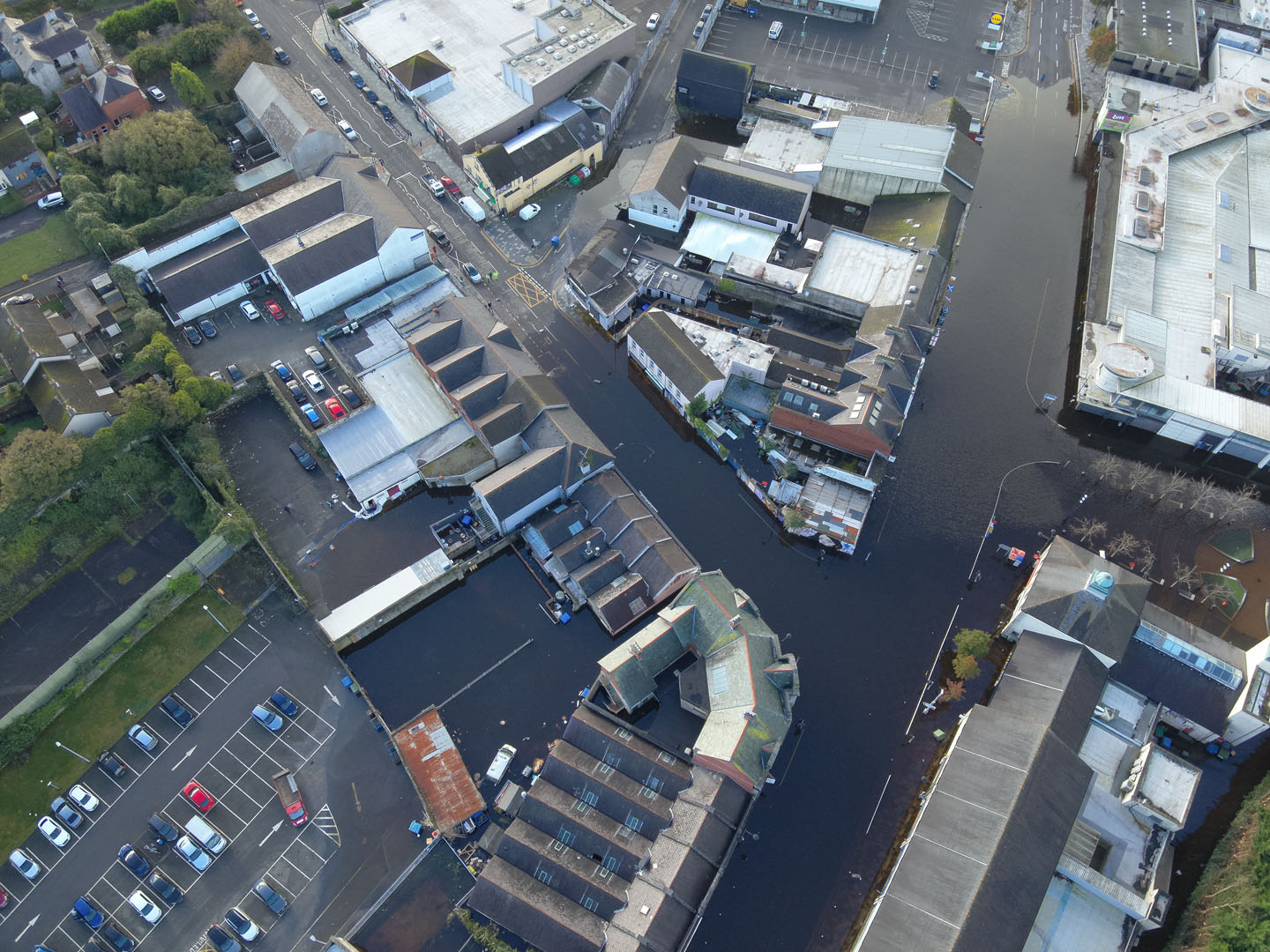
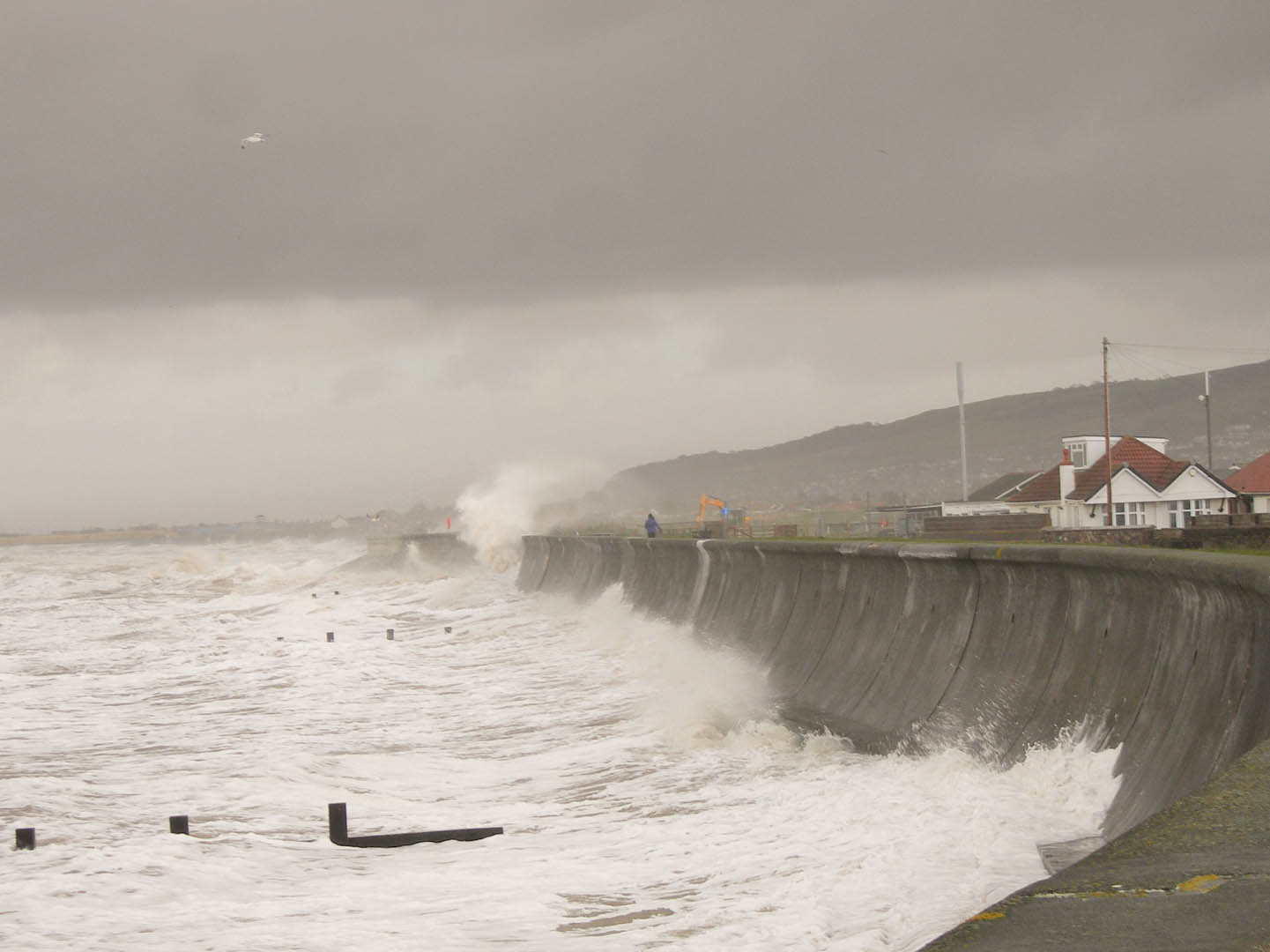
Flood and coastal assets do not exist in isolation. They sit within wider environmental, social and economic systems. Their purpose is not simply structural performance, but the protection of communities, infrastructure, businesses and ecosystems. As climate pressures intensify, the challenge is no longer solely about maintaining assets in their current form, but about understanding how infrastructure systems continue to perform, adapt and provide value over decades of uncertainty.
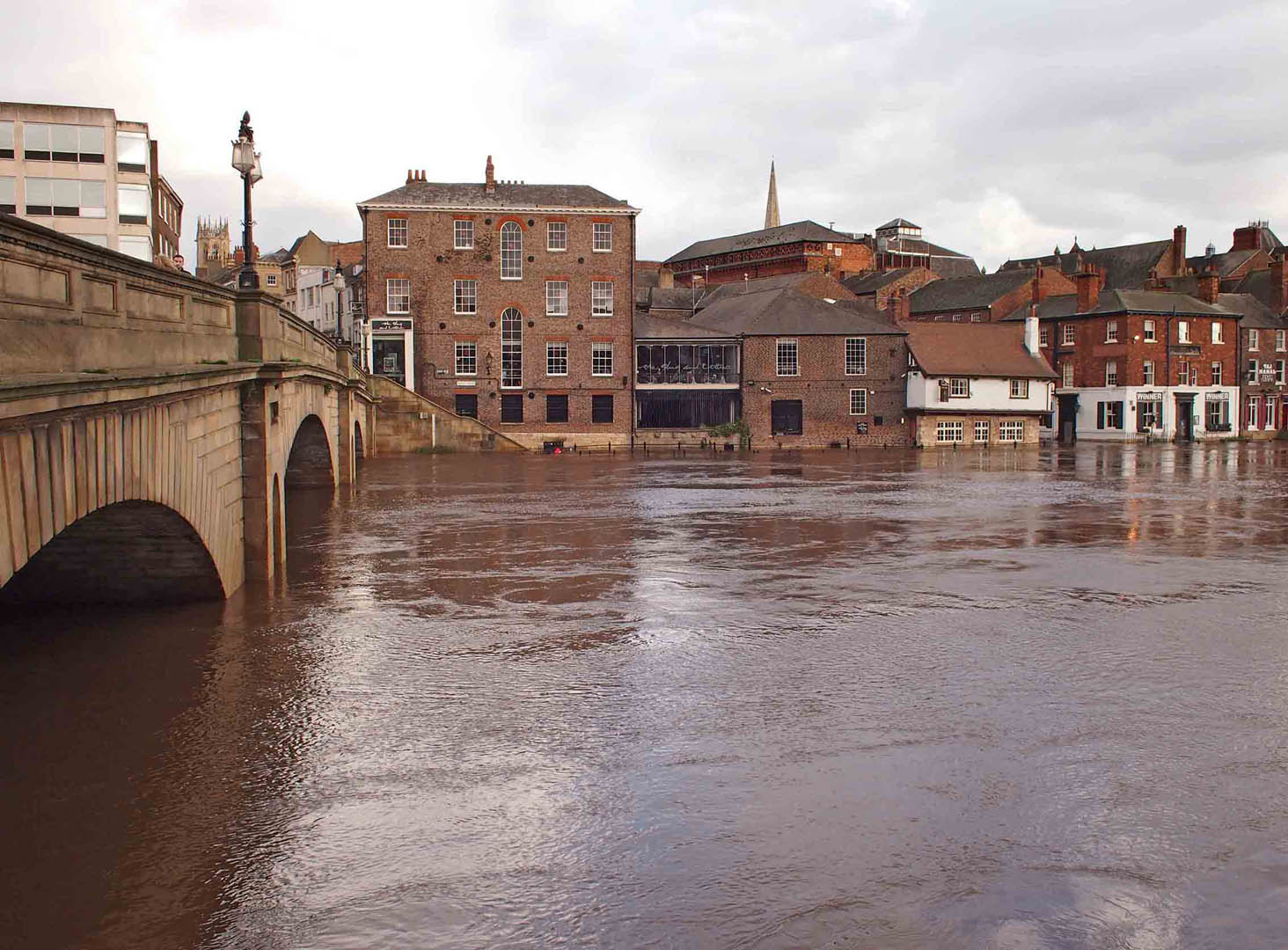
These challenges are becoming increasingly visible across the flood and coastal sector. Infrastructure owners are simultaneously managing ageing asset portfolios, increasing climate exposure, evolving regulatory expectations and mounting pressure to demonstrate value for money. As a result, traditional approaches consisting of fragmented datasets, reactive interventions and isolated asset-by-asset thinking are becoming harder to sustain. The sector is therefore entering a significant period of transition.

Integrating technology with engineering expertise and decision-making processes
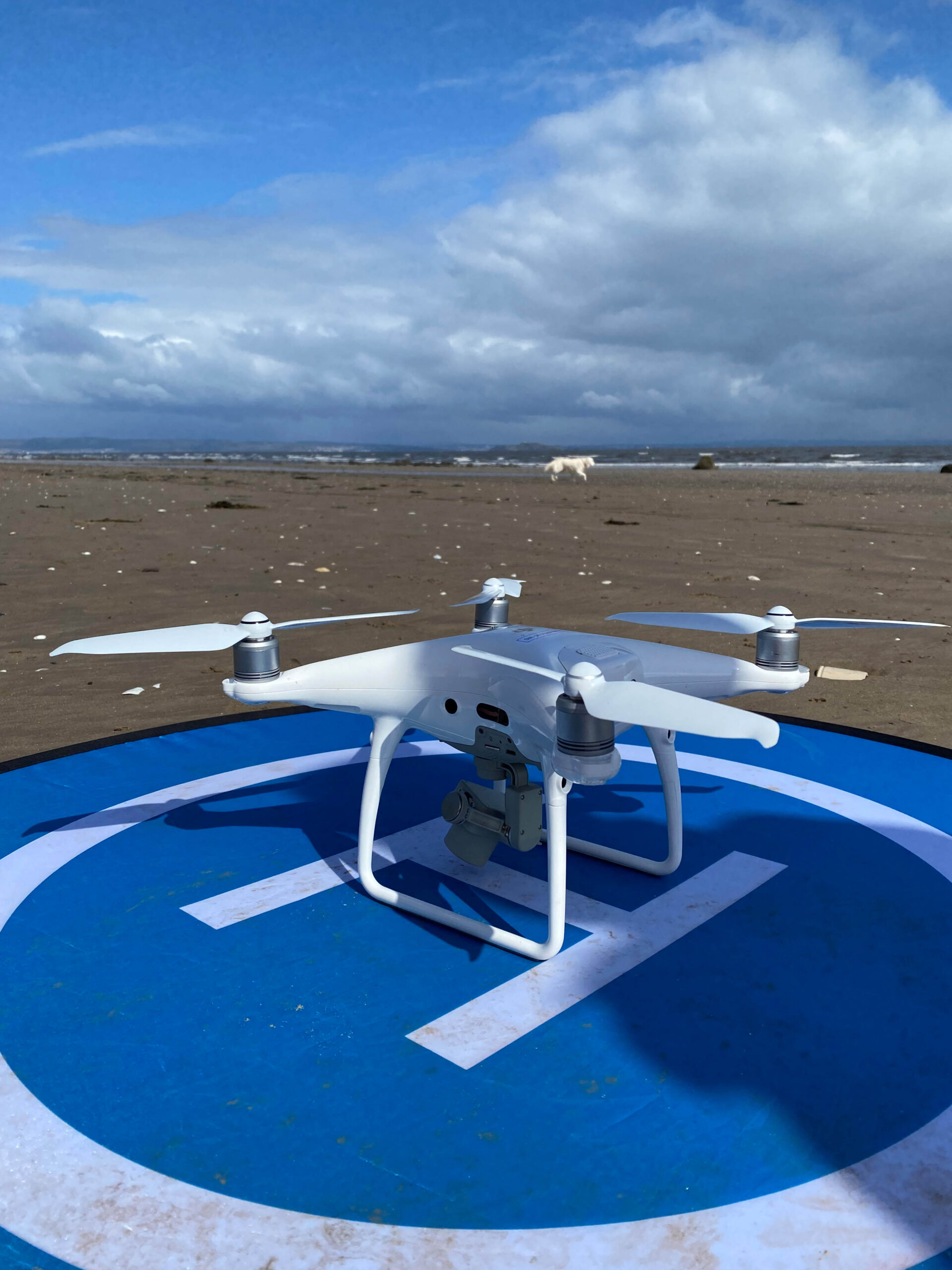
Predictably, technology is playing a key role in the evolution of asset management. Digital capability, analytics, monitoring technologies, and AI-enabled insight are beginning to reshape how infrastructure systems are understood and managed. Across the industry, organisations are moving towards more connected approaches that integrate operational data, inspections, telemetry, remote sensing, modelling, and engineering knowledge to provide a clearer understanding of asset performance and resilience.
Importantly, this is not technology for technology’s sake. We're increasingly seeing this shift supported by the use of more integrated digital tools and data-driven approaches. In our work, this includes developing asset health frameworks that move beyond visual condition, which, alongside these tools and approaches, provide a clearer picture of asset performance. The value is not in the tools themselves, but in how they enable earlier insight, more consistent decision-making and a stronger connection between evidence and investment.
The real opportunity here lies in improving organisational understanding. From our perspective, the organisations gaining most value are not those adopting the most technology, but those integrating that technology with engineering expertise and decision-making processes.
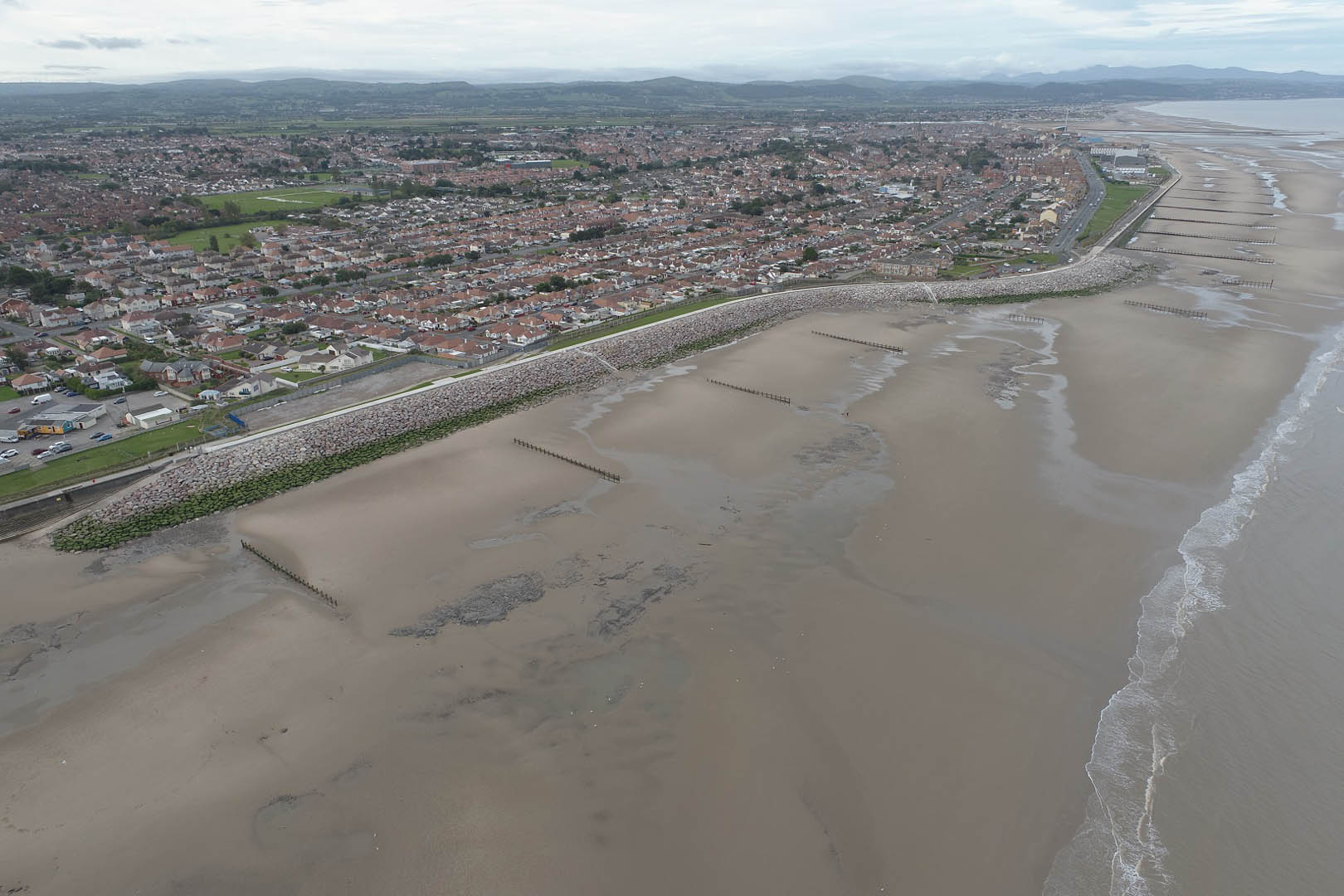
Why is understanding asset health central to future-ready infrastructure management?
Alongside the targeted use of technology, a more mature understanding of asset health is also central to the shift in approach. Moving beyond condition-based assessments towards integrated asset health frameworks, which combine condition, performance, consequence and rate of deterioration, provides a much stronger basis for intervention planning and long-term investment decisions.
Better visibility of asset health enables earlier intervention, stronger forecasting, more targeted investment and greater confidence in long-term planning. It allows organisations to move beyond static snapshots of condition towards a more dynamic understanding of deterioration, consequence and system performance under changing environmental stress.
For instance, through our work developing asset health approaches for flood and coastal infrastructure, we have seen how integrating inspection data, telemetry, and modelling can significantly improve the ability to forecast deterioration and failure risk. This is particularly important in the context of climate resilience.
Building resilience through culture, capability and consistent asset management practice
Climate resilience is often discussed in terms of new infrastructure, adaptation programmes or capital investment. Yet resilience is equally dependent on how existing assets are managed throughout their lifecycle. Resilience is not created at the point of investment. It is created continuously through the quality of day-to-day asset management decisions. In practice, we see this most clearly where asset information, monitoring and engineering judgement are consistently applied to decision-making.
The UK Infrastructure Strategy reinforces this direction - particularly its emphasis on long-term planning, data-driven decision-making and system resilience. In this environment, asset management becomes far more than an operational process. It becomes the mechanism through which organisations translate strategy into action.
The most mature organisations are already recognising this shift and are embedding asset management principles across leadership, governance, investment planning and operational delivery. They are strengthening the link between asset health, risk, resilience and expenditure decisions and developing more integrated evidence chains that connect field observations, operational insight, engineering assessment and strategic planning.
These organisations are typically characterised by clear asset management frameworks. With strong alignment between strategy and operations, and a deliberate investment in data quality and analytical capability. Equally importantly, they are recognising that resilience is not achieved through isolated activities or standalone technologies. It emerges from connected systems, informed leadership and organisational learning. We see this as much an organisational challenge as a technical one. This cultural shift may ultimately prove more significant than the technology itself.


Ahead of this year's Flood & Coast conference, we're convening our latest Climate Resilience Exchange, which will bring together national leaders to accelerate the delivery of the UK’s 10‑Year Infrastructure Strategy. Find out more here.
Looking to the future of infrastructure management
The future of infrastructure management will depend not only on better tools, but on the ability of organisations to integrate engineering, data, operational experience and strategic intent into a shared understanding of performance and risk across increasingly interconnected systems. Infrastructure can no longer be understood as discrete assets or even single networks; it must be managed as a system of systems, where the performance of flood and coastal assets is intrinsically linked to transport, water, energy and community systems. In this sense, digital capability and AI are not replacing engineering judgement; they are strengthening the ability of organisations to apply that judgement consistently, transparently and at scale, enabling better insight into system-wide behaviours, dependencies and cascading risks. The flood and coastal sector now has a significant opportunity to lead in this space.
Across government, regulators, infrastructure owners and supply chains, there is increasing recognition that resilience, investment and sustainability challenges cannot be addressed through traditional silos. Addressing them requires collaboration across disciplines and organisations, shared learning and a willingness to evolve how infrastructure systems are understood and managed.
Ultimately, the future resilience of the UK’s flood and coastal infrastructure will not be defined solely by the assets we build. It will be shaped by the quality of the decisions we make about the assets we already have, the organisational maturity we develop around them and our collective ability to collaborate and adapt in the face of increasing uncertainty.
That is the real role of modern asset management - not simply to manage assets, but to enable better holistic decisions, stronger resilience and long-term value in an increasingly interconnected world.
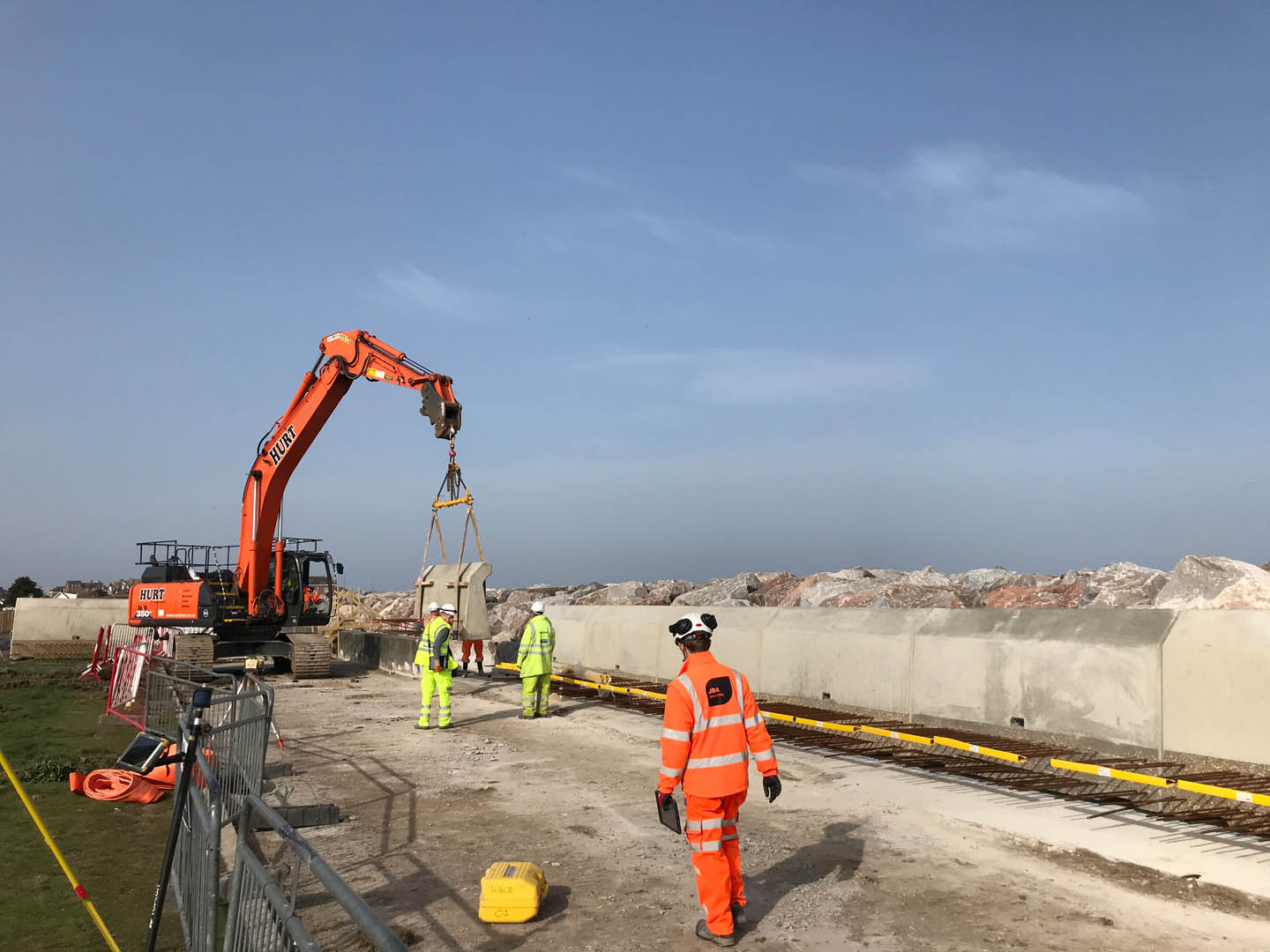
Join us at Flood & Coast to find out more
This year's Flood & Coast provides an important platform to collaborate, share learning and come together to shape the future of flood and coastal infrastructure.
Our Industry-Led Session 'The Changing face of asset management and the next generation of tools', on Tuesday 9 June, delivered in collaboration with the Environment Agency, will see JBA's Head of Asset Management, Richard Chubb, and Technical Director, Alec Dane, explore how the approaches we've highlighted are being applied in practice. We'll also examine the practical challenges organisations face when implementing these approaches, providing attendees with a clear understanding of how improved asset intelligence and approaches can support better investment decisions and strengthen long‑term flood and coastal risk management.
To find out more about the session, click here.