Flood resilience in schools: Lessons from Staffordshire and Leicestershire
Approximately half of all primary and secondary schools in England are at risk of flooding. With this number expected to rise due to the impacts of climate change, we partnered with De Montfort University, Loughborough University, Staffordshire and Leicestershire County Councils to research how schools can become more resilient to flooding. Read on to discover our findings.

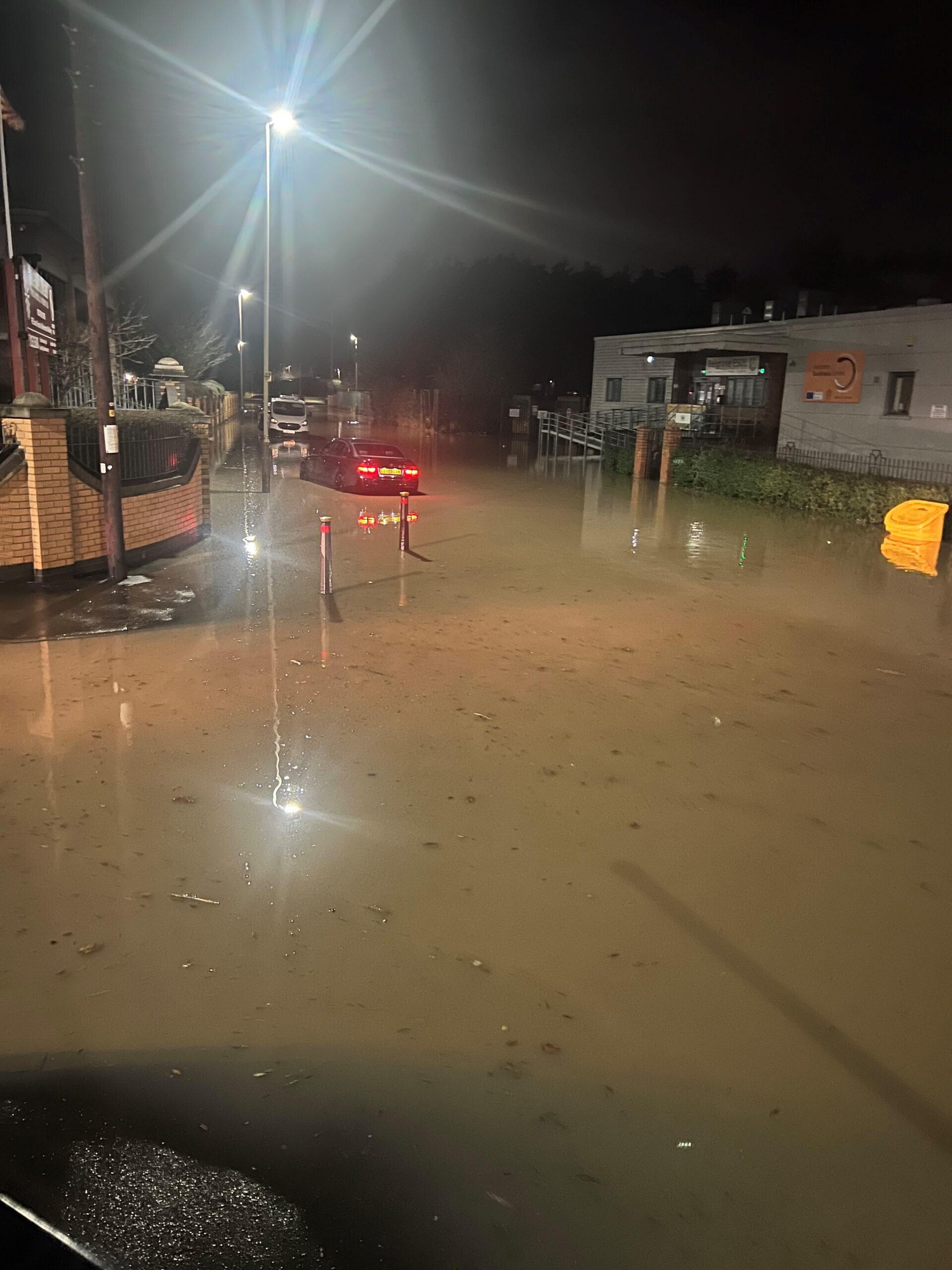
When schools flood, the impacts ripple far beyond the classroom. Education is interrupted, resources are damaged, families may struggle with childcare, school staff experience additional strain to maintain continuity of learning whilst managing the after-effects, and local economies feel the strain. Recognising this challenge, we partnered with De Montfort University, Loughborough University, Staffordshire and Leicestershire County Councils to research how schools can become more resilient to flooding. Funded by the Trent Regional Flood and Coastal Committee (RFCC) Innovation Subgroup, the research, Towards a Resilience Innovation Blueprint for Flood Affected Schools in the UK, set out to understand what works, what doesn't, and what needs to change.
Why was this research needed?
In recent years, there have been instances of children in England having to evacuate schools due to a lack of flood warnings and appropriate response planning. So, flooding in schools is not just a facilities issue; it’s a genuine safeguarding concern.
Yet despite the scale of the risk, efforts to consistently enhance flood resilience in the education sector are patchy. Schools operate under tight budgets, governance responsibilities are fragmented, and many schools lack flood-specific emergency plans.
The aim of this project was clear: identify good practice, highlight barriers, and develop actionable recommendations to help schools improve awareness and prepare for, respond to, and recover from flooding whilst minimising disruption to learning.
Gary Aldred, Headteacher at Abbey Mead Primary Academy, one of the 8 flood-affected schools taking part in the research, commented, “As a headteacher, I see first-hand how flooding and years of underinvestment, both in school buildings and in wider flood control infrastructure, in our communities directly affect pupils’ learning and wellbeing. When classrooms close, or resources are damaged because surrounding areas cannot cope with heavy rainfall, it’s children who lose valuable learning time and staff who are stretched trying to maintain continuity." He added, "Strengthening flood resilience in schools and across local infrastructure is essential to protecting educational standards and outcomes today."
What we did
The research combined three evidence-gathering workstreams:
- Academic literature review: An examination of national and international best practice for building flood resilience in schools.
- Industry review: A review of the barriers and opportunities for implementing Sustainable Drainage Systems (SuDS) and Property Flood Resilience (PFR) measures in schools.
- School engagement: Eight flood-affected schools in Staffordshire and Leicestershire were visited, with interviews of headteachers and business managers capturing lived experiences and lessons learned.
These insights were organised into five key themes: funding and resources, governance and partnership, awareness and planning, adaptation and intervention, and stakeholder engagement.
-
Funding and resources

Schools face significant financial barriers. Although some have accessed grants like the Department for Education’s SuDS in Schools scheme, match-funding requirements have put these out of reach for some. Awareness of alternative funding sources is limited, and the true cost of flooding (including indirect impacts such as lost learning) is poorly understood.
-
Governance and partnership
Responsibility for flood resilience is fragmented. School leaders often don’t know who to turn to for support, and smaller academies have reported losing access to or contact with local authority maintenance teams post-academisation. Conversely, schools within Multi-Academy Trusts have benefited from pooled resources and shared strategies.
-
Awareness, training and planning
Flood risk awareness is rarely embedded in school culture. Most schools have generic emergency plans, not flood-specific ones. Few have signed up for Environment Agency flood alerts, and staff lack formal training. However, some schools have turned lived experience into learning opportunities, integrating flood resilience into the curriculum.
-
Adaptation and intervention
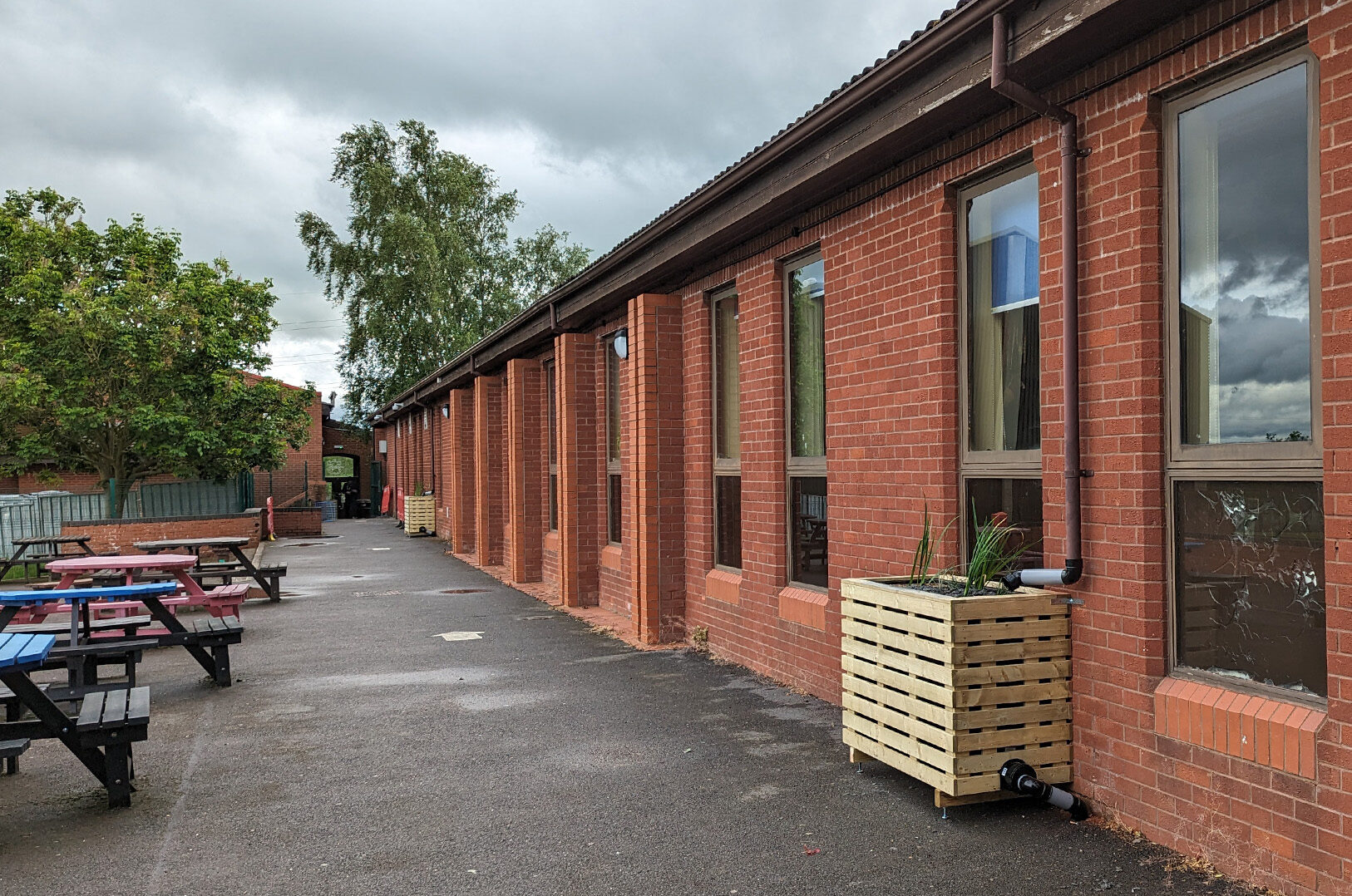
Despite funding challenges, several schools have installed SuDS features, upgraded drainage, and implemented PFR measures like flood barriers. These interventions work, but older schools with poor drainage and large impermeable surfaces remain vulnerable.
-
Stakeholder engagement
The research has shown that in respect of flooding schools outside large trusts often feel isolated. Engagement with external agencies is inconsistent, and flood planning is rarely integrated into broader climate strategies. Yet, schools have strong community networks that could be harnessed to build local resilience.

Click here to read the full research paper, Towards a Resilience Innovation Blueprint for Flood-Affected Schools in the UK, here.
Findings: A partnership approach to flood resilient schools
Recommendations
The report sets out 14 practical recommendations for policymakers, school leaders, and Risk Management Authorities. These include:
- Re-frame flooding as a safeguarding issue to elevate attention and resources.
- Improve funding access and awareness, and review match-funding requirements.
- Compel schools at risk to sign up for EA flood alerts and complete the Department for Education’s Flood Risk Checklist.
- Develop flood-specific response plans and CPD programmes for staff.
- Research permeable playground surfaces and create a blueprint for sharing effective interventions.
- Pilot local school flood resilience partnerships led by Lead Local Flood Authorities.
- Position schools as community resilience hubs, integrating flood planning into wider climate strategies.
Why this matters
Flood resilience in schools is about more than bricks and mortar; it’s about safeguarding children, protecting education, and strengthening communities. This timely, collaborative research provides a roadmap for building resilience that is practical, future-focused and built on effective partnership working.

Contact Climate Resilience Transformation Lead Phil Emonson for more information.