Timing and pressures on the water industry
The current drought has underscored both immediate and systemic challenges in water management across England and the wider UK, revealing vulnerabilities in supply systems, governance, and societal response.
The drought has hit at a moment when the water industry is already under scrutiny, amplifying existing strains. Public and political focus on affordability and limiting bill increases has historically constrained investment in resilience. As a result, society has often relied on “sticking plaster” solutions rather than structural and more strategic action. The event has shown that deferring major investment increases long-term risk and leaves systems fragile, adding weight to the need to deliver on the plans recently finalised by water companies.
Fragmented perception and response
A key issue is the lack of collective responsibility across society in tackling drought. Measures such as temporary use bans or water efficiency campaigns are often seen as reactive impositions rather than proactive, planned responses by the sector. This limits their effectiveness and undermines the public’s role in supporting resilience. In reality, these are proactive and planned responses, emphasising the importance of using water more efficiently.

Uneven impacts across regions and sectors
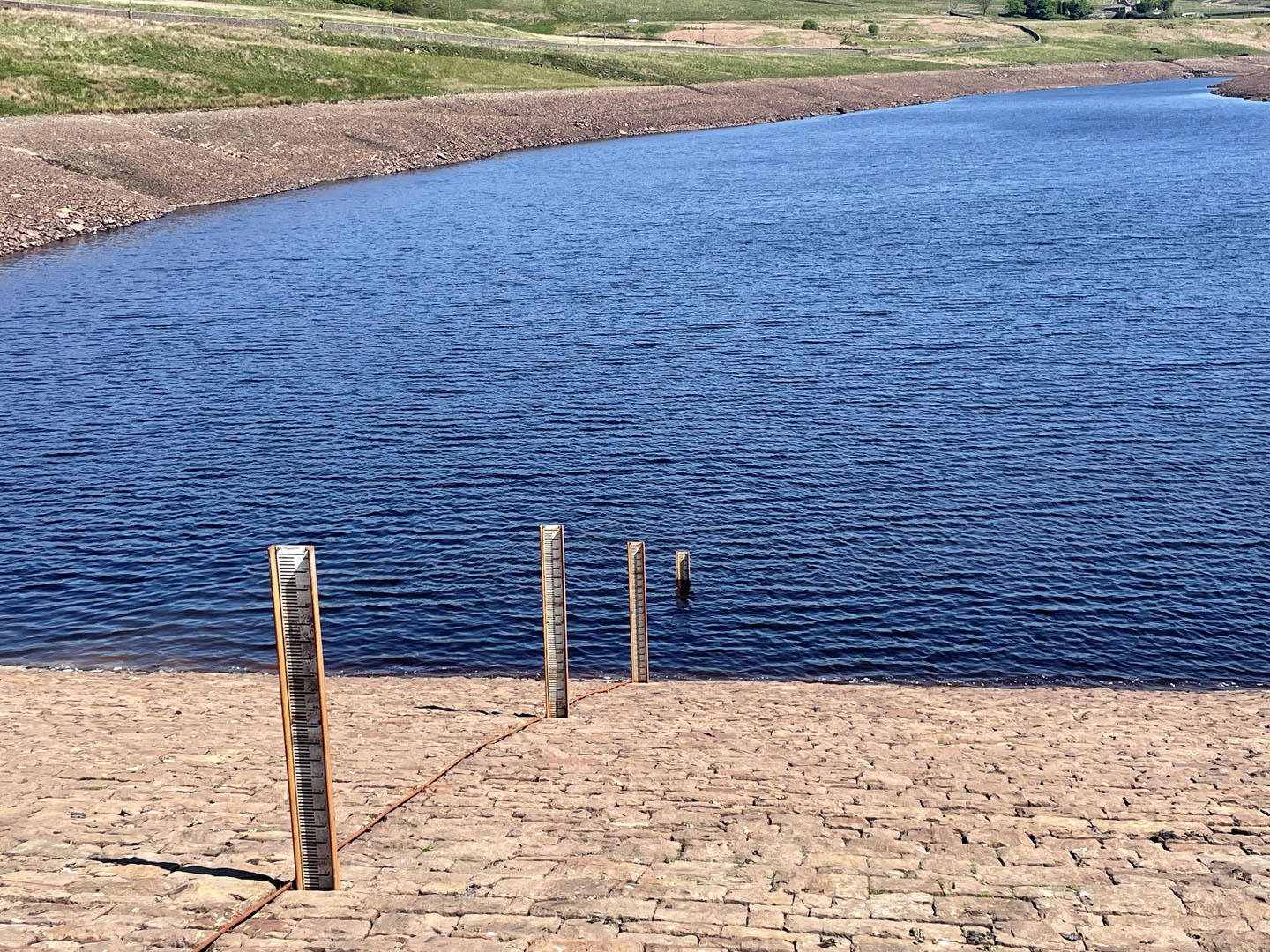
The drought has not been a singular, uniform event. Its effects have played out differently across companies, regions and sectors, reflecting the complexity of water resource management. Surface-water-dominated upland systems, such as those in Yorkshire and the North West, experienced stress earlier, while other areas faced challenges later. Beyond water companies, impacts have rippled into agriculture, navigation (with canals closing or restricted), and other industries. The complexity of water systems highlights the importance that regional planning groups are now taking during drought events, and they have begun to play a more active cross-sector facilitative role.
Exposed fragility of the system
The experience this year has accelerated recognition that resilience investment — once a marginal part of regulatory cycles — must now become central. The event has demonstrated the fragility of current approaches. With the regulatory system likely to evolve following the Cunliffe review, there are opportunities for further integration on planning for water across different scales, systems and cross sector.
Broader economic and environmental consequences
Drought has not only strained supply and the environment in the short-term, but we are already seeing water availability becoming a major blocker to economic growth. This extends beyond localised housing provision to strategic, nationally important areas such as achieving net-zero targets and supporting the growth of data centres, AI and emerging energy sources.
In short, the 2025 drought has transformed water scarcity from a background risk into a visible constraint on industry, society, and policy making. It has sharpened recognition that resilience investment, integrated water management, and proactive public engagement are essential for long-term water security.

For more information contact Steve Thompsett.