
Evidence based analysis to strengthen hydrology and meteorology early warning services in Niger
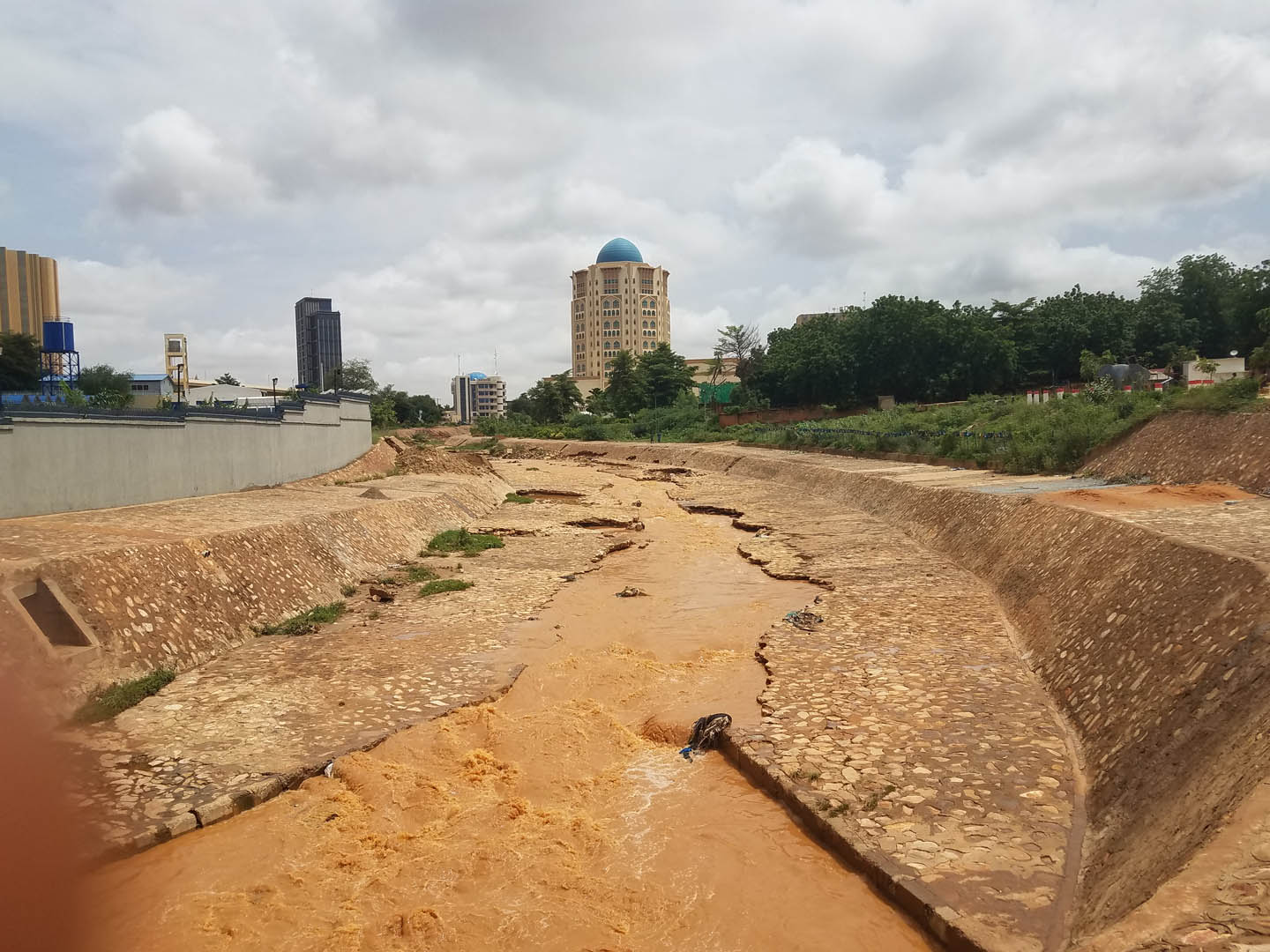
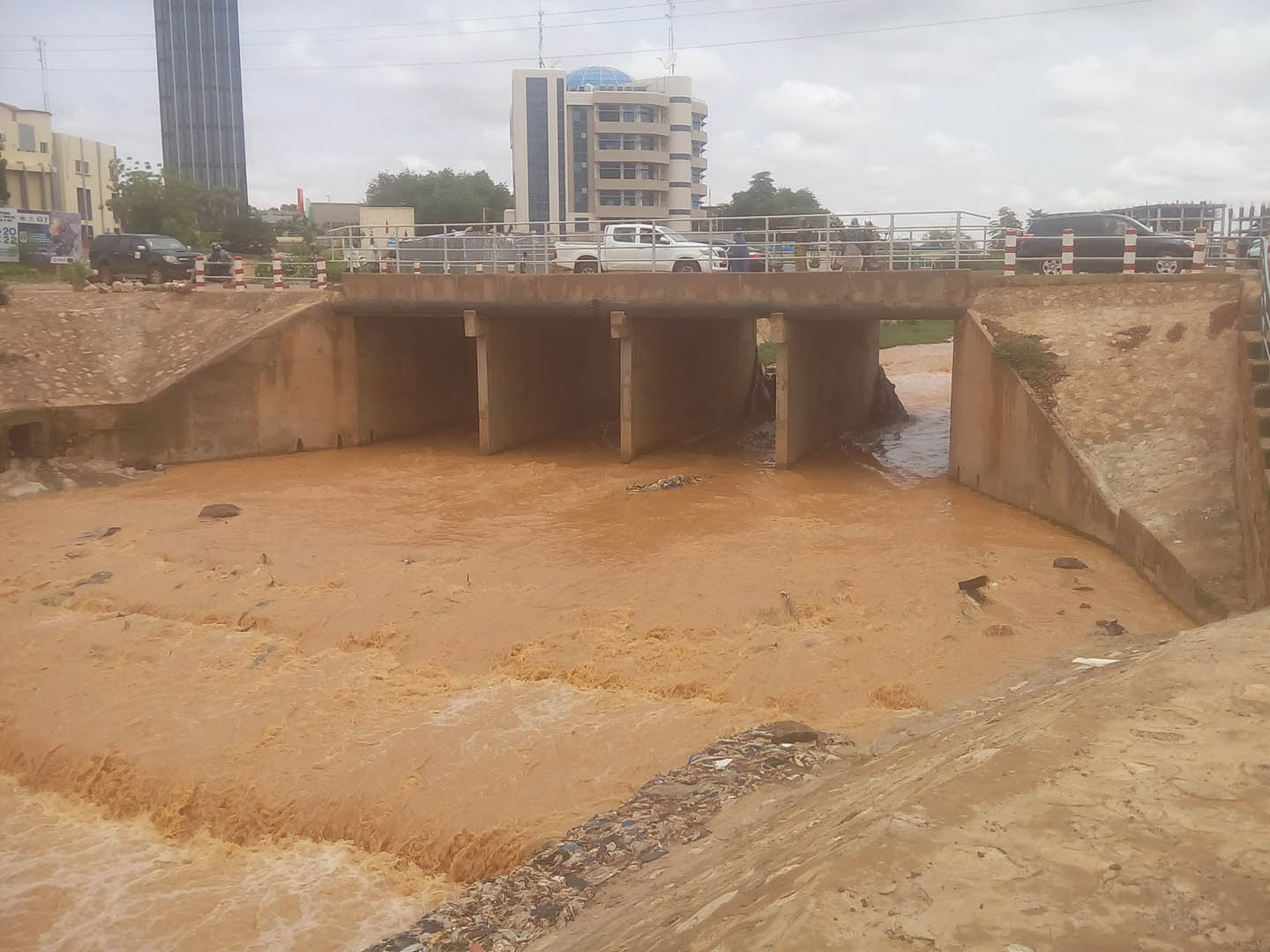
We have carried out an evidence-based analysis which can be used to strengthen and modernize Niger’s hydrology and meteorology (hydromet) and early warning services. This project has highlighted areas where improvements can be made in the ability to forecast and communicate climate hazards, especially flooding, facing Niger.
- Client World Bank
- Location Niger
- Wider
project
team Becky Venton Consulting, Landell Mills and local consultants - Services
Challenge
Our analysis involved identifying and assessing a broad spectrum of structural and organisational factors within the current hydromet services, including user needs, stakeholder involvement and sustainability goals.
Solution
We assembled a team with widespread experience in Niger, West Africa and worldwide, including in flood forecasting and warning, food security and gender issues. Our team comprised international experts in national hydromet service modernization, economic assessment, early warning system development, hydrometeorology and climate model science translation. This team worked in close partnership with stakeholder organisations in Niger to assess user needs for hydromet services and identify solutions for improved service delivery of hydromet services.
Benefit
This project has highlighted areas where improvements can be made in the ability to forecast and communicate climate hazards, especially flooding, facing Niger. It has also identified funding options for these improvements.
Alongside our collaboration with stakeholder organisations, this work is producing information to support the Niger: Strengthening Early Warning Services | CREWS (crews-initiative.org), a project aiming to enhance Niger’s food security early warning system, and establish a flood and extreme weather warning service focusing on urban areas and along Niger and Komadougou Rivers.

Contact Murray Dale for more information about our hydromet work in Niger. Discover more about our International Development work here.
Services

Delivering transformative technology that is pioneering in the pursuit of flood, water and environmental resilience.
 Find out more
Developing leading resilience strategies and solutions founded on the integrated modelling and assessment of water quantity, quality and environmental processes.
Find out more
Working within a robust and mature digital delivery environment, our engineering specialists work closely with our modelling, hydrology and environmental teams to ensure designs are developed to create efficient, low-carbon and sustainable solutions.
Find out more
Our specialists in landscape, heritage, ecology, fisheries, EIA, planning and sustainability all work collaboratively with our engineering designers, modellers and our project managers to develop resilient places.
Find out more
Our proven skills and experience make us a natural partner to help support communities and organisations to become more resilient. We support and empower our clients to manage the twin risks of flood and drought, encouraging and delivering effective water management.
Find out more
Working with communities across the world to identify and mitigate flood and environmental risks, support sustainable development and build resilience.
Find out more